Grand County expands adaptive bike access on Moab trails
More than 50 miles of Grand County trail now work for adaptive bikes, starting with Miner’s Loop and spreading through Klondike and Horsethief.
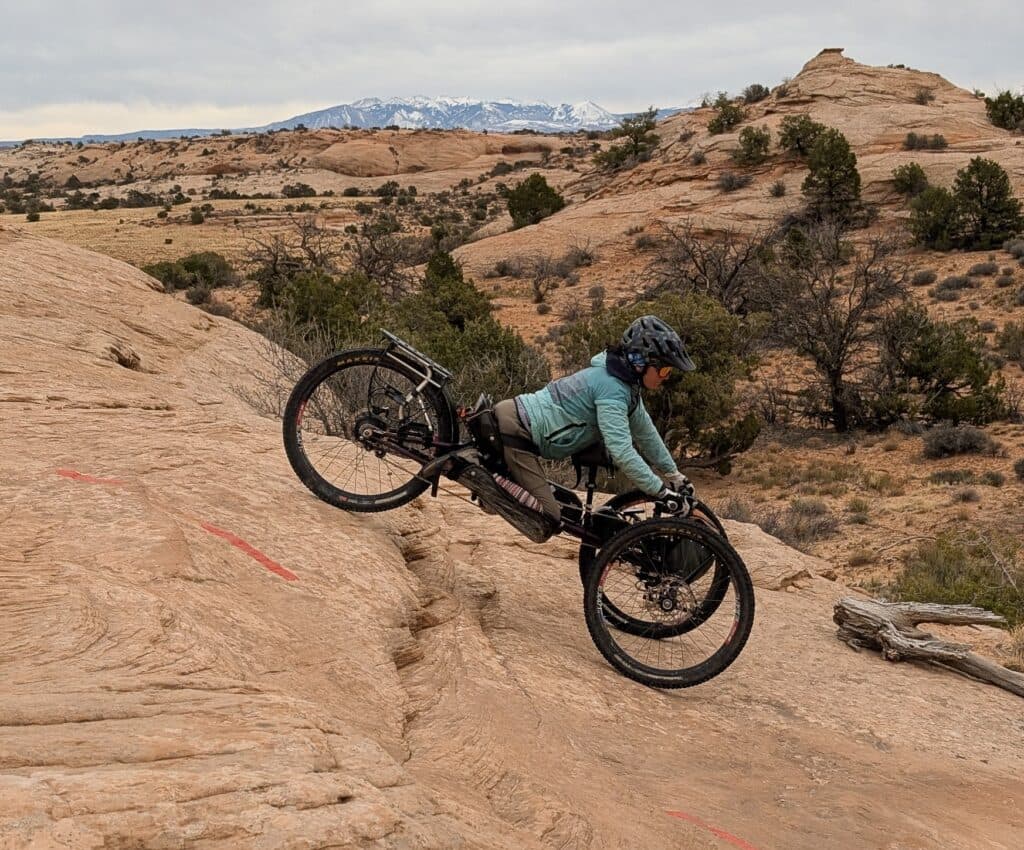
Grand County has turned a quiet access question into a real trailhead payoff: more than 50 miles of trail are now rideable for adaptive cyclists, with the work concentrated on routes that still feel like Moab, not a softened version of it. The effort has centered on keeping iconic singletrack challenging while making it physically usable for riders on wider, lower bikes that punish bad geometry and punish uncertainty even more.
The most telling example is Miner’s Loop at Klondike Bluffs, where Grand County Active Transportation and Trails began intentionally adapting routes in 2023. Since then, the county and the Bureau of Land Management Moab Field Office have modified dozens of miles, especially in the Horsethief and Klondike systems, where trail changes connect to accessible trailheads and to the ADA-compliant Horsethief group campground. That pairing matters: access is not just about the dirt under the tires, it is about whether the rider can get to the trail, park, camp and know the route will actually work.
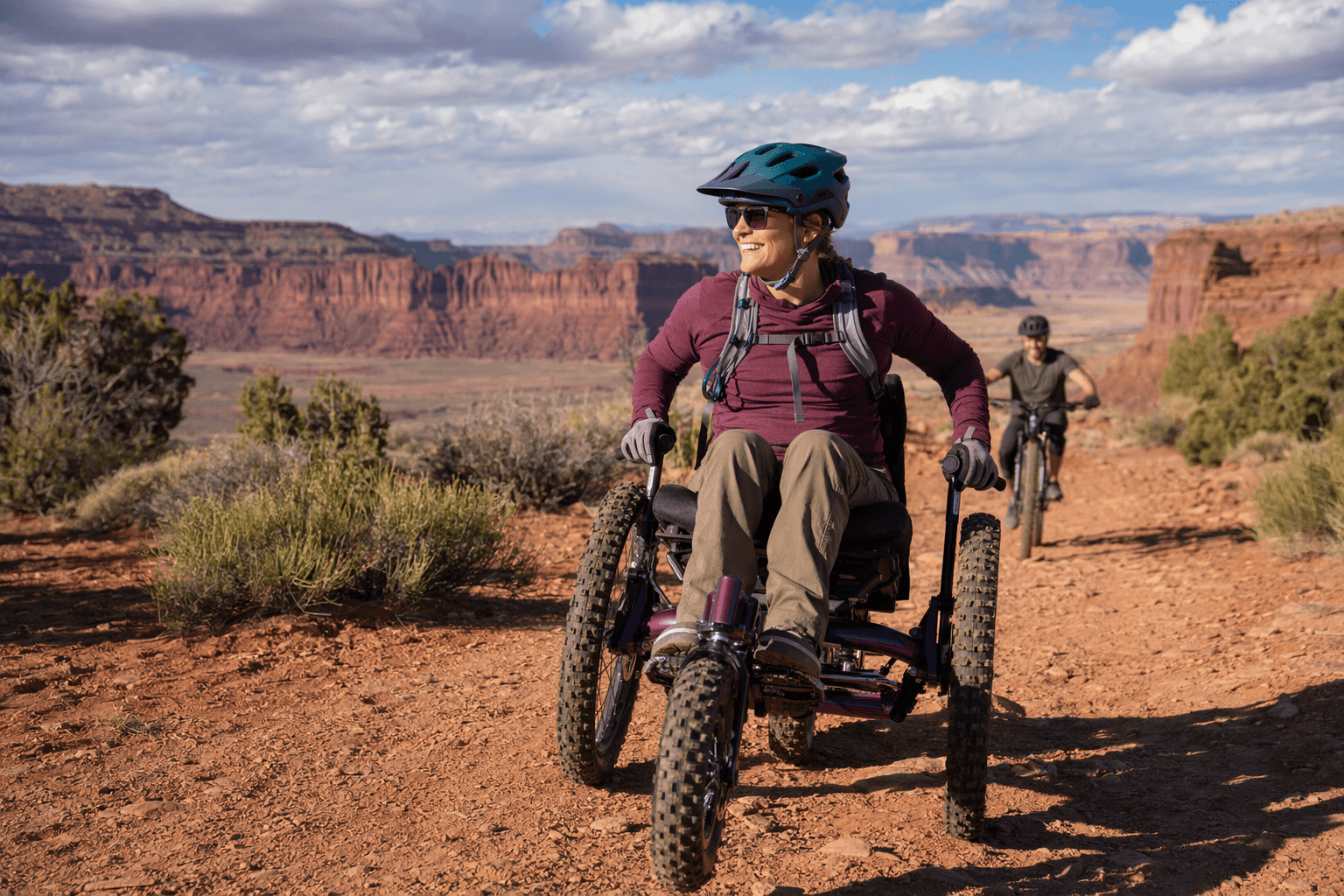
Greg Durso is the kind of rider this shift is built for. After a sledding accident left him paralyzed from the mid-back down, he rides a three-wheeled adaptive mountain bike powered by hand cranks. His experience also shows the problem Grand County is trying to solve. Without clear information on width, slope and obstacles, a route can go from promising to unusable in a hurry. Adaptive bikes need enough width, limited cross-slope and no unavoidable obstacles higher than about eight inches, which is a very different standard from the one most Moab riders think about when they pick a line.
The county’s broader trail work gives that access push more structure. Grand County says it maintains more than 150 miles of non-motorized singletrack it has constructed, and it is updating the Non-Motorized Trails Master Plan with the City of Moab and Alta Planning and Design to build a safer, connected network for walking, biking and rolling. The Moab Trail Ambassador Program, meanwhile, works high-use trails and educates thousands of visitors each year on Leave No Trace and Tread Lightly practices, a reminder that better access also needs better trail etiquette.
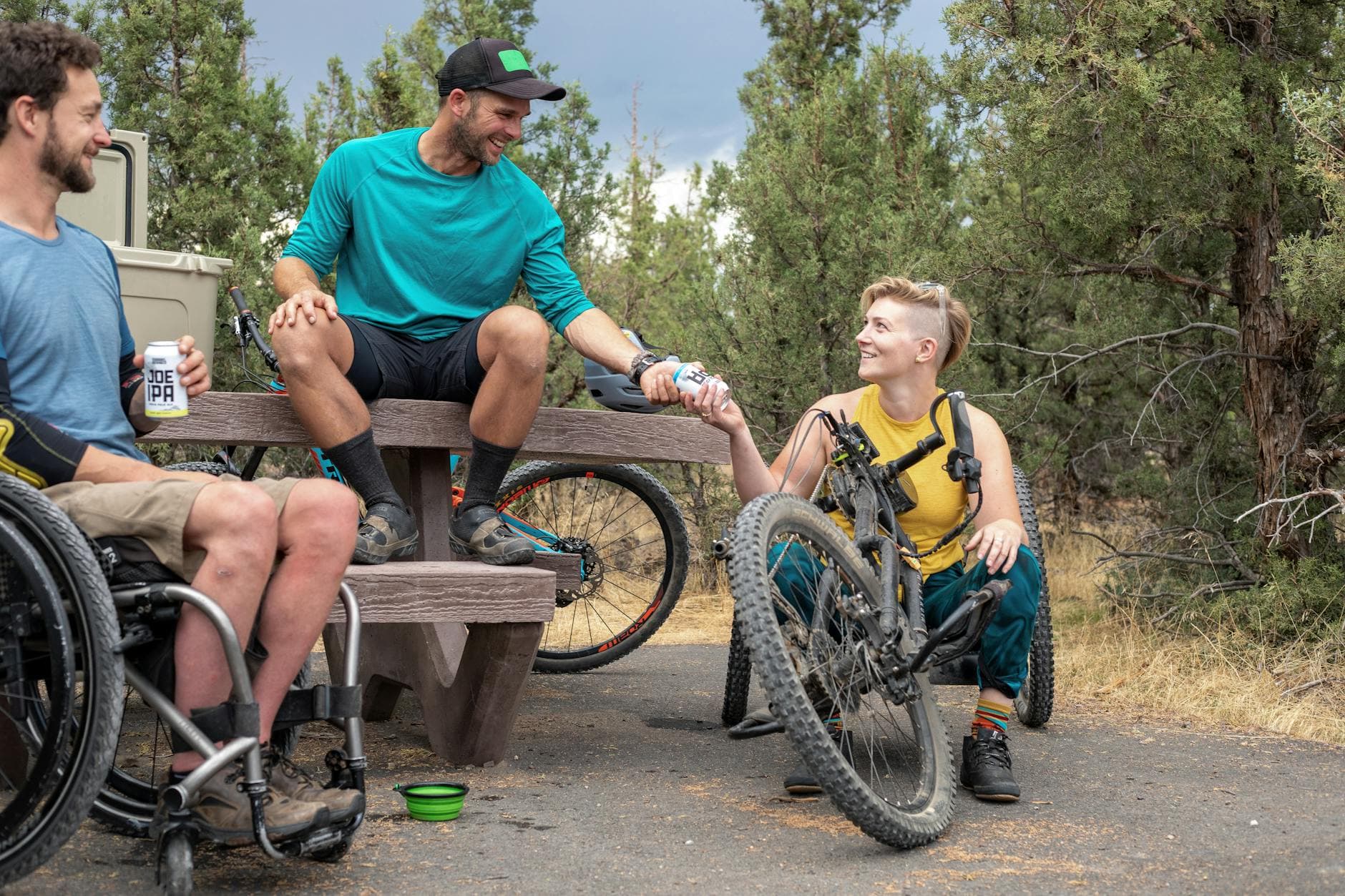
That balance is what makes the Moab story different from a simple expansion map. The Bar M / Moab Brands system, selected as a National Recreation Trail in 2020, covers about 31 miles of mostly singletrack, while Klondike Bluffs has added seven new trails and a revamped sign system in recent years. Grand County is not trying to dilute Moab’s edge. It is trying to widen the doorway without sanding down the challenge that brought riders here in the first place.
This article was produced by Prism’s automated news system from verified source data, official records, and press releases, then run through automated quality and moderation checks before publishing. The system is built and supervised by the people who set the standards it runs under. Read our full AI policy.
Did this article answer your question?