Upper Basin states approve emergency water release to keep Lake Powell afloat
Lake Powell’s ramps and marina schedules are now riding on an emergency Flaming Gorge release. The lake still may fall below power-pool levels by late summer without more runoff.
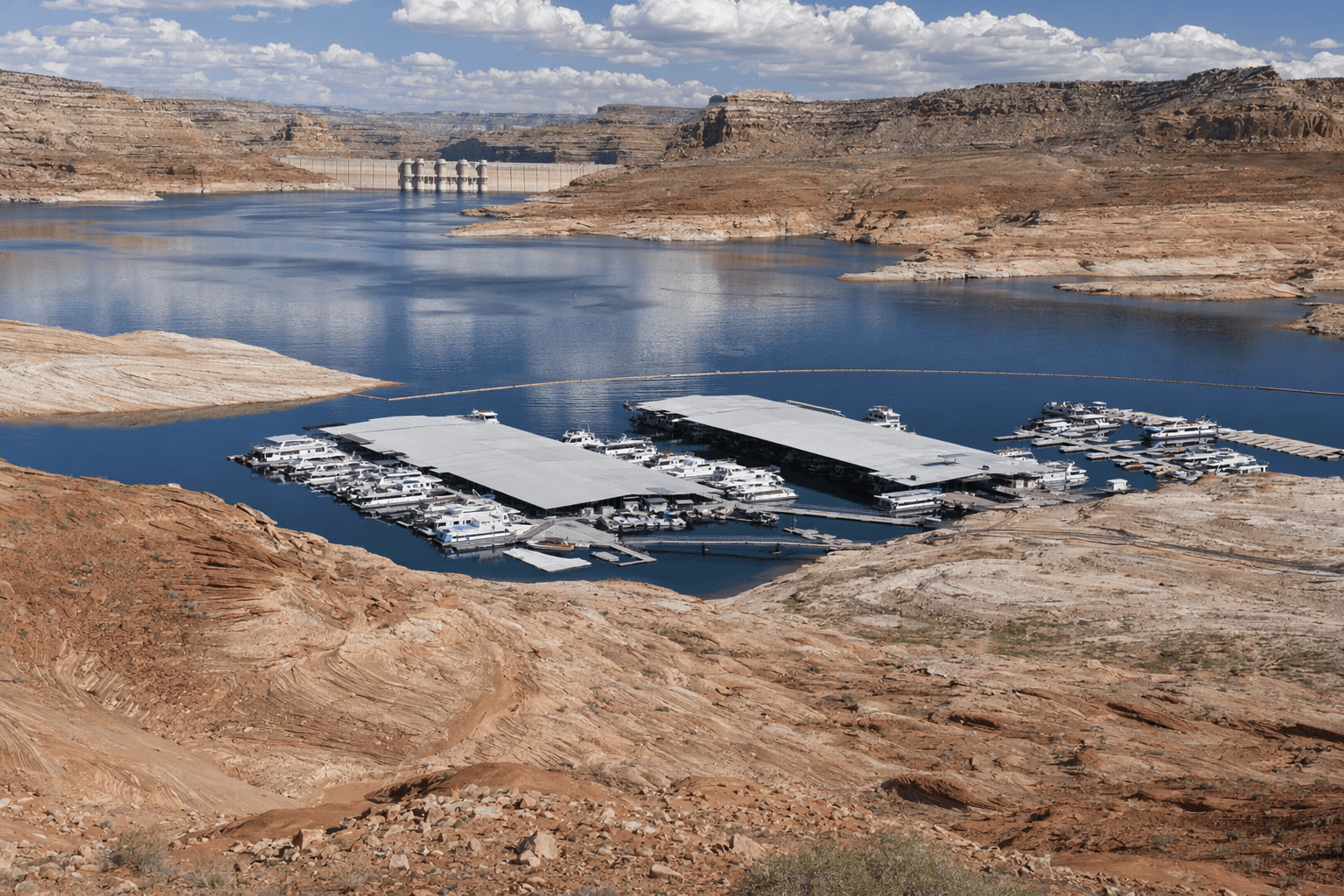
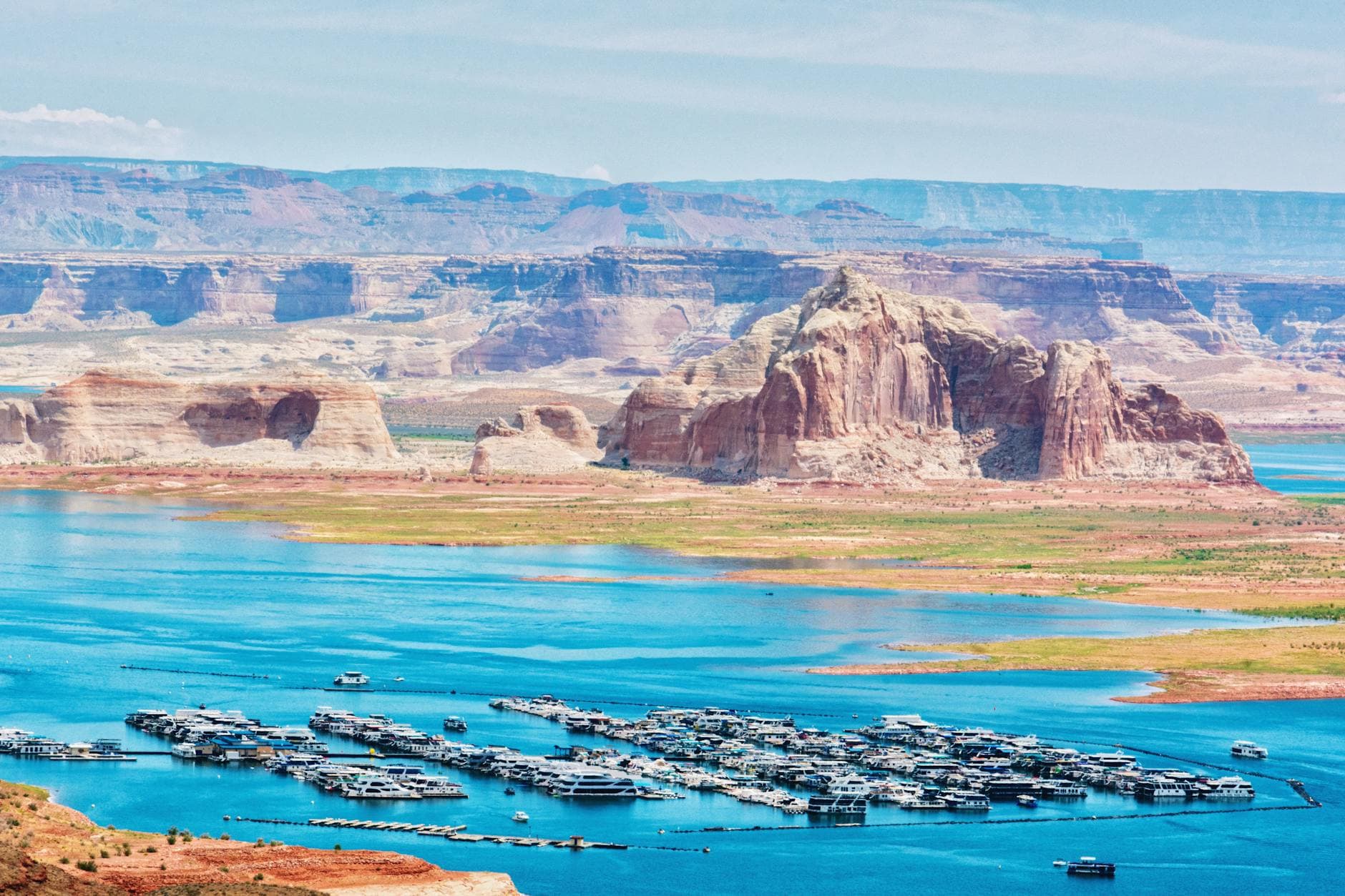
Lake Powell’s boating season just got another dose of uncertainty as Upper Basin states moved to prop up the reservoir with emergency water from Flaming Gorge. The plan is aimed first at keeping Glen Canyon Dam generating power, but the same water level that protects hydropower also helps determine whether houseboats can launch, marinas can stay functional, and ferry-style access around the lake feels reliable.
The agreement calls for 660,000 acre-feet to 1 million acre-feet of water to be sent from Flaming Gorge Reservoir to Lake Powell through April 2027. It also cuts annual releases from Lake Powell to Lake Mead from 7.48 million acre-feet to 6.0 million acre-feet through September 2026. Federal water managers say the emergency steps could lift Lake Powell by about 54 feet over the coming year, but even that would not restore anything like a normal reservoir.
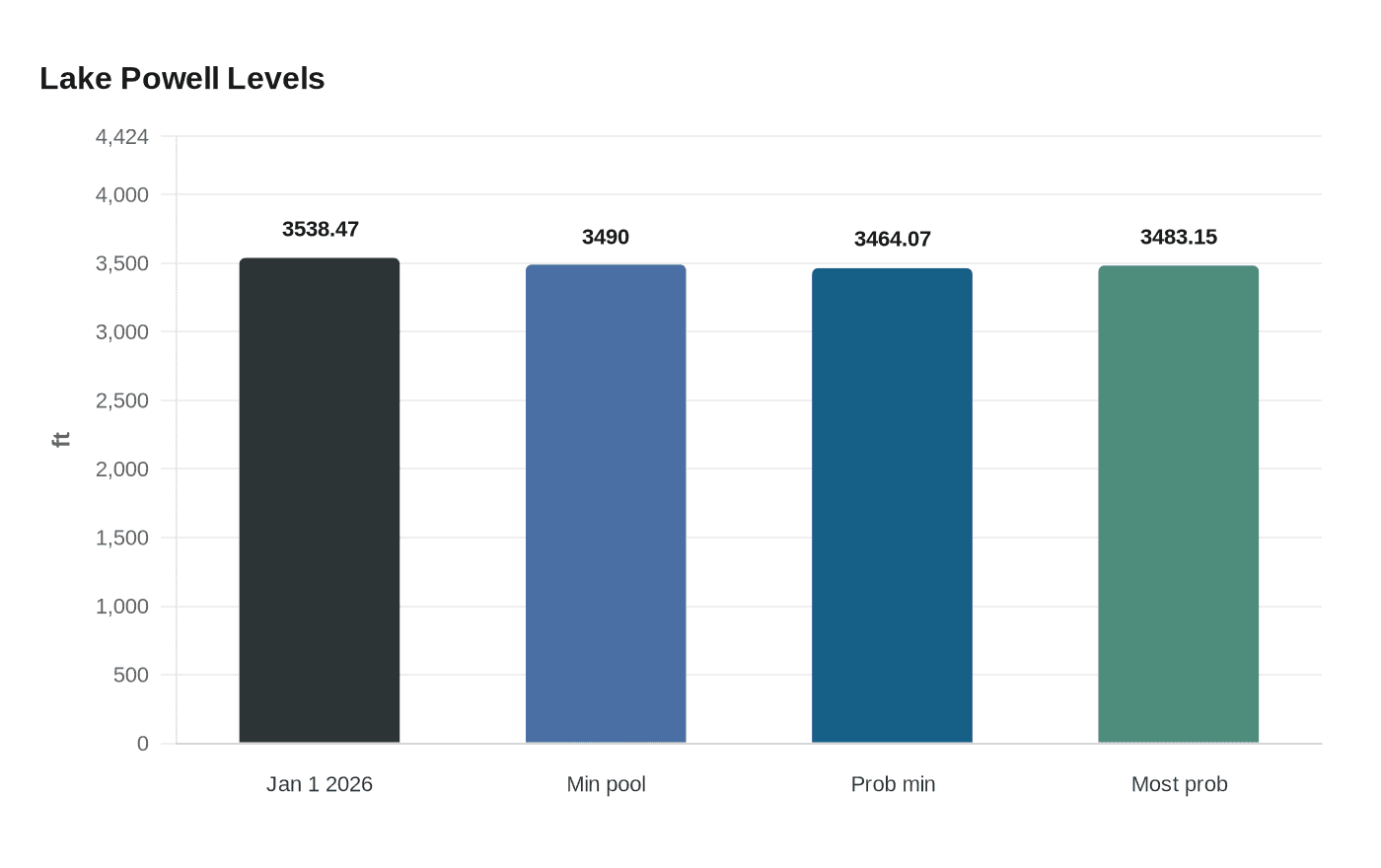
The reason is the number that keeps hanging over the lake: 3,490 feet. That is the minimum power pool at Glen Canyon Dam, the line below which the dam can no longer generate electricity or sustain long-term releases downstream. Bureau of Reclamation projections in April showed Lake Powell starting the year at 3,538.47 feet on January 1, 2026, about 162 feet below full pool and 48 feet above minimum power pool. But the same study warned that without intervention, the lake could fall below 3,490 feet as soon as August 2026.
The inflow forecast explains the urgency. Reclamation’s April 2026 24-Month Study put Lake Powell’s water year 2026 minimum probable inflow at 3.01 million acre-feet, just 31 percent of average. Its later update said inflow was forecast at 2.78 million acre-feet, or 29 percent of historical average, one of the lowest on record. Under the Probable Minimum scenario, Lake Powell could drop to 3,464.07 feet by December 31, 2026. Even the most probable projection still had the reservoir at only 3,483.15 feet, with 3.44 million acre-feet in storage, about 15 percent of capacity.
The emergency move was approved reluctantly, with Wyoming negotiator Brandon Gebhart warning of major hits to local water resources, economies, and recreation, while Utah negotiator Gene Shawcroft called the drought crippling across the West. Amy Haas of the Colorado River Authority of Utah said Flaming Gorge is their livelihood, a reminder that one recreation economy is now being used to protect another. Reclamation used a similar drought response in summer 2021, when 161,000 acre-feet was released from Flaming Gorge and the Aspinall Unit. For visitors planning the 2026 season, the clearest takeaway is simple: Lake Powell is being managed to avoid a hydropower crisis, not to guarantee stable boating conditions.
This article was produced by Prism’s automated news system from verified source data, official records, and press releases, then run through automated quality and moderation checks before publishing. The system is built and supervised by the people who set the standards it runs under. Read our full AI policy.
Did this article answer your question?