Moab, Utah Emerges as Southwest Adventure Base Camp for Every Traveler
Moab works best when you stop treating it like a checklist and start using it like a base camp, with the right mix of red-rock icons, town convenience, and public-land access.

Moab as a base camp, not a drive-through
Moab rewards the traveler who arrives with a plan and leaves room for improvisation. It is the kind of Southwest hub where you can sleep in town, roll out early for trail time, and still be back in Moab for dinner, gear repair, or a cold drink before doing it all again. That flexibility is the real appeal: hiking, biking, camping, climbing, rafting, and shopping all stack onto the same compact launch point, so you are never far from your next move.
The smartest way to approach Moab is to choose your version of the trip before you choose your trail. If you want adrenaline, the town delivers some of the region’s most famous mountain biking. If you are traveling with a mixed group, Moab makes it easy to pair easygoing hikes with bigger days outside town. If you are threading the area into a larger self-drive route through Arches, Canyonlands, or surrounding BLM lands, Moab gives you the logistics and the breathing room to do it without turning every day into a race.
If you want the adrenaline weekend
Moab’s mountain biking reputation is not hype. The Whole Enchilada, including the Porcupine Rim section, sits near the top of the list for riders who want a big, memorable day, and the Slickrock Trail and Captain Ahab keep the town firmly on the map for people chasing technical desert riding. These are not casual spins, and that is part of the draw. The terrain asks you to be awake from the first pedal stroke, and the payoff is a ride that feels inseparable from the red-rock landscape around it.
What keeps Moab from feeling like a one-note expert playground is the network of trails built by local groups for different ability levels. That matters if your group is mixed, or if you want to build confidence before committing to the marquee routes. A good Moab bike weekend is often less about stacking the hardest miles and more about sequencing the right rides: one demanding signature trail, one shorter practice or recovery ride, and enough time left in the day to actually enjoy where you are.
If you are planning a family adventure
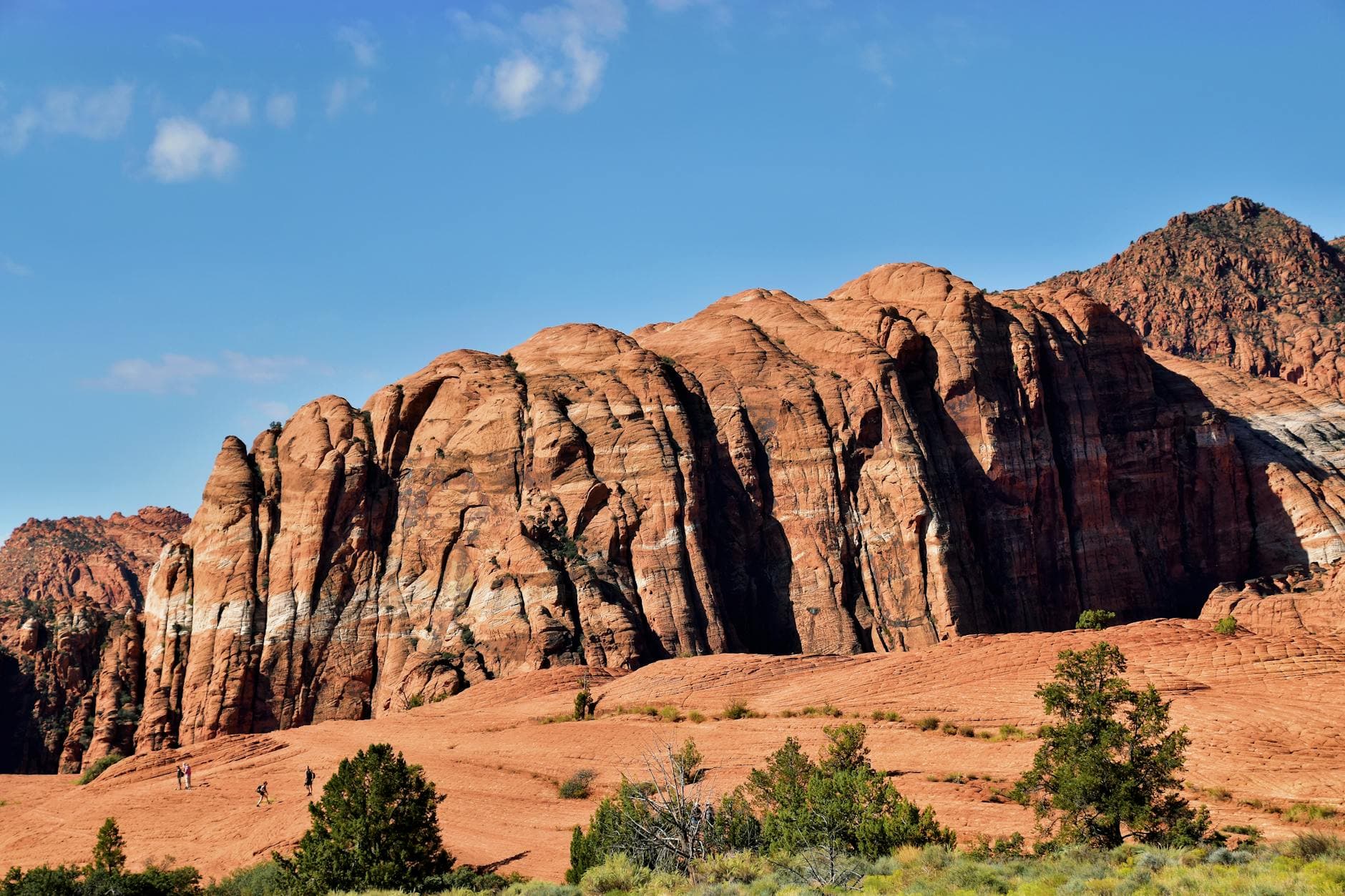
Moab works surprisingly well for families because it gives you big scenery without forcing every outing to become a summit push. Delicate Arch and Corona Arch are the obvious names, but they matter because they deliver that classic red-rock payoff people come here for. If you want to keep the day calmer, Grandstaff Trail, Hidden Valley Trail, Fisher Towers Trail, and Hunter Canyon Trail offer a different pace, with enough scenery to keep the trip feeling special without draining every ounce of energy.
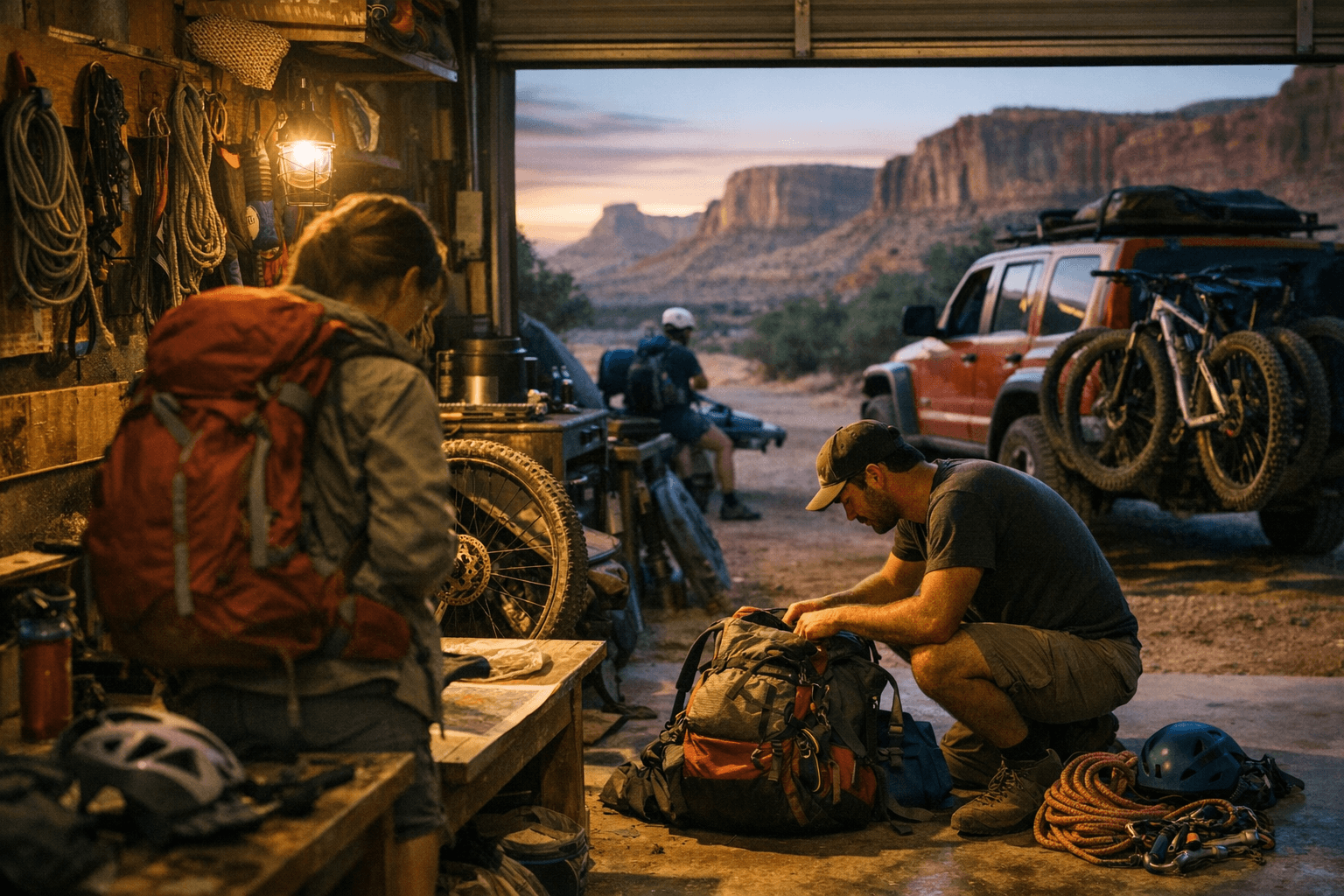
The trick is to avoid packing too many marquee stops into one day. One substantial hike in the morning, a slower lunch or break in town, and a lighter afternoon outing usually beats trying to stack two major destinations back to back. Moab’s town-to-trail convenience makes that easy, which is exactly why it works for families: you can pivot if someone needs an earlier finish, a snack run, or a less ambitious second outing.
If you are chasing a shoulder-season getaway
Moab has a different personality when you are not trying to squeeze every famous stop into a single warm-weather sprint. Shoulder season is the time to lean into the quieter side of the area, when the town still gives you easy access but the experience feels less compressed. That is the best window for travelers who want a more balanced rhythm, with hiking, a little time in town, and a longer look at the surrounding public lands.
This is also the ideal moment to mix the obvious with the overlooked. A classic hike like Corona Arch can anchor the day, but pairing it with a lesser-known trail such as Hunter Canyon or Hidden Valley gives you the feeling that you have actually spent time in the landscape rather than just collected names. In Moab, that balance is the whole game: one iconic stop for the memory, one quieter route for the atmosphere, and enough daylight left to enjoy both.
If Moab is a park-adjacent add-on
Moab is at its best when you use it as the connective tissue for a larger Southwest road trip. The town is a natural base for people building self-drive itineraries through Arches, Canyonlands, and nearby BLM lands, and that means you can treat it as more than a place to sleep. You can stage your hikes, recover between park days, and use the town as a practical reset point before heading deeper into the backcountry.
That setup is especially useful if you want to add river time or more technical adventure without changing your whole trip. Colorado River rafting expands the day beyond the trail system, while access to undisturbed backcountry gives you options for travelers who want more solitude than the park pullouts usually provide. Moab turns those choices into a manageable itinerary instead of a logistics headache.
How to build the days without overpacking them
The most useful Moab strategy is simple: front-load the biggest effort, then leave room for the rest of the day to breathe. If you are biking, start early and save town time for the heat of the afternoon or the post-ride reset. If you are hiking, pair one well-known destination with one shorter trail or a slower town stop, rather than trying to chase three big names in a row.
A strong Moab itinerary usually follows this pattern: 1. Pick one anchor activity, such as a signature ride, a classic arch hike, or a rafting day. 2. Add one secondary outing that is shorter, quieter, or less technical. 3. Keep town time in the middle so you can refuel, rest, and adjust for the next day.
That rhythm is what turns Moab from a bucket-list stop into a base camp that actually works. The town is built for movement, but it is even better when you stop trying to do everything at once.
What to bring, and why it matters here
Moab rewards preparation because the landscape is beautiful and demanding at the same time. Water is non-negotiable, layers matter because conditions can shift quickly, and sturdy shoes are not optional if you want to enjoy the trails instead of simply surviving them. The same goes for pacing: a day that looks easy on a map can feel much bigger once you are on slickrock, exposed trail, or in the heat.
If you plan to climb or canyoneer, Wall Street and Longbow Arch point you toward the sandstone features that make the area such a magnet for technical adventure. For a safer, more context-rich experience, going with a guide makes sense, especially when you want the story of the landscape as well as the climb itself. That is Moab at its best: not just a place to tick off icons, but a place where the right sequence of activities makes the whole trip feel sharper, smarter, and more rewarding.
This article was produced by Prism’s automated news system from verified source data, official records, and press releases, then run through automated quality and moderation checks before publishing. The system is built and supervised by the people who set the standards it runs under. Read our full AI policy.
Did this article answer your question?