Spring 2026 Glen Canyon and Lake Powell visitors face low-water hazards
Low water is reshaping Lake Powell trips now. Launches, shoreline access, and timing all matter more, and visitors need to plan like expedition travelers.
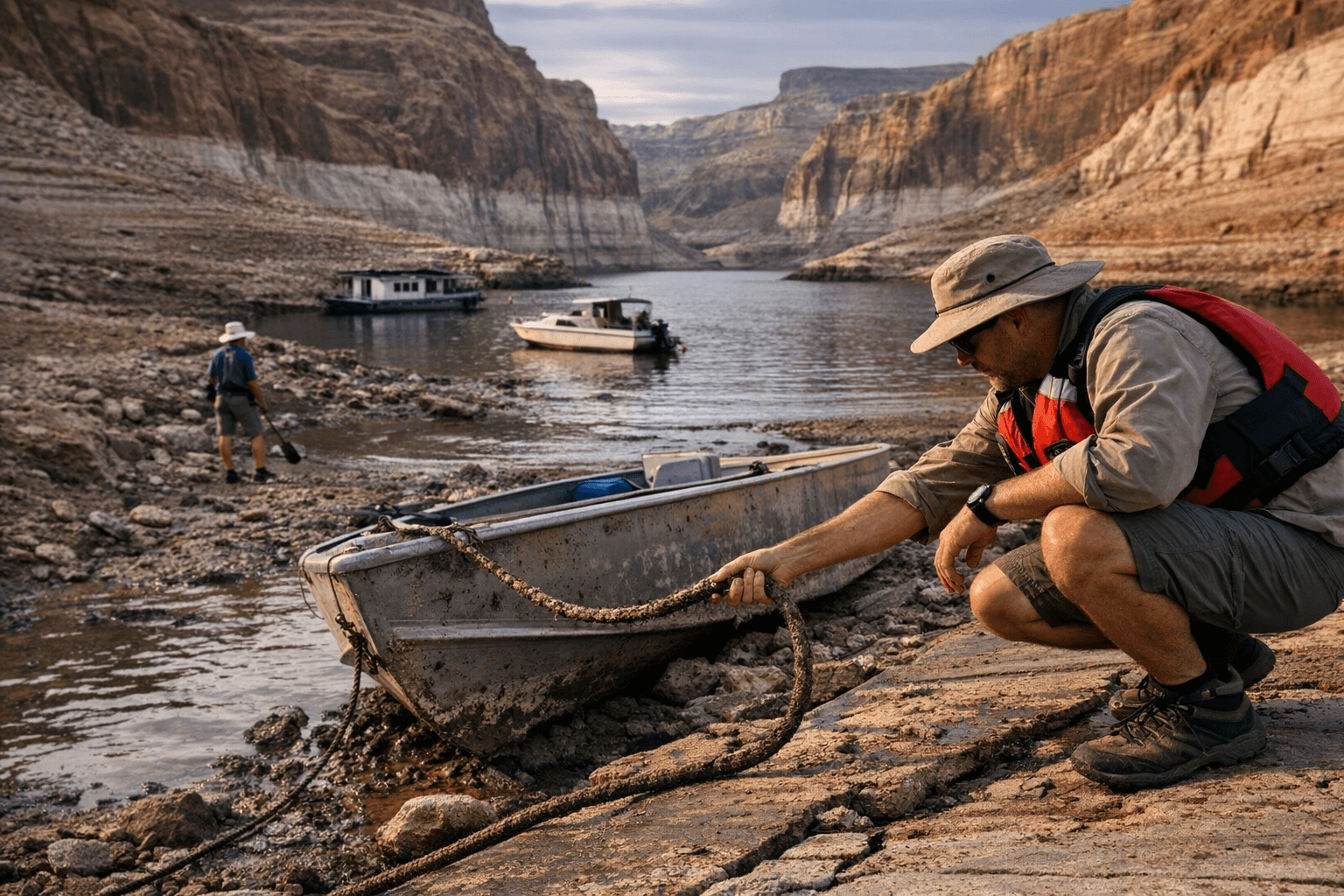
Low water is changing the way Lake Powell trips work, and the difference is showing up first at the ramp, the shoreline, and the clock. Glen Canyon is still open, but spring visitors are no longer dealing with a simple drive-up-and-launch experience, and that shift matters for anyone building a Utah or Arizona itinerary around the lake.
What changed on Lake Powell
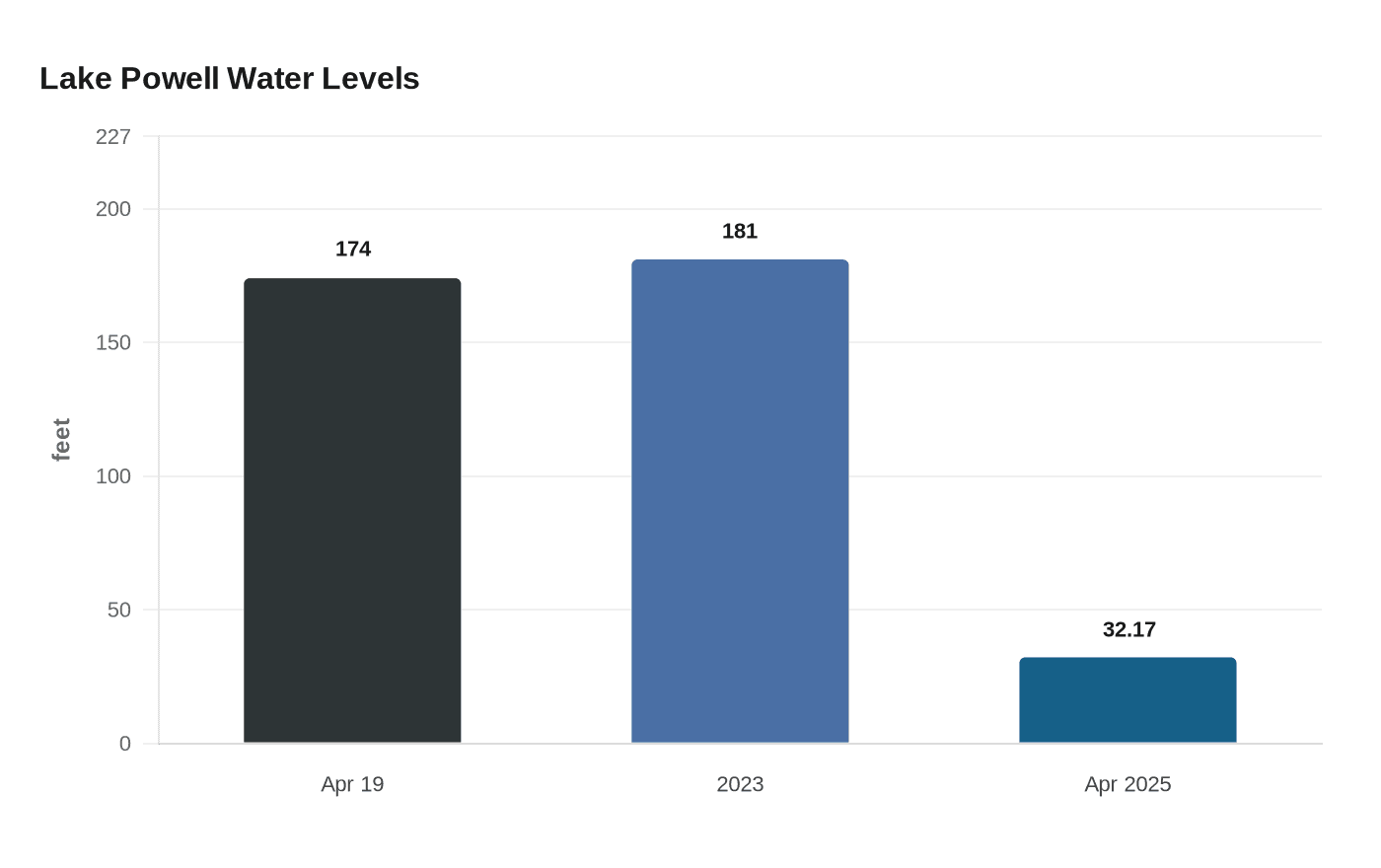
The most important number for spring travelers is the water level itself. As of April 19, Lake Powell was operating 174 feet below full pool, a dramatic drawdown that has already exposed shorelines, submerged obstacles, and channels that can feel narrower or shift from week to week. That is not just a headline for reservoir watchers, it is the kind of change that alters how you load, launch, and move once you are on the water.
The scale of the drop is what catches many first-time and returning visitors off guard. The lake’s previous low-water record sat at 181 feet below full pool in 2023, and the reservoir was 32.17 feet lower than it had been in April 2025. Those numbers explain why familiar access points can look different, why boaters are being pushed to make earlier decisions, and why shoreline access can require a lot more walking than a casual visitor expects.
Why the National Park Service warning matters
On April 17, the National Park Service warned visitors to expect those low-water conditions to affect travel across Glen Canyon and Lake Powell. The practical advice is simple but serious: operate at safe speeds, keep a proper lookout, and make early, deliberate moves around hazards. At this lake, hesitation can be expensive, because a submerged obstacle or a shifting channel does not leave much room for last-second correction.
That warning applies to more than powerboats. Paddlers, houseboaters, and shoreline day-trippers all need to think differently now, because low water changes the rhythm of the entire outing. The lake may still look like a straightforward recreation stop on a map, but on the ground it is behaving more like a place that rewards careful route-finding and punishes assumptions.
How launches and shoreline access are affected
The first thing many travelers notice is that access is less convenient than they imagined. Lower water can mean longer walks from parking areas to the water’s edge, which turns what looked like an easy stop into a more involved carry-and-launch setup. If you are carrying coolers, fishing gear, or paddling equipment, that extra distance matters.
Busy ramps are feeling the pressure too. With water down and access compressed, congestion becomes more likely at the ramps that still work well, especially during peak hours. That is why Jesse Romell, founder and owner of Lake Powell Guide Services, says planning ahead is essential and urges visitors to keep up with National Park Service ramp updates and availability before arriving. In a season like this, a smooth launch depends less on luck than on knowing which ramp is open and how busy it is likely to be when you get there.
Shoreline visitors face their own version of the same problem. A beach that looked close on a map can turn into a longer scramble across exposed terrain, and access points can shift enough that the easiest approach one week may not be the easiest the next. The safest mindset is to treat every water’s-edge outing as a changing route, not a fixed destination.
How to build a smoother spring itinerary
For a dependable trip, the biggest adjustment is timing. The guide’s clearest practical advice is to start earlier in the day if you want to avoid heat, crowds, and delays. That matters for boaters trying to get off the ramp cleanly, for houseboat crews organizing a full day on the lake, and for casual visitors hoping to fit in a shoreline stop without turning the outing into a slog.
A better approach is to plan the day in layers:
1. Check ramp status and availability before you leave, not after you are already committed to the drive.
2. Build in extra time for parking, gear movement, and the longer walk to the water.
3. Start early enough to beat the hottest part of the day and the biggest traffic at launch points.
4. Assume the channel or shoreline may have changed since your last trip, even if you were here recently.
That sequence matters because Lake Powell is no longer a place where you can assume the old access pattern will still work. The lake rewards travelers who arrive ready, move early, and leave enough margin for delays.
Who needs to pay closest attention
Boaters need the most immediate caution because submerged hazards and shifting channels can create problems fast. Houseboaters also need to be especially deliberate, since a slow, heavy vessel does not have the same room for improvisation at the ramp or in a narrow channel. Paddlers and shoreline visitors may feel the effects more subtly, but they still deal with the same low-water reality: more walking, more route changes, and more need to pay attention to where the water actually begins.
This is also why the broader itinerary question matters. If you are trying to build a Utah or Arizona getaway around Lake Powell, Antelope Canyon, or a multi-day Colorado River trip, you need to think like an expedition planner instead of a drive-up tourist. The region still delivers the same big-water, red-rock payoff, but the logistics now demand more patience and more flexibility.
The takeaway for spring 2026 travelers
Glen Canyon is open, but Lake Powell is operating under conditions that make preparation part of the trip itself. The lake is 174 feet below full pool, down 32.17 feet from April 2025, and still below its 2023 low-water record, which means visitors should expect more exposed shoreline, more access friction, and more attention to detail at every step. The people who plan early, watch ramp updates, and build extra time into the day will have a far easier time getting the experience they came for.
This article was produced by Prism’s automated news system from verified source data, official records, and press releases, then run through automated quality and moderation checks before publishing. The system is built and supervised by the people who set the standards it runs under. Read our full AI policy.
Did this article answer your question?