Rocky Mountain Rescue aids stranded climbers on Eldorado Canyon route
Three climbers on Eldorado Canyon’s Naked Edge needed Rocky Mountain Rescue after darkness, route confusion and no headlamps turned a familiar climb into an overnight aid.
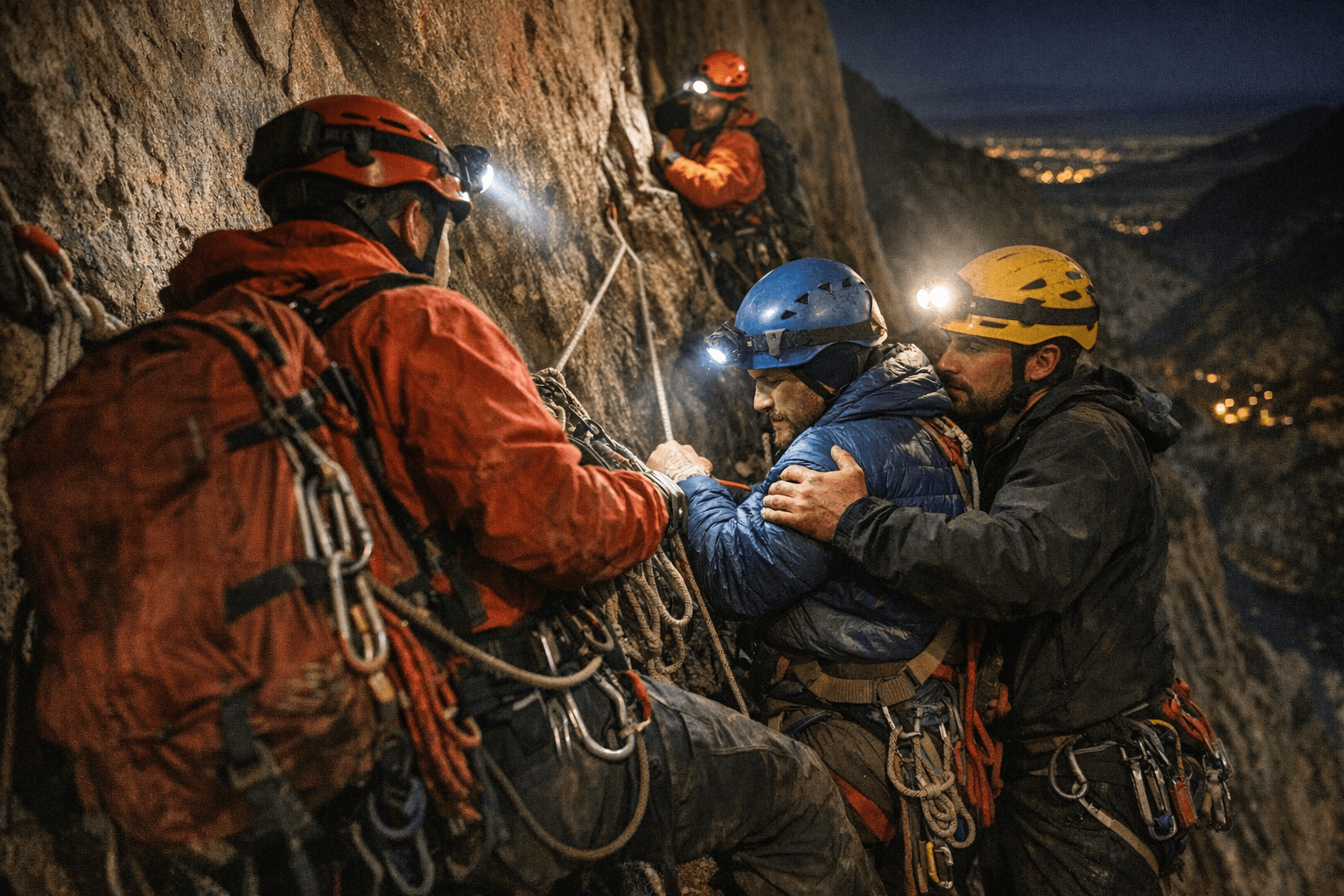
Three climbers on the Naked Edge in Eldorado Canyon State Park were escorted to safety after losing their way as daylight faded and realizing they had no headlamps for the descent. Rocky Mountain Rescue reached the party, provided warming gear and helped with the ascent, and all three were safe by 2:25 a.m.
The incident turned a well-known Front Range objective into a reminder that long, technical routes punish small mistakes fast. Once the sun dropped off Eldorado Canyon, the climbers’ route-finding problem became a time problem, then a temperature problem. Without headlamps, every decision slowed down. What might have been a routine finish on a classic multi-pitch route instead required outside help and a late-night rescue.
The Naked Edge has long carried the reputation of a serious alpine-style outing close to the Denver-Boulder corridor, where climbers can underestimate how much a day on the wall can stretch. On a route like this, the most important choices happen before the first pitch: start early enough to leave daylight for the descent, know the line well enough to identify the correct finish, and plan the way down before committing to the climb. When any one of those pieces breaks, the margin disappears quickly.
This rescue also underscored how quickly conditions change once climbers are benighted. Even in a heavily used park, darkness can erase landmarks, obscure descent options and make it hard to tell one rappel station or trail junction from another. The warming gear Rocky Mountain Rescue carried mattered because the problem was no longer just navigation. It had become exposure in a cold canyon after dark.
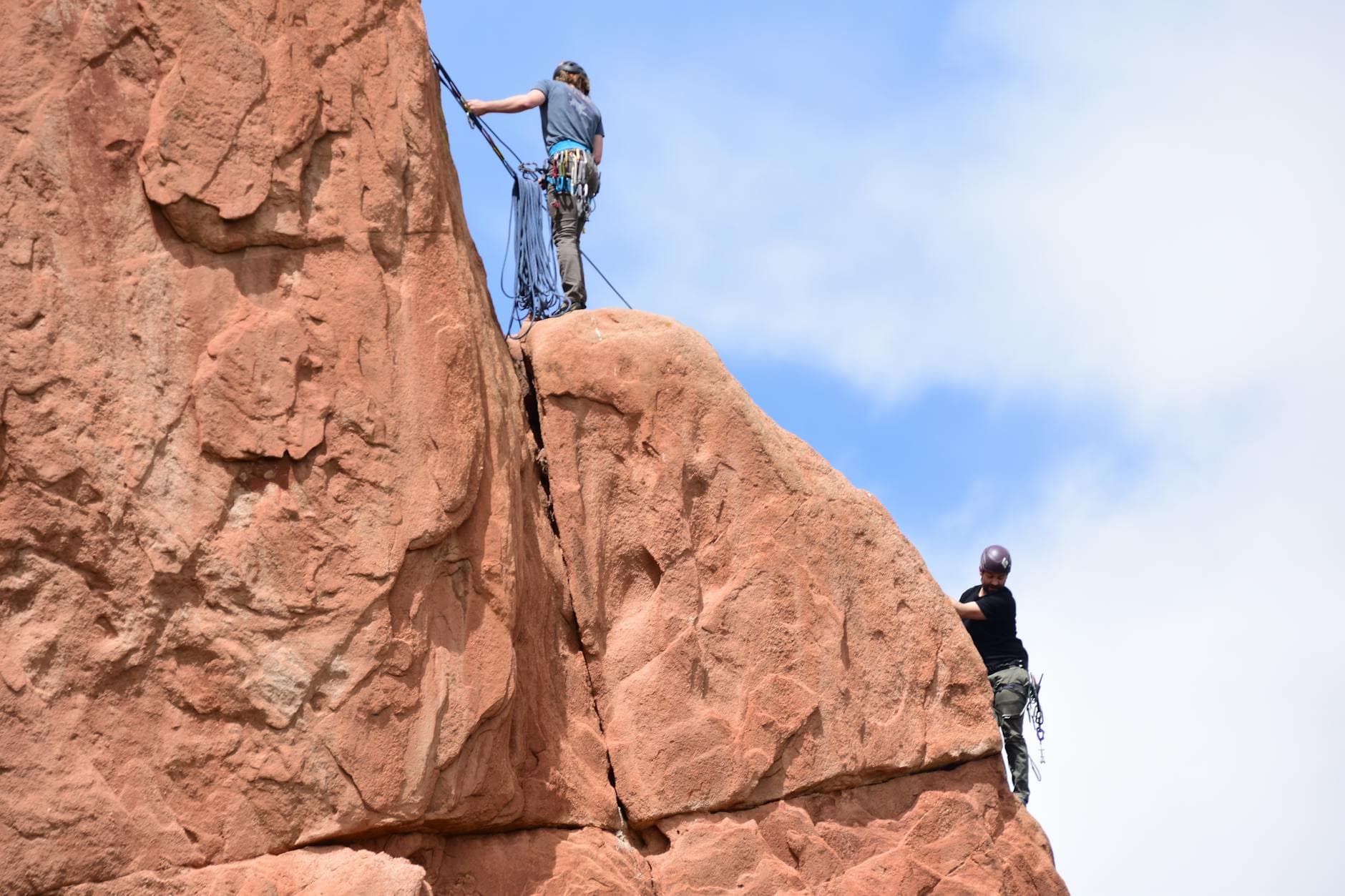
The sheriff’s message after the rescue was direct: plan for multi-pitch climbs with the same seriousness you would give a remote alpine objective. Bring the gear that lets you finish the route and get back down, including headlamps, extra layers and the judgment to turn around or bail before the schedule slips. On established classics like the Naked Edge, confidence can be its own hazard when it replaces a solid descent plan.
By 2:25 a.m., the climbers were safe. The night ended with a rescue, but the lessons were written into the route itself: start with a real daylight buffer, know the descent, respect the weather window and carry the equipment that keeps a late finish from becoming a call for help.
This article was produced by Prism’s automated news system from verified source data, official records, and press releases, then run through automated quality and moderation checks before publishing. The system is built and supervised by the people who set the standards it runs under. Read our full AI policy.
Did this article answer your question?