New glamping resort draws crowds as Pecos River mining fears grow
A new Pecos River Canyon glamping draw is open, but the nearby mining fight could shape water, fishing, and access for years.
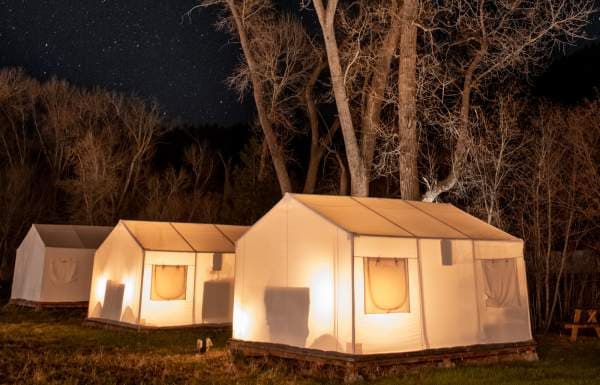
The Pecos River Canyon has a fresh reason to book a weekend, but it comes with a warning label. A new glamping resort and state park area is pulling anglers, campers and other outdoor travelers into the Upper Pecos watershed just as a nearby mining proposal renews fears about the water, trout and scenery that make the canyon worth the drive.
That tension is not new in Tererro. State legislative materials say the Tererro ore body, near the confluence of Willow Creek and the Pecos River, was discovered in 1881, and large-scale mining ran from 1927 to 1939. The same materials say the upper Pecos River above the town of Pecos still shows signs of acid mine drainage from the old mine, with elevated contamination measured in July, August and September of 2023.
That history is why the current proposal has hit such a nerve. In 2019, Comexico LLC, a Colorado-based subsidiary of Australian mining company New World Resources Ltd., acquired 20 mining claims in the Jones Hill area near Tererro and applied for exploratory drilling permits for gold, copper, zinc, lead and silver. The broader footprint described in New Mexico legislative and news reports covers about 4,300 acres in the Upper Pecos watershed, close to an inventoried roadless area of Santa Fe National Forest and the Santa Fe Municipal Watershed.
For travelers, the concern is bigger than a political fight. The legislative fact sheets warn that sulfide ores can oxidize and release sulfuric acid and metals into water, and they say the proposed mining could affect cultural resources, rare native Rio Grande cutthroat trout, wildlife including endangered Mexican spotted owls, and water resources. Mine waste from the Tererro site has also been tied to a fish kill in the 1990s, including more than 90,000 trout at a hatchery, a reminder of how quickly a recreation economy can be hit when water quality slips.
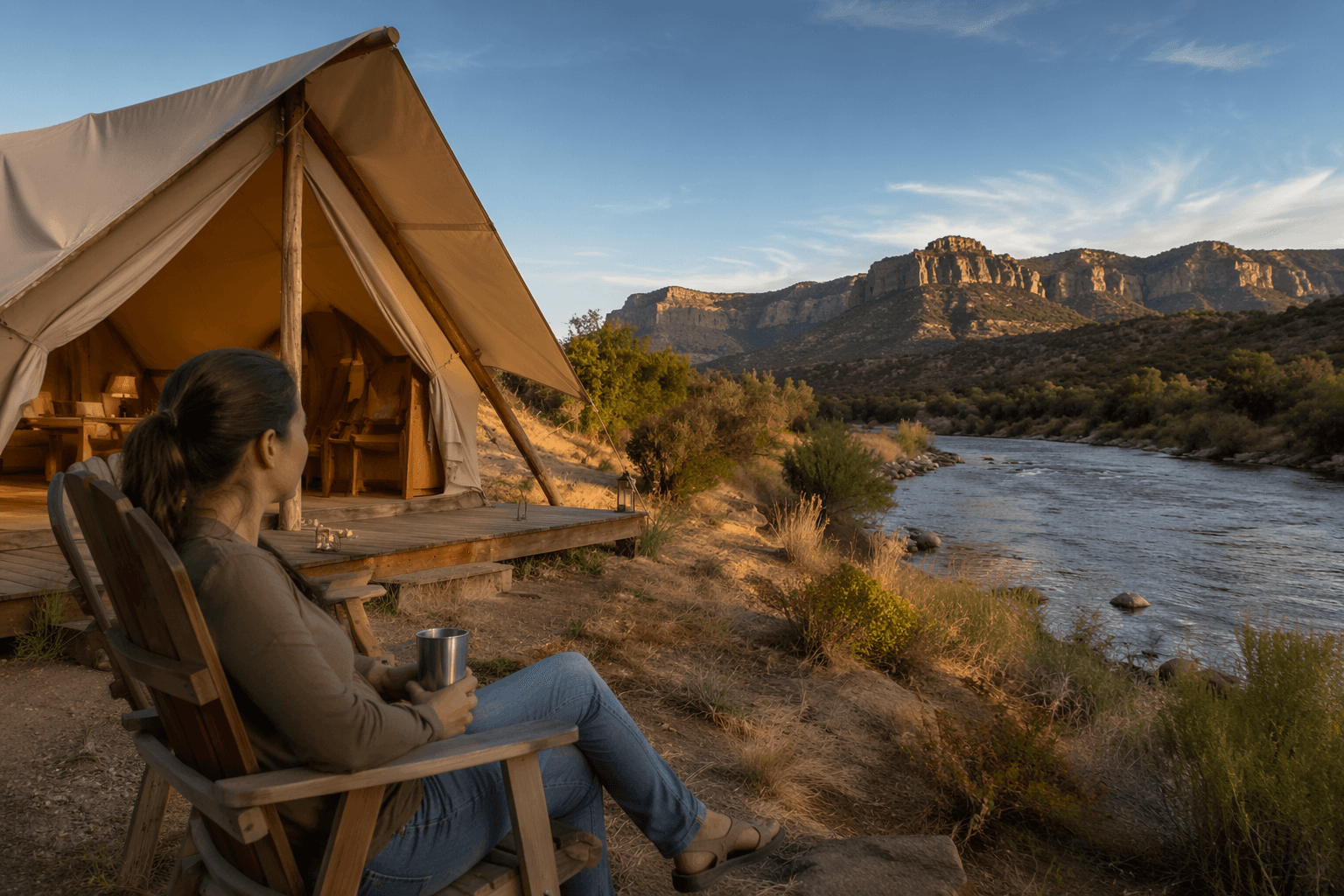
That is the backdrop as local officials defend the watershed’s value for both recreation and daily life. Rep. Teresa Leger Fernandez said the headwaters provide “life-giving water” down through the Pecos and to Texas, while Pecos Mayor Ted Benavidez has raised concerns about the long-term health and economic impact of mining near the river. The stakes became clearer in 2024, when the U.S. Department of the Interior started a two-year segregation period for about 165,000 acres in the watershed and New Mexico’s state land commissioner withdrew 2,552 acres of state land from mineral leases through 2045.
The fight is still unresolved. Reporting in April 2026 said the federal effort to block new mining in the watershed was later halted by the Trump administration, leaving travelers to decide whether the canyon’s new glamping momentum outweighs the uncertainty hanging over the water and the views. For now, the Pecos offers a promising basecamp, but the future of the river corridor still depends on what happens next in the ground above it.
This article was produced by Prism’s automated news system from verified source data, official records, and press releases, then run through automated quality and moderation checks before publishing. The system is built and supervised by the people who set the standards it runs under. Read our full AI policy.
Know something we missed? Have a correction or additional information?
Submit a Tip