Provo moves to protect 115 acres near Slate Canyon from development
Provo voted to shield 115 acres at Slate Canyon’s mouth, a move that could keep the canyon approach, viewshed and trail access from being built over.

Provo took a direct step to keep the mouth of Slate Canyon from becoming another built-out edge of the Wasatch Front. On April 28, the Provo City Council unanimously voted at a work meeting to pursue a conservation easement on about 115 acres of city-owned foothill land near the canyon entrance.
The proposal matters because this is not just empty ground on a map. If the easement is finalized, Utah Open Lands would hold the development restriction while Provo keeps ownership. That setup would lock in the land’s scenic, recreational and wildlife values, and it would give the city a legal tool to prevent commercial development without selling off the property.
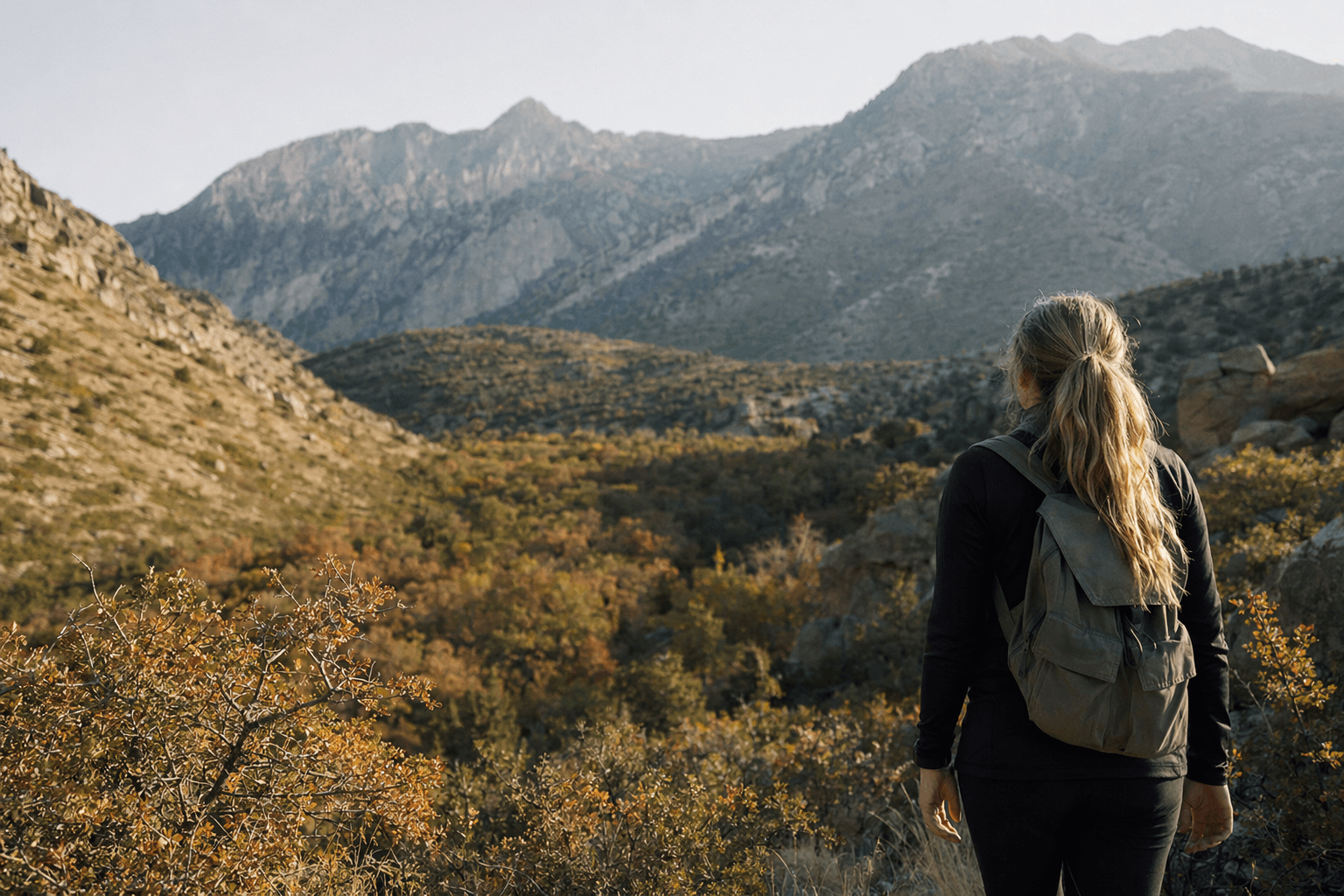
For hikers, trail runners and anyone who uses Slate Canyon as a quick escape from Utah Valley, the big issue is the approach itself. Canyon mouths are where a trip starts to feel wild, and once that edge gets paved, fenced or built out, the experience changes fast. Protecting this parcel would help preserve the viewshed and the feel of the trailhead corridor, even if the land itself is not yet a formal park.
The push comes after years of pressure around the site. The land had been tied to possible expansion plans for Splash Summit Water Park, and residents pushed back hard, urging the city to preserve the Slate Canyon area instead of selling it. Provo Mayor Michelle Kaufusi later said the land was “not for sale” in response to the waterpark proposal, a line that made clear how sensitive the canyon frontage had become.
Utah Open Lands describes conservation easements as a way to permanently restrict development while leaving land in public or private ownership, and executive director Wendy Fisher has framed them as a way to protect agricultural, recreational, wildlife and scenic resources. In this case, the easement functions less like a park opening and more like a guardrail: it keeps future options open while making the worst kind of growth much harder to force through.
There is also a local precedent. In 2020, Utah County approved a conservation easement to preserve Bridal Veil Falls from future development, showing that canyon-edge land in Utah Valley can be protected when public pressure and local government line up.
The next practical step is stewardship. Conserve Utah Valley planned to raise $10,000 for stewardship costs by June 13. If the easement moves forward, Slate Canyon’s mouth could stay one of the easier, more recognizable access points for Wasatch Front outings instead of becoming another warning sign about what happens when foothill land gets left exposed.
This article was produced by Prism’s automated news system from verified source data, official records, and press releases, then run through automated quality and moderation checks before publishing. The system is built and supervised by the people who set the standards it runs under. Read our full AI policy.
Did this article answer your question?