Six rescues in Red Rock Canyon expose desert safety risks
Six rescues in Red Rock Canyon in one weekend showed how fast the desert can overwhelm unprepared visitors. High winds stranded climbers overnight and forced crews into a dawn ground operation.
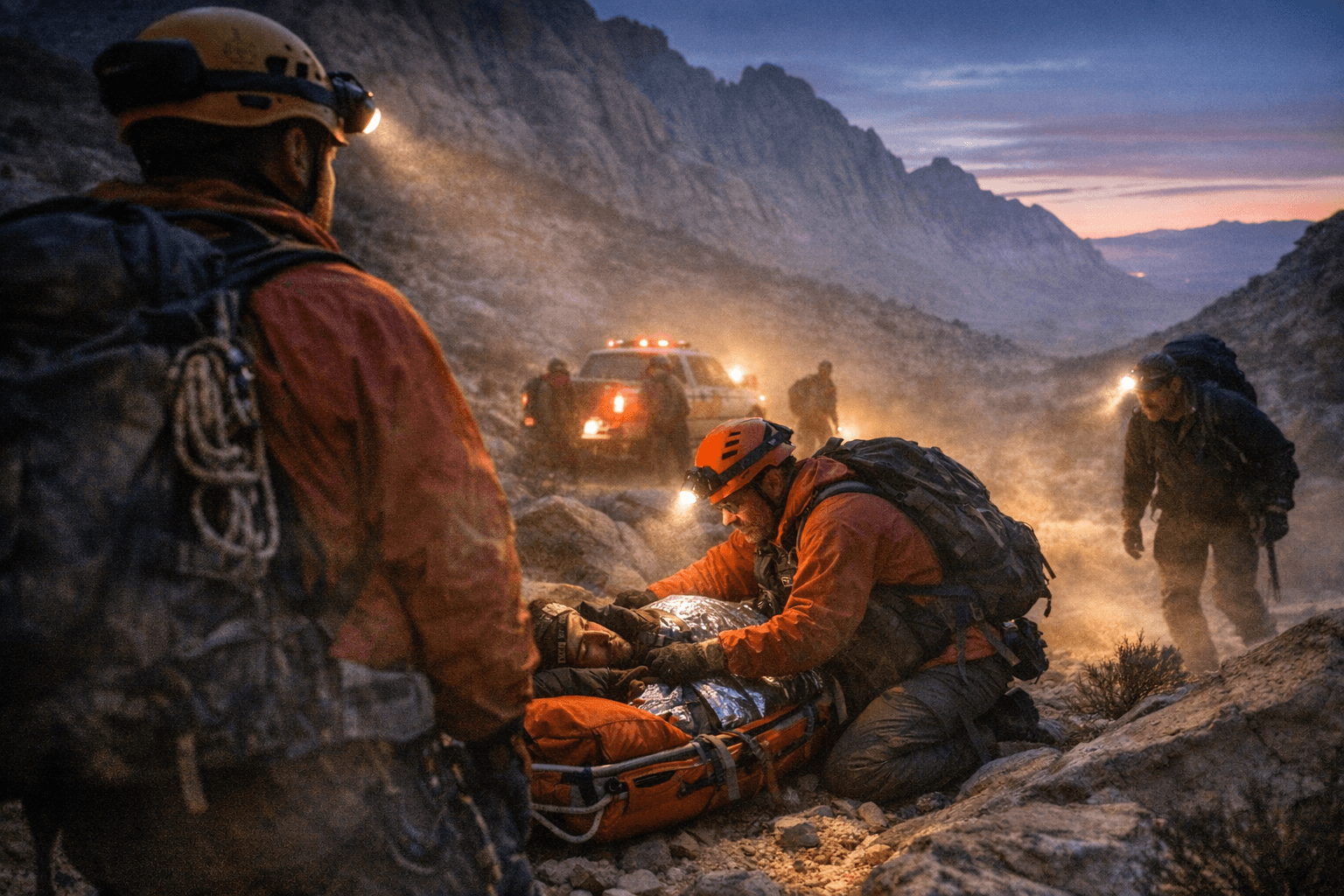
Six rescues in Red Rock Canyon over a single weekend put a harsh spotlight on one of the Las Vegas Valley’s most popular escape routes. The most dramatic callouts came Sunday night, when two separate incidents started around 8 p.m. and high winds grounded helicopter operations, forcing crews to wait until daylight before ground teams reached both parties around 5 a.m. and helped every climber down safely, with no injuries reported in those two cases.
That was on top of a seven-hour rescue on Saturday, when an injured climber was taken to a local hospital after a prolonged operation in the canyon. The Metropolitan Police Department Search and Rescue unit, which works 24/7 across Clark County with one commissioned sergeant and seven full-time officers, keeps those responses moving with volunteer support and technical rescue capability. In Red Rock, though, even experienced crews can be delayed when weather closes the air route and the terrain forces a slower climb in or out.
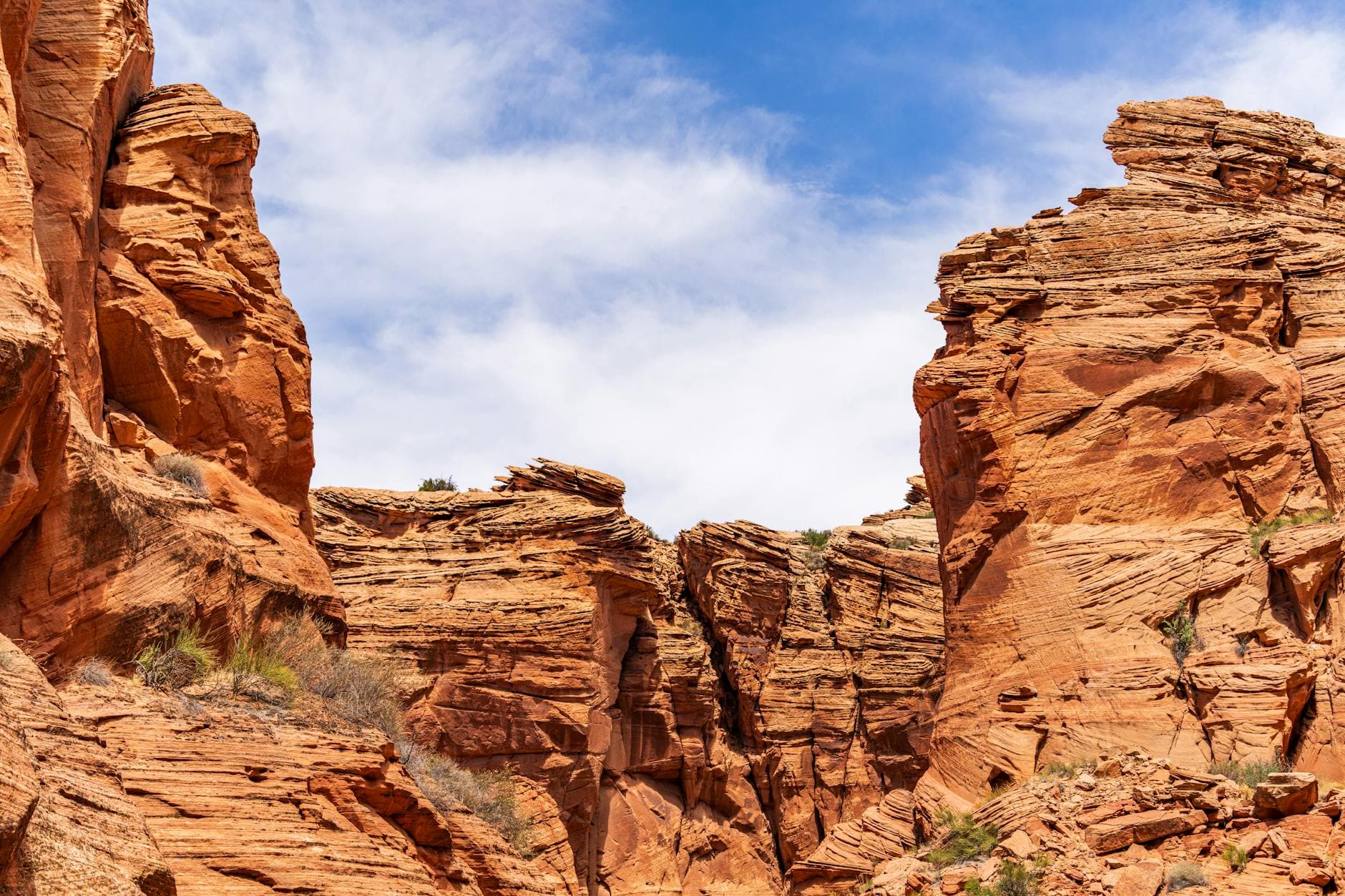
Red Rock Canyon National Conservation Area sits about 17 miles west of the Las Vegas Strip and draws more than three million visitors a year. It was designated in 1990 as Nevada’s first National Conservation Area, but its closeness to the city can make the backcountry feel more forgiving than it is. The Bureau of Land Management says lower elevations sit around 3,500 feet while canyon walls rise to nearly 6,000 feet, and temperatures can change by 3 to 5 degrees for every 1,000 feet of elevation. Strong winds are common, especially in the cool season, and the Mojave Desert remains an extreme environment even on bright, sunny days.
The pattern did not start with that weekend. In January, two hikers near Calico Basin were rescued after they ran out of water and brought gear that did not fit the conditions, including unsuitable footwear, jackets, and only one headlamp. That is the kind of mistake that turns a simple hike into a rescue, especially on routes that demand real scrambling skill or a faster pace than the group can maintain.
The BLM’s visitor guidance is blunt for a reason: bring at least two liters of water per person, plus another liter per person for every mile hiked, do not count on mobile coverage, and avoid sandstone climbing routes for 72 hours after rain. Timed-entry reservations are also required for the Scenic Drive from October 1 through May 31, between 8 a.m. and 5 p.m. For anyone heading out this weekend, the safest plan is the one built around an early start, a conservative route, enough water for heat and elevation, and a turnaround point that comes before wind, fatigue, or darkness does.
This article was produced by Prism’s automated news system from verified source data, official records, and press releases, then run through automated quality and moderation checks before publishing. The system is built and supervised by the people who set the standards it runs under. Read our full AI policy.
Did this article answer your question?