SW Parks Crowding Debate: Timed Entry vs Dynamic Pricing?
Arches just scrapped its timed-entry system for 2026 while Zion resists following suit — and the debate over what replaces it is splitting road-trippers, locals, and conservationists wide open.
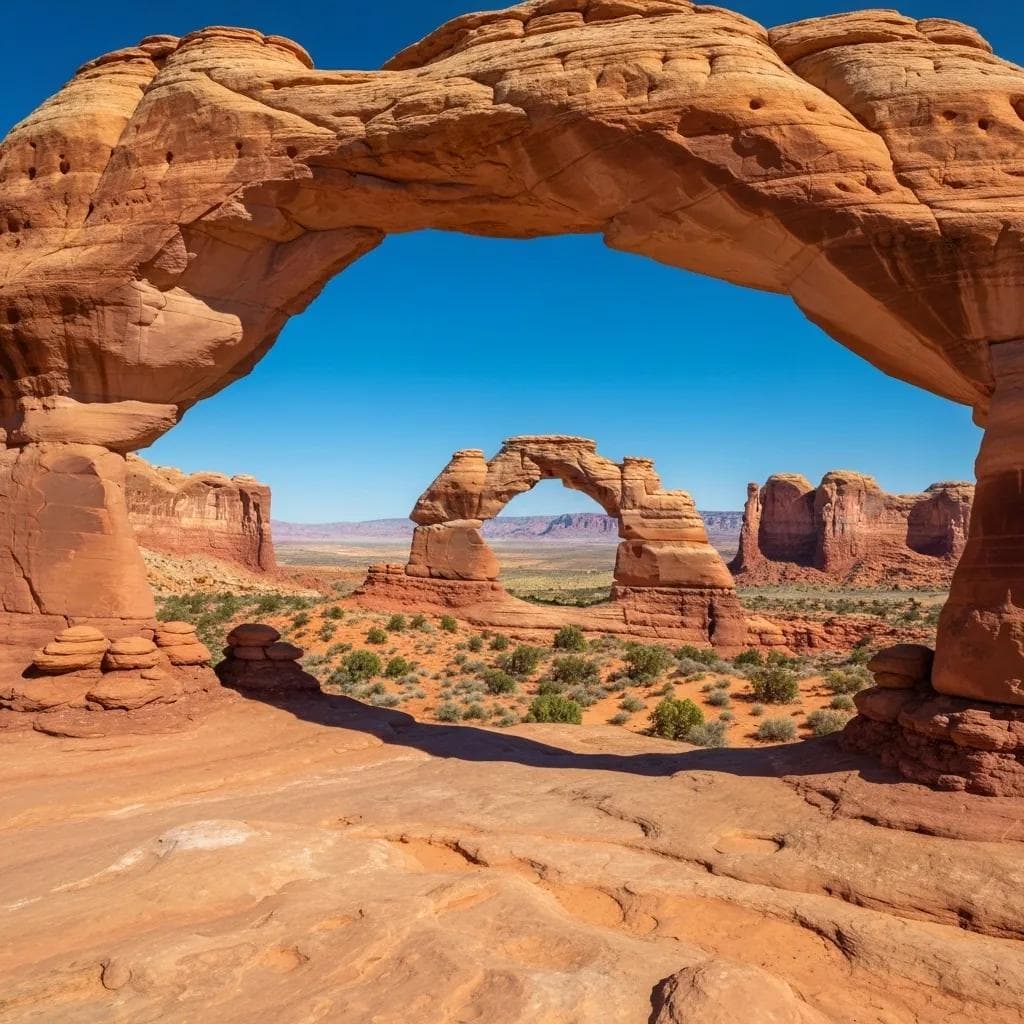
There is no clean answer to the Southwest's overcrowding problem, and the fact that the National Park Service just proved it at Arches makes this the right moment to weigh every option on the table. In February 2026, the NPS announced it was eliminating the timed-entry reservation system at Arches, along with Glacier, Mount Rainier, and Yosemite. That decision reopened the door for spontaneous road trips to one of the most recognizable landscapes on earth, but it also lit a fuse under a debate that has been smoldering for years: if timed entry is off, what actually works?
How Arches Got Here
The timed-entry pilot at Arches launched in 2022 as a direct response to runaway visitation numbers. Annual visits to the southeast Utah park had climbed 73.6% over the previous decade, peaking at just over 1.8 million people. The system ran for four years before the NPS shelved it. What makes the 2026 cancellation sting for conservationists is the context around it: Arches has lost roughly a quarter of its staff since January 2025, which means the rangers who remain may spend their days directing traffic and clearing up messes instead of managing the land. As one park advocate put it, "We're going to have fewer and fewer people to try to keep track of all the impacts happening and to repair them. It's just a recipe for disaster."
The spontaneity argument is real, though. Locals near Moab had long complained that timed entry made a casual afternoon visit to the park impossible during peak hours. And the NPS is not simply walking away: park officials are adding seasonal staff and deploying on-the-ground traffic controls. Their practical advice for 2026 is to arrive before 8 a.m. or after 3 p.m. to avoid the worst congestion. The beloved trailheads and parking lots will still fill on busy weekends, with or without a reservation system.
Zion Takes a Different Road
While Arches ditches its system, Zion is demonstrating what a layered approach looks like over time. General park entry at Zion requires no timed reservation in 2026, but the park has built a pair of proven tools around that open access.
The shuttle system, which launched in 2020, has now logged more than 100 million rides. Private vehicles are restricted from Zion Canyon Scenic Drive during peak season, so the shuttle is not optional for most visitors, it is the road trip. That pivot from car-centric to shuttle-centric access is the single biggest crowd management tool the park has. Bryce Canyon runs a comparable system from its gateway town, and both parks show that mandatory shuttles can absorb enormous visitor loads without shutting out spontaneous travelers entirely.
The second layer is the Angels Landing permit lottery, which has been operating since 2022 on a trail less than three feet wide with 1,000-foot drop-offs on either side. Zion Superintendent Jeff Bradybaugh has credited the program with maximizing hiker numbers while genuinely reducing dangerous congestion. That trail-specific permit model is worth watching closely as other parks face similar bottlenecks.
Despite all of this, local Washington County officials have repeatedly voted against implementing broader timed entry at Zion, citing economic concerns for gateway communities. Former Zion superintendent Donald Falvey disagrees with that position and has been direct about it: "The time has come for Zion National Park to implement its own timed entry system to benefit the visitors, the park's resources, and the gateway communities, as well." He draws the comparison to restaurants and concerts, arguing that reservations are already a normal part of how people plan experiences.
The Fee Argument and Its Limits
Raising prices is the other lever everyone reaches for, and in 2026 it has already been pulled, at least for international visitors. Starting January 1, non-U.S. residents now pay an additional $100 per person at 11 of the most-visited parks, including Zion and Bryce Canyon. The annual America the Beautiful Pass for nonresidents jumped from $80 to $250, more than triple the rate for U.S. residents.
The problem with pricing as a crowd-control tool is that the research does not back it up. According to analysis published in Eco-Environment and Health, price elasticity of demand for national parks is relatively low, meaning "considerable increases in entry fees would be needed to reduce visitor numbers substantially." Put plainly: the people who can afford the Southwest adventure trip can mostly absorb a higher entry fee without changing their plans. Pricing tiers create revenue for maintenance backlogs, and that matters given the deferred maintenance crisis across the system, but they are not a reliable substitute for access management.
The Shuttle Gap and What Could Fill It
The most honest assessment of Arches right now came in a letter from a Moab local: "Timed entry was the only feasible option to address the crowding issue. If there were money to implement a shuttle system, I would celebrate the idea of having an electric shuttle for Arches."
That funding gap is the crux of it. Grand County is currently working through feasibility studies for a shuttle connecting Moab and the park entrance. An automated entry lane is also on the list of potential upgrades. Neither exists yet. Until one of those alternatives is operational and funded, Arches is essentially running an experiment in 2026: what does an 1.8-million-visitor park look like with open access, depleted staff, and no queue management? Road-trippers will find out this spring and summer.
What This Means for Your Southwest Trip
The crowding debate is not abstract if you are planning a canyon country itinerary right now. A few practical realities to build your trip around:
- Arches has no timed entry in 2026. Go early or go late, and treat any arrival between 9 a.m. and 3 p.m. on a weekend as a gamble on parking.
- Zion's main canyon is shuttle-only in peak season. That is not a hassle, it is the experience. Plan your day around shuttle stop timing, not a parking spot.
- Angels Landing requires a permit obtained through a seasonal or day-before lottery on Recreation.gov. This is non-negotiable regardless of what else changes at the park.
- The nonresident fee surcharge at Zion and Bryce Canyon is in effect. If you are traveling with international guests, budget the additional $100 per person, per visit.
The broader debate will not resolve itself this season. Timed entry works when it is staffed and funded. Shuttles work when they exist. Fees generate revenue but do not meaningfully thin crowds. The parks that have managed all three simultaneously, Zion being the closest example, are the ones buying themselves time. Arches, heading into peak season with open gates and a leaner crew, is now the test case everyone in this community is watching.
This article was produced by Prism’s automated news system from verified source data, official records, and press releases, then run through automated quality and moderation checks before publishing. The system is built and supervised by the people who set the standards it runs under. Read our full AI policy.
Did this article answer your question?