Timpanogos Cave tours page helps Utah visitors plan a steep hike-in adventure
Timpanogos Cave is a steep, seasonal hike-in cave, so the right tour page matters before you leave American Fork Canyon.
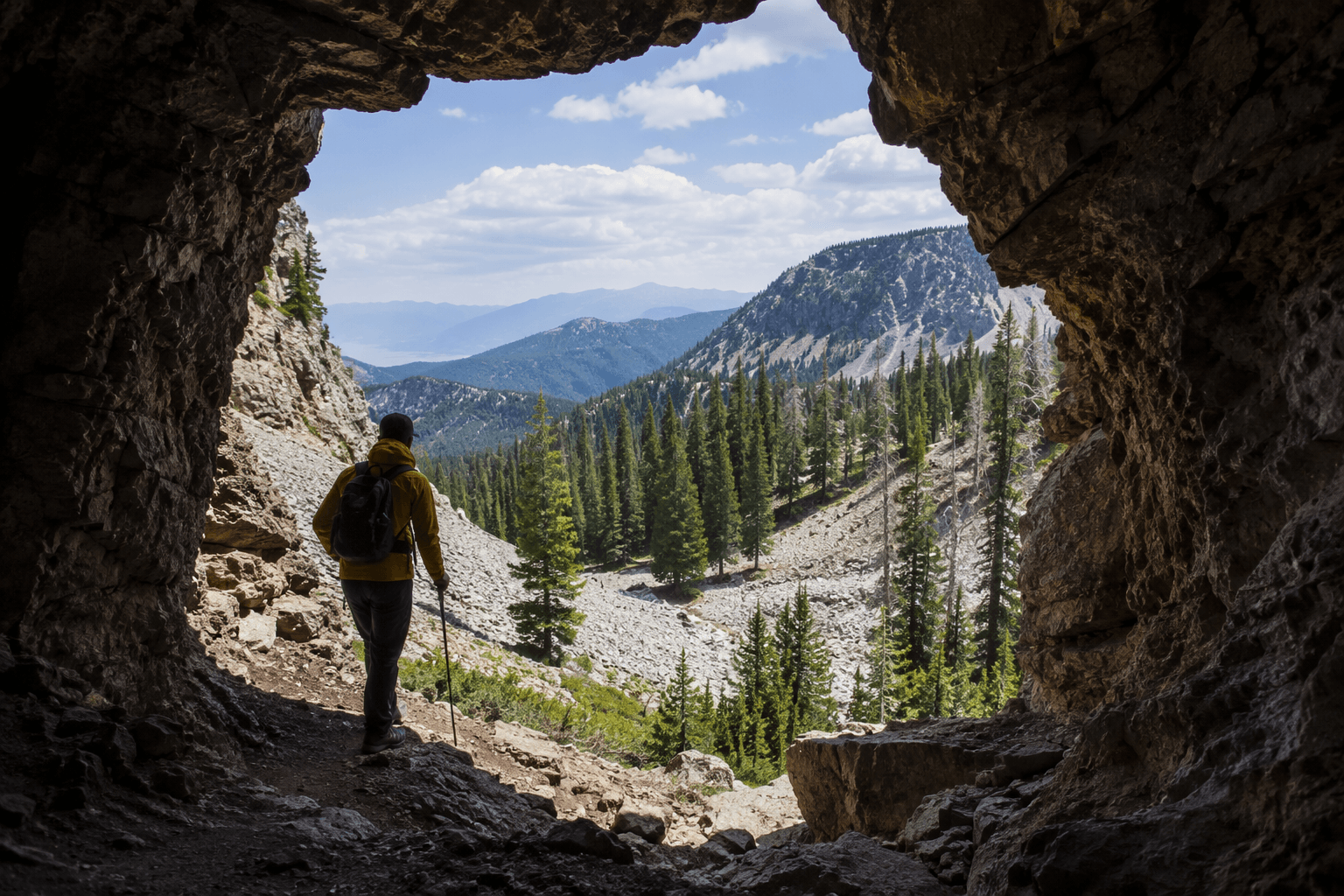
The real planning for Timpanogos Cave starts before you reach American Fork Canyon. The monument’s cave tours page is built for visitors who want the hike-and-cave experience without guessing at the schedule, the climb, or the weather. That matters here because the visit is not a roadside stop, it is a seasonal outing that pairs a 1.5-mile hike with 1,092 feet of elevation gain and a cave that holds at 45 degrees Fahrenheit year-round.
Start with the official tour hub
The National Park Service keeps the cave tours page inside Timpanogos Cave National Monument’s Plan Your Visit section, and that placement tells you exactly how to use it: as the starting point, not the last click before you leave home. It sits alongside separate pages for operating hours and seasons, basic information, fees and passes, accessibility, FAQs, alerts and conditions, and an accessibility tour.
That cluster of pages is useful because this is a place where one question leads to another. If you are looking at tour availability, you are also looking at staffing, seasonal operating windows, weather, trail conditions, and whether the monument is offering the kind of experience your group can actually finish. The park has even published a news item titled “Timpanogos Cave Trail Reopens,” which is a reminder that access can change enough to require a formal reopening notice.
For practical trip planning, the cave tours page is less about inspiration than about coordination. It helps you line up the hike, the tour, and the rest of your Utah day before you ever point the car toward the canyon.
Know what kind of outing this really is
Timpanogos Cave is not built for a casual wander in and out. The standard experience combines a strenuous hike with an interpretive cave tour, which means the approach trail is part of the attraction and part of the challenge. The National Park Service lists the hike at 1.5 miles long with 1,092 feet of elevation gain, so the physical effort is a major part of the visit.
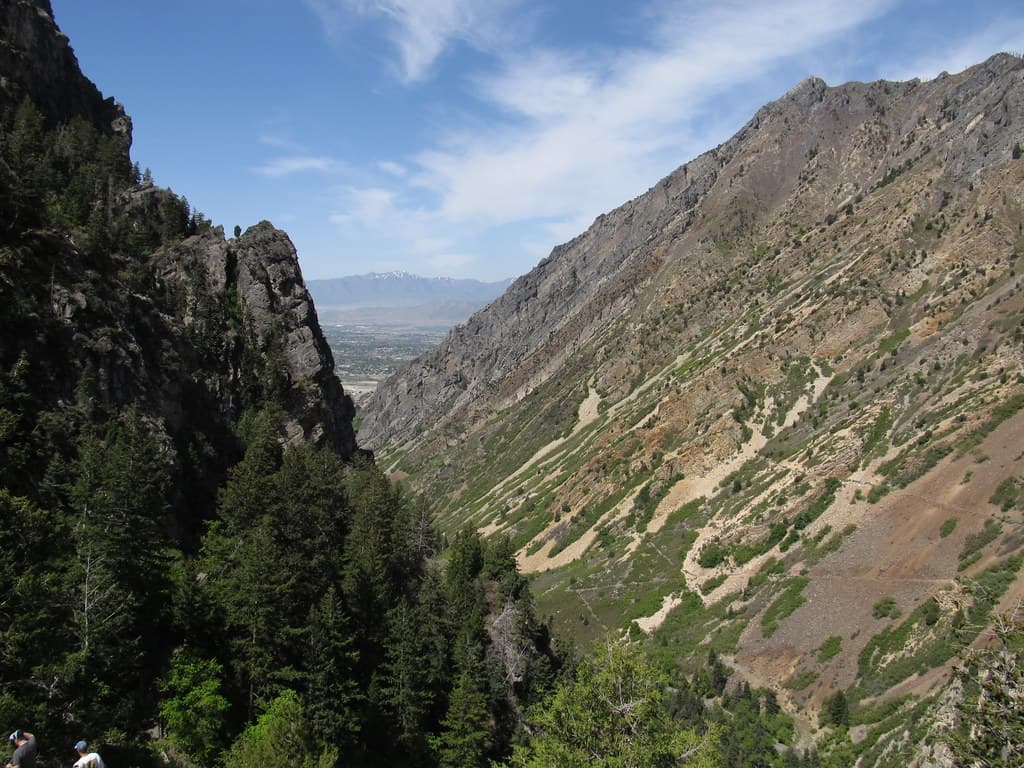
That elevation gain is the detail to weigh if you are coming with kids, first-time visitors, or a group that wants a scenic stop but not a workout. The trail takes you up before you get to the cave entrance, and the monument’s own information makes clear that the experience is shaped by weather exposure and trail conditions as much as by the cave itself. A hot Wasatch day can still feel very different once you are on an exposed climb, and then the temperature drops again when you step into the cave.
The cave temperature stays at 45 degrees Fahrenheit all year, which is one of the easiest trip-planning facts to forget and one of the most useful to remember. Even in midsummer, the cave stays cool, so a visitor who packs only for trail heat can end up chilly inside. The smartest mental model is simple: plan for an uphill hike first, then a cold cave second.
Use the seasonal schedule to avoid a wasted drive
This is a seasonal attraction, not a year-round drop-in cave stop, and that distinction is what makes the official pages so valuable. The monument’s operating hours and seasons page exists because tours depend on staffing and environmental conditions, not just on whether you feel ready to go. If you build a Utah itinerary around scenic byways, national parks, or alpine trails, Timpanogos Cave can fit as a half-day or full-day add-on, but only after you confirm the tour schedule.
That is especially important for travelers crossing the Wasatch Front or basing themselves in Utah Valley. The cave can be a memorable side trip from either direction, but it works best when it is planned as a timed destination rather than a spontaneous detour. The monument’s own pages are set up to answer the questions that keep a day from unraveling: when tours run, what the site requires, and what the access conditions look like before you arrive.
If your trip has a narrow window, the cave tours page and the operating hours and seasons page should be checked together. That one-two punch is what keeps the drive to American Fork Canyon from turning into a long approach to a closed or unavailable tour.
What to check before you leave
The best way to think about Timpanogos Cave is as a hike-first destination with a cave waiting at the top. That means your day-of logistics should be built around the trail, the temperature shift, and the possibility that conditions have changed since you last looked. The monument’s alerts and conditions page exists for a reason, and the reopening notice for the trail shows that the route can be affected enough to need a formal update.
A practical pre-departure checklist looks like this:
- Confirm cave tour timing against the operating hours and seasons page.
- Check alerts and conditions before driving into American Fork Canyon.
- Expect a steep approach trail with real elevation gain.
- Plan for 45-degree air in the cave, even if the trail is warm.
- Leave enough time for the hike, the tour, and the walk back down.
The cave tours page also works as an expectation-setting tool. Visitors who know the climb is part of the experience are less likely to arrive underprepared, and that matters on a site where trail conditions, weather, and staffing all shape whether the day goes smoothly.
If the standard climb is too much, look at the access pages
The monument does not treat the standard hike as the only way to think about access. Its official pages also point visitors to an accessibility tour and a separate accessibility page, which makes Timpanogos Cave a good example of a park trying to broaden the way people can experience the site while still preserving the main hike-in route.
That is useful for families and mixed-ability groups because it gives you a place to start the conversation before you commit to the trail. If the full climb is realistic, the cave tour can be a strong addition to a Wasatch day trip. If it is not, the accessibility information lets you sort that out before you are halfway up the mountain with the wrong expectations.
Timpanogos Cave rewards the people who treat the cave tours page like the first step of the outing. Check the schedule, respect the climb, pack for a cold cave after a steep hike, and the day has a much better chance of becoming the kind of Utah adventure that feels earned on the way up and memorable on the way down.
This article was produced by Prism’s automated news system from verified source data, official records, and press releases, then run through automated quality and moderation checks before publishing. The system is built and supervised by the people who set the standards it runs under. Read our full AI policy.
Did this article answer your question?