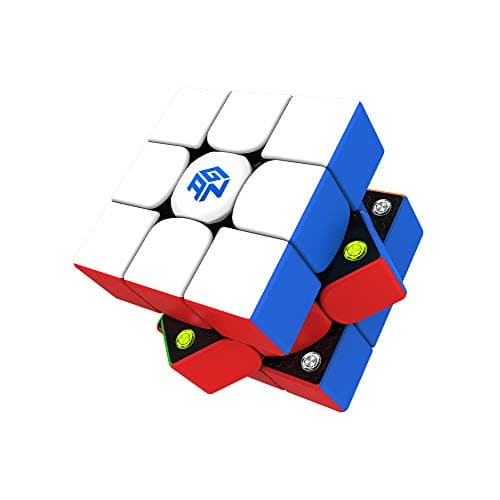
Cuboss review hub lets speedcubers compare cubes by performance metrics
Cuboss turns cube shopping into a filterable comparison, letting speedcubers judge 3x3s, big cubes, and side events by the traits that actually matter.
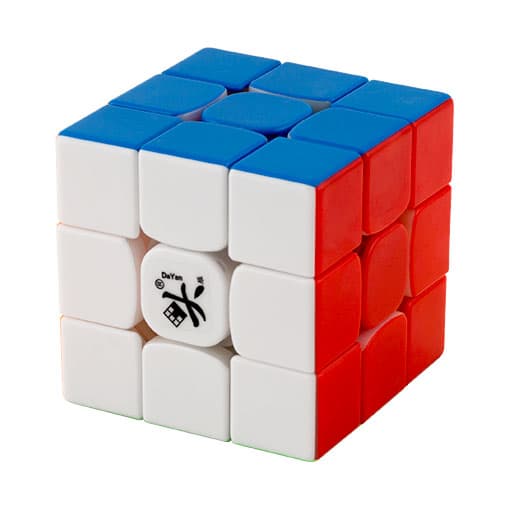
Cuboss’s review hub solves a problem every cuber knows: too many cubes, too many opinions, not enough structure. Instead of forcing you to pick from a blunt top-ten list, it lets you compare puzzles by the traits that decide whether a cube feels fast, controllable, and worth your money.
A review hub built for real buying decisions
The page is designed as a quick overview of which cubes are good, but its real strength is that it breaks the market into useful questions. A beginner is usually looking for forgiveness, stability, and easy control, while a more advanced solver is tracking speed, lubrication feel, and how a cube handles aggressive turning. Cuboss gives you a way to compare those needs without pretending one “best cube” fits everyone.
That matters because speedcubing hardware is not a one-needle market. A cube that flies on a 3x3 average may feel too loose for a newcomer, while a puzzle that feels safe and stable can hold back someone chasing faster times. The hub is useful precisely because it treats the buying process like a choice among tradeoffs, not a loyalty test to one brand or one flagship model.
What you can sort, and why that matters
Cuboss organizes the review hub across the main WCA-style event categories: 3x3, 2x2, 4x4, 5x5, 6x6, 7x7, Pyraminx, Skewb, Megaminx, Square-1, and Clock. That spread matters because the right hardware changes sharply from event to event. A cube built for raw speed on 3x3 is not automatically the right pick for a bigger cube where stability and consistency take on more weight.
The sorting tools make the page more than a gallery of ratings. You can compare average score, speed, pop resistance, corner cutting, lock resistance, corner twist resistance, feel, quality, and value. That is the kind of layout that helps you answer different shopping questions depending on where you are in the hobby: fast 3x3 for competition, lower lockups for long practice sessions, or better feel and quality if you care more about comfort than pure times.
This is why the hub works better than a single headline ranking. It lets you look at a cube through the lens that matches your solving style, so you are not stuck buying whatever sits at the top of a generic list.
Why it works for newcomers, upgraders, and event specialists
For a newcomer, the most useful part of a page like this is that it turns a crowded, brand-heavy market into something navigable. Instead of staring at dozens of near-identical products, you can sort by the performance trait you actually understand, then narrow from there. That is a better entry point than learning cube jargon from scattered reviews and forum posts.
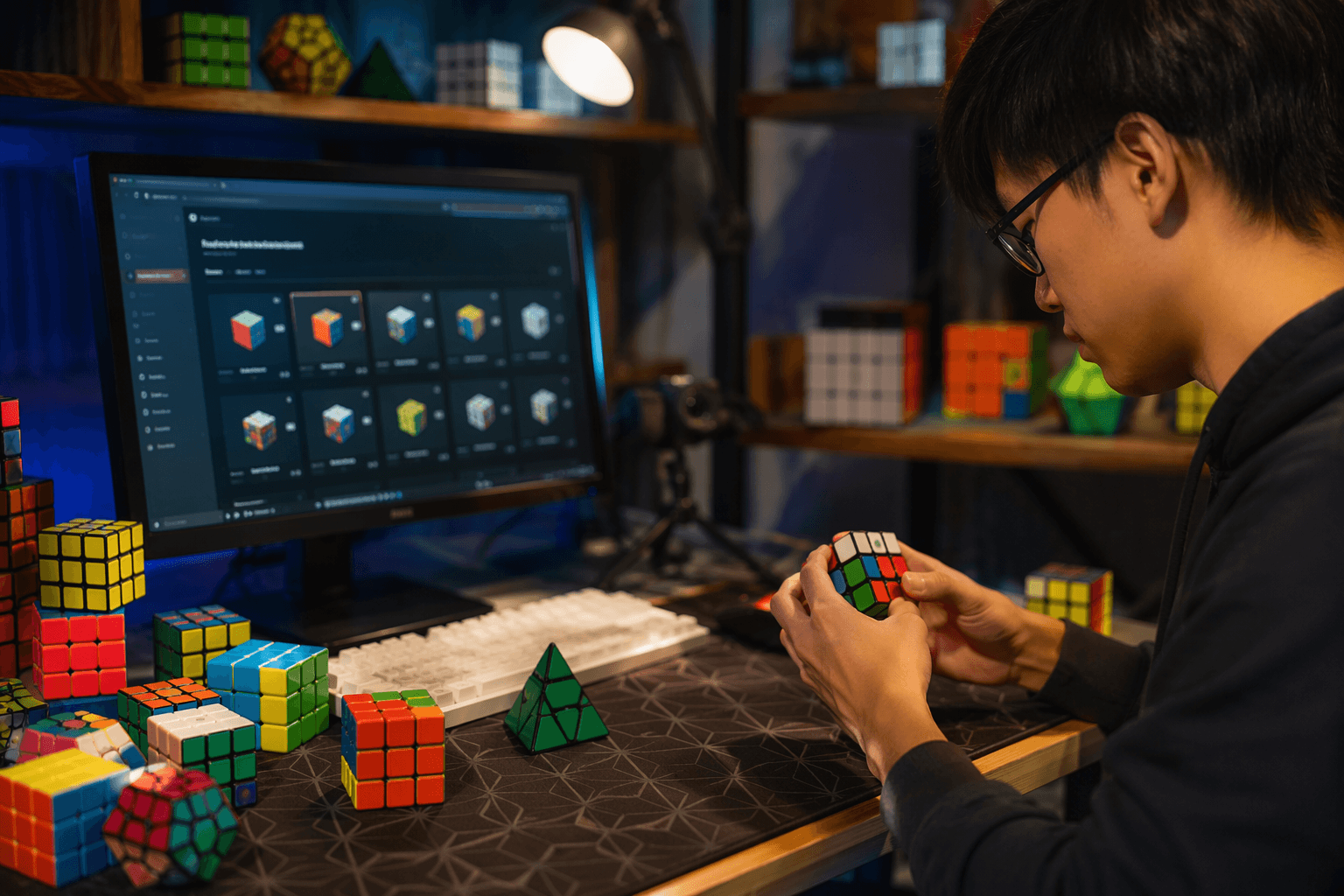
For an upgrader, the value is even clearer. If you already know your current 3x3 feels too sluggish or locks up under hard turns, the hub gives you a direct way to compare speed and lock resistance against the rest of the field. For event specialists, the category split is the big win: Square-1, Clock, Megaminx, and big cubes all demand different hardware priorities, so event-specific comparison saves time and keeps you from overbuying on the wrong metric.
Cuboss also says its speedcubing section goes beyond the review page itself. It includes information on how to compete, competition pages, frequently asked questions, recommendations, and a quiz to help users choose a cube. That broader setup makes the review hub feel less like a dead-end product page and more like part of a larger decision tree for the sport.
A community-driven system, not a static list
The review system is also tied to user feedback. Cuboss invites users to leave comments or contact the company through Facebook, Instagram, and YouTube, which points to a hub that can evolve with what cubers are actually using and discussing. On the product side, the company’s listings often show dozens to hundreds of user reviews, so the page sits inside a wider pool of community-driven evaluation rather than relying on a single editorial verdict.
That matters in speedcubing, where small setup differences can change how a puzzle feels in hand. A cube’s raw spec sheet tells you almost nothing about whether it will suit your turning style, your break-in preferences, or the amount of tensioning you like. A review hub that collects multiple performance dimensions gives the community a shared reference point, which is a lot more useful than chasing isolated praise for one model.
Cuboss’s own store framing supports that role too. The company presents itself as a European speedcube shop shipping from Sweden, with worldwide shipping from €4.99 and a 1-year warranty. One shop listing shows 508 results across products, which is a good reminder that the review hub is sitting in front of a large catalog, not a tiny niche selection.
How it fits the WCA world
The reason this kind of page lands in speedcubing is that the event structure itself is broad. The World Cube Association governs official competitions for twisty puzzles, and its regulations list the core official events as 3x3x3, 2x2x2, 4x4x4, 5x5x5, 3x3x3 One-Handed, Clock, Megaminx, Pyraminx, Skewb, and Square-1. WCA Live says competitions can include up to 17 official events, with cubes ranging from 2x2x2 up to 7x7x7.
That breadth makes a sortable review page more than a convenience. When one competition can include multiple events and different cube sizes, buyers need a way to compare event-specific hardware on more than one dimension. Cuboss’s hub does exactly that: it turns a cluttered marketplace into a usable reference tool, which is what a growing, buyer-friendly speedcubing scene needs when the next cube choice is as important as the last solve.
This article was produced by Prism’s automated news system from verified source data, official records, and press releases, then run through automated quality and moderation checks before publishing. The system is built and supervised by the people who set the standards it runs under. Read our full AI policy.
Did this article answer your question?