SpeedCubeShop guide helps new cubers find WCA competitions
The guide turns first-event nerves into a clear path, showing new cubers how WCA meets work and why the entry point is wider than most people think.
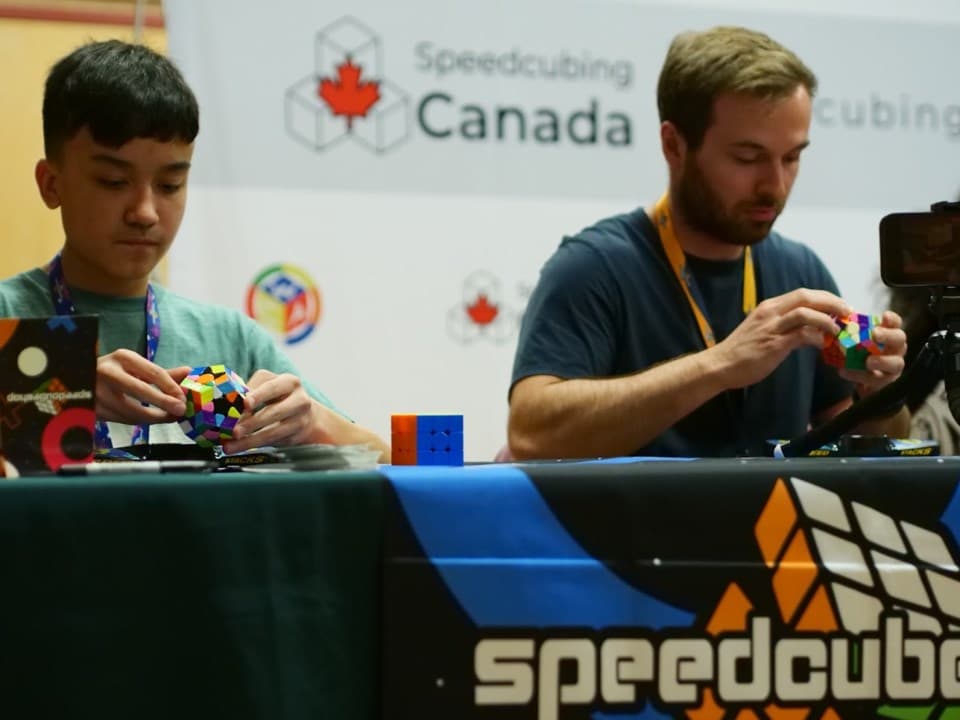
SpeedCubeShop’s competition guide does the most useful thing an onboarding piece can do: it makes a first WCA meet look reachable. A lot of home solvers assume official competitions are only for the absurdly fast, but the guide frames them as a structured, social next step for anyone ready to test their skills in public.
Why the guide lowers the barrier
That framing matters because the biggest friction points in speedcubing are rarely about turning faster. They are about uncertainty: Is this only for top solvers? Will I know the format? Do I need to show up already competitive? The guide answers those questions by putting new cubers and parents at the center, not the edge. It treats a WCA event as a place to compete, make friends, and see the hobby in its official form, which is exactly the kind of language that can pull a casual solver off the couch and into a local scene.
The practical value is in the tone. Instead of selling competitions as some elite proving ground, it presents them as a normal part of the hobby. That is the difference between a reader scrolling past and a reader actually checking the calendar.
What happens at a WCA competition
The guide also demystifies the meet itself. WCA competitions are timed, ranked, and run under WCA rules, so the event has structure from the first solve to the posted results. That structure can sound intimidating if you have only solved at home, but it is also what makes the experience legible. You are not wandering into a free-for-all. You are entering a format with clear rounds, volunteers, and official timing.
One detail that matters for newcomers is the scoring format. Most competitions use multiple solves per round, and official results are built from an averaged format. That is why a competition sheet can look more complicated than a casual home session, where you just stop the timer and move on. The guide helps new cubers understand that complexity before they arrive, which cuts down on the kind of first-day confusion that can make an event feel bigger than it really is.
That explanation is especially important for families. If you are bringing a younger cuber, or supporting one from the sidelines, knowing that rounds are organized and repeatable makes the whole thing feel less like a leap into the unknown.
Who can compete, and what the rules actually say
The WCA’s own regulations make the door wider than many beginners expect. Any person may compete as long as they comply with the regulations, meet the announced competition requirements, are not suspended, and follow reasonable safety measures. Competitors under 18 must get consent from a parent or guardian to register and compete. That combination is simple, but it removes two of the most common myths around first-time events: you do not need to be a veteran, and you do not need to be an adult to belong there.
The current regulations version shown on the WCA site is dated April 1, 2026, and the organization says the regulations now fully combine what used to be separate regulations and guidelines documents. That matters for beginners because it reduces the “where do I even start?” problem. There is one rule set to follow, and it applies to official competitions for mechanical puzzles operated by twisting groups of pieces, the classic twisty-puzzle universe that most cubers already know.
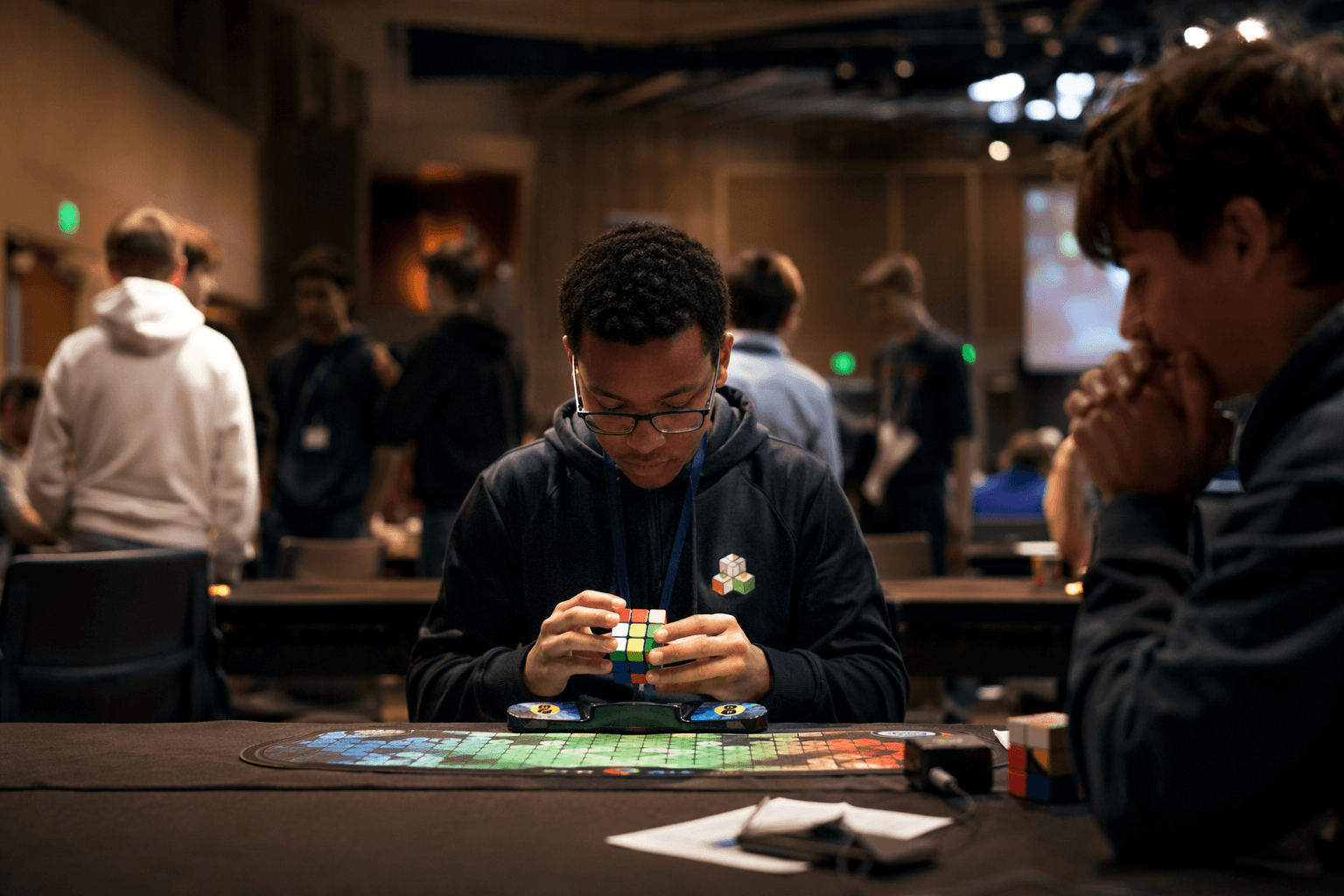
For a newcomer, that clean rule structure is part of the attraction. It tells you that the sport is open, but not loose. The entry requirements are clear, the expectations are public, and the competition is designed to be navigable rather than exclusive.
How the calendar turns curiosity into a first event
The other strong move in the guide is that it turns abstract interest into a concrete next step. The WCA competitions page currently lists competitions worldwide, with live events and upcoming events, and the WCA Live platform is used for running competitions and sharing live results. That means a new cuber is not left wondering whether events exist nearby. The path is visible, current, and trackable.
That visibility is not theoretical. On July 2, 2026, the WCA competitions page showed the Rubik’s WCA North American Championship 2026 in Raleigh, North Carolina, and the Slovak Championship 2026 in Ladce in progress, with more than 20 upcoming competitions listed. That is a strong signal that the circuit is not some rarefied scene hidden in a few big cities. It is active, distributed, and still growing.
For beginners, that density changes the decision. A competition is less of a once-in-a-lifetime excursion and more of a thing you can actually plan around. That is how a guide like this helps the hobby grow locally: it gives people permission to see an event not as a leap, but as the next meet on the calendar.
A scene with deep roots and a shifting roster
The WCA’s history gives the guide even more context. The organization traces the community back to the MIT Cube Lovers mailing list in July 1980, then points to the World Rubik’s Cube Championship in 1982 as the first major competition. It also marks the first official WCA competition in Asia, held in Kyoto, Japan, in July 2005. That arc matters because it shows how long the hobby has been moving from informal solving to organized competition.
The event list is still evolving. On June 24, 2026, the WCA announced that Face Turning Octahedron will become an official event on January 2, 2027. On the same day, it said Clock will be removed from the official events list, while remaining generally available until July 18, 2027. Even for a beginner-focused guide, that is useful context: the competition pipeline is alive, and the official event mix keeps changing as the scene develops.
That is the larger win here. The guide does not just explain how to find a competition. It removes the social and procedural friction that keeps home solvers on the sidelines, then shows them a real circuit with rules, volunteers, live results, and events already happening in places like Raleigh and Ladce. When a first WCA meet stops feeling like a closed club, more cubers are likely to walk through the door.
This article was produced by Prism’s automated news system from verified source data, official records, and press releases, then run through automated quality and moderation checks before publishing. The system is built and supervised by the people who set the standards it runs under. Read our full AI policy.
Did this article answer your question?