Hampshire Summer 2026 blends newcomer access with blindfolded cube events
Hampshire Summer 2026 pairs a beginner tutorial, free spectators, and 34 first-timers with 4BLD and 5BLD slots capped for specialists.

Hampshire Summer 2026 is built around a rare balance: it welcomes first-time competitors without softening the meet’s appeal for blindfold and big-cube regulars. The weekend at Barton Peveril Sixth Form College in Eastleigh, Hampshire, runs June 27-28 with a 140-person cap, a free spectator policy, and a schedule that gives serious cubers real rounds to care about while still giving newcomers a clear on-ramp.
A meet that knows exactly who it is for
The registration list shows the shape of the weekend immediately. Hampshire Summer has room for 140 competitors, and that field is split between 34 first-timers and 106 returners, which is a strong sign that the event is drawing both fresh faces and the people who keep coming back to the regional circuit. The base registration fee is £30, and the organizers set a hard deadline for changes and cancellations at Monday, June 22, 2026 at 10:00 AM PDT. No on-the-spot registrations will be accepted, so the meet is designed to be orderly rather than improvised.
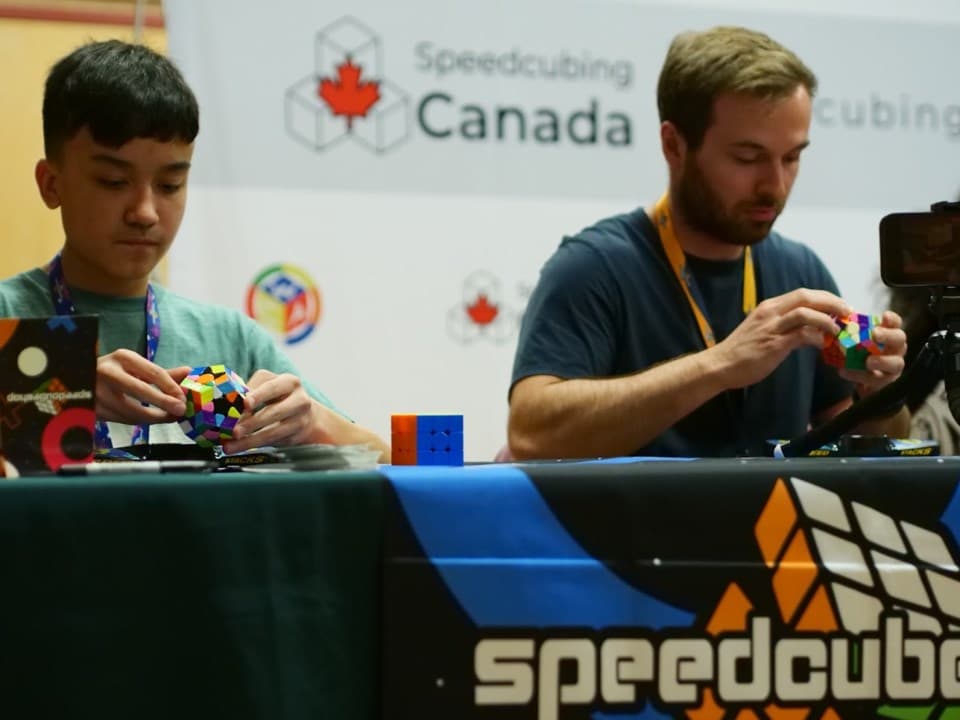
That same structure makes the event feel approachable from the outside. Spectators may attend for free, which matters at a college venue where curious friends, parents, and local visitors can see a WCA meet without paying just to get through the door. The competition page also tells new competitors to read the FAQ and Important Information tabs before registering, a small but important signal that this is a first-competition-friendly meet with clear expectations instead of a maze of unwritten norms.
How the newcomer path is set up
The event pages do more than simply allow beginners in. They actively point them toward the information that makes a first competition less intimidating, with tabs for UKCA FAQ, Important Information, Travel, Groups, 4BLD/5BLD, and KewbzUK. That layout matters because it gives a new cuber a practical route through logistics, while the separate specialty tabs show experienced competitors that the blindfolded side of the meet is being taken seriously.
The schedule goes one step further by including a tutorial for new competitors. In cubing, that kind of session is one of the clearest signs that the meet staff understand the gap between online practice and standing behind a competition table under WCA rules. It is the difference between a weekend that merely allows beginners and one that actually prepares them to compete.
Why the event slate still belongs to specialists
Hampshire Summer is not beginner-only cubing with a few advanced events tucked in at the margins. The WCA page sets a 20-competitor limit for both 4x4 blindfolded and 5x5 blindfolded, and the live schedule leans into higher-order cubes and specialty events with Skewb, Megaminx, 4x4 blindfolded, 5x5 blindfolded, 6x6, and 5x5 all appearing prominently. That is exactly the kind of programming that keeps blindfolded specialists engaged while also making the weekend feel like a full WCA meet rather than a novelty stop.
The live-results setup reinforces that sense of scale. Hampshire Summer is listed through WCA Live, which means the meet is plugged into the standard infrastructure that cubers use to follow rounds as they happen. For a regional event, that matters: the competition is being run with the same public-facing rhythm that players expect from larger meets, even as it keeps its local, welcoming tone.
What the wider WCA calendar says about this moment
The Hampshire meet lands in a period when the WCA’s event slate is changing slowly at the top even as local meets keep adapting underneath. On June 24, 2026, the WCA announced that Face Turning Octahedron will become an official event from January 2, 2027, while Clock will be removed after the 2027 World Championship. The same announcement says FTO is the first new official event since Skewb was added in 2014, which is a reminder of how rare real slate changes are in this sport.
That backdrop makes Hampshire Summer feel especially current. The competition is not waiting for the global calendar to shift before deciding how to serve its own scene. Instead, it is showing one practical model for regional cubing right now: broad entry, clear logistics, and enough advanced events to make blindfolded specialists and big-cube solvers feel at home.
A useful comparison with earlier Hampshire meets
The Barton Peveril venue already has a track record. Hampshire Winter 2024, held at the same college, drew 135 competitors and used a 25-competitor first-come, first-served cap for both 4BLD and 5BLD. Hampshire Autumn 2025 at the same venue drew 137 competitors and tightened the blindfolded limit to 20 for both events, which is the same cap used for Hampshire Summer 2026. That progression suggests an organizer group that has learned how to keep the specialty events alive without letting them swallow the weekend.
The contrast with Kewbz UK Blindfolded Championship 2026 in Birmingham makes the point even sharper. That meet describes itself as a specialist Big Blind and Multi-Blind competition, says it is not recommended for newcomers, and excludes traditional speedcubing events altogether. Hampshire Summer takes the opposite route: it keeps the full regional-meet feel, welcomes first-timers, and still protects space for the blindfolded rounds that matter to advanced cubers.
The people running the meet match that balance. Hampshire Summer 2026 is organized by Henry Tear, Sophie Gilbert, and the UK Cube Association, with AJ Nicholls, Ben Ridley, Bertie Longden, Oliver Hexter, and Sean Moran listed as WCA delegates. Barton Peveril Sixth Form College, at Chestnut Avenue in Eastleigh, remains the kind of school venue that can carry a whole community weekend, and Hampshire Summer uses it the way the best regional meets do: as a doorway for newcomers and a proving ground for specialists at the same time.
This article was produced by Prism’s automated news system from verified source data, official records, and press releases, then run through automated quality and moderation checks before publishing. The system is built and supervised by the people who set the standards it runs under. Read our full AI policy.
Did this article answer your question?