Strange in La Grange 2026 expands speedcubing beyond WCA rules
Strange in La Grange mixed official WCA podiums with unofficial events like 8x8x8 Cube and 2x2x2 Blindfolded, all inside a 23-cuber field.
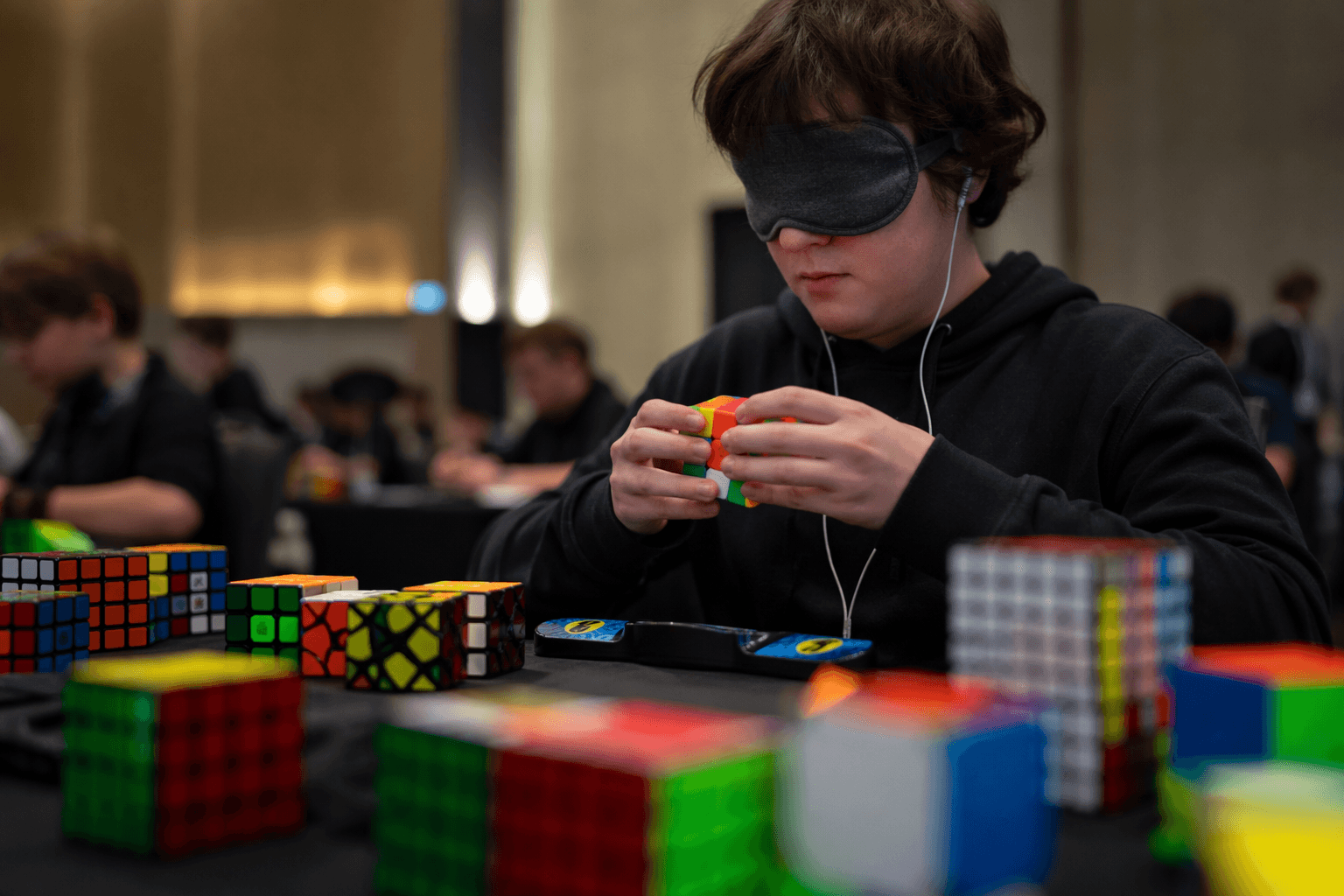
A 23-cuber field in La Grange, Kentucky got something rarer than a standard results sheet: a meet that split its identity between official WCA solving and a deep bench of unofficial side events. Strange in La Grange 2026, held June 14 at the James T. Beaumont Community Center, was billed as not a standard competition, with the majority of events run through Cubing Contests instead of the usual WCA-only template.
That unofficial slate was the point. Cubing Contests, which hosts unofficial Rubik’s Cube competitions, unofficial events at WCA competitions, speedcuber meetups, and other speedcubing events, handled results and rules for a schedule that stretched from 5x5x5 Mirror Blocks and 4x4x4 Mirror Blocks to 8x8x8 Cube, Rainbow Cube, Megaminx One-Handed, Face-Turning Octahedron, Pyraminx Duo, 15 Puzzle, 2x2x2 Blindfolded, 2x2x2 Fewest Moves, 2x2x2 One-Handed, Pyraminx One-Handed, Ivy Cube, Magic One-Handed, and Snake. The format made the meet feel less like a one-off novelty and more like a proof of concept for how a local competition can hold official legitimacy while giving specialty solvers room to play.
The official side still delivered recognizable WCA outcomes. Lucy Grace Bryson won 3x3x3 One-Handed with a 14.27 average and took Clock with a 5.41 average, while Emery McFeeter won Skewb with a 3.37 average. Braden Richards finished second and Kieran Dizon finished third in one-handed, reinforcing that the familiar podium chase was still there for competitors who came for official ranking points and standard events.
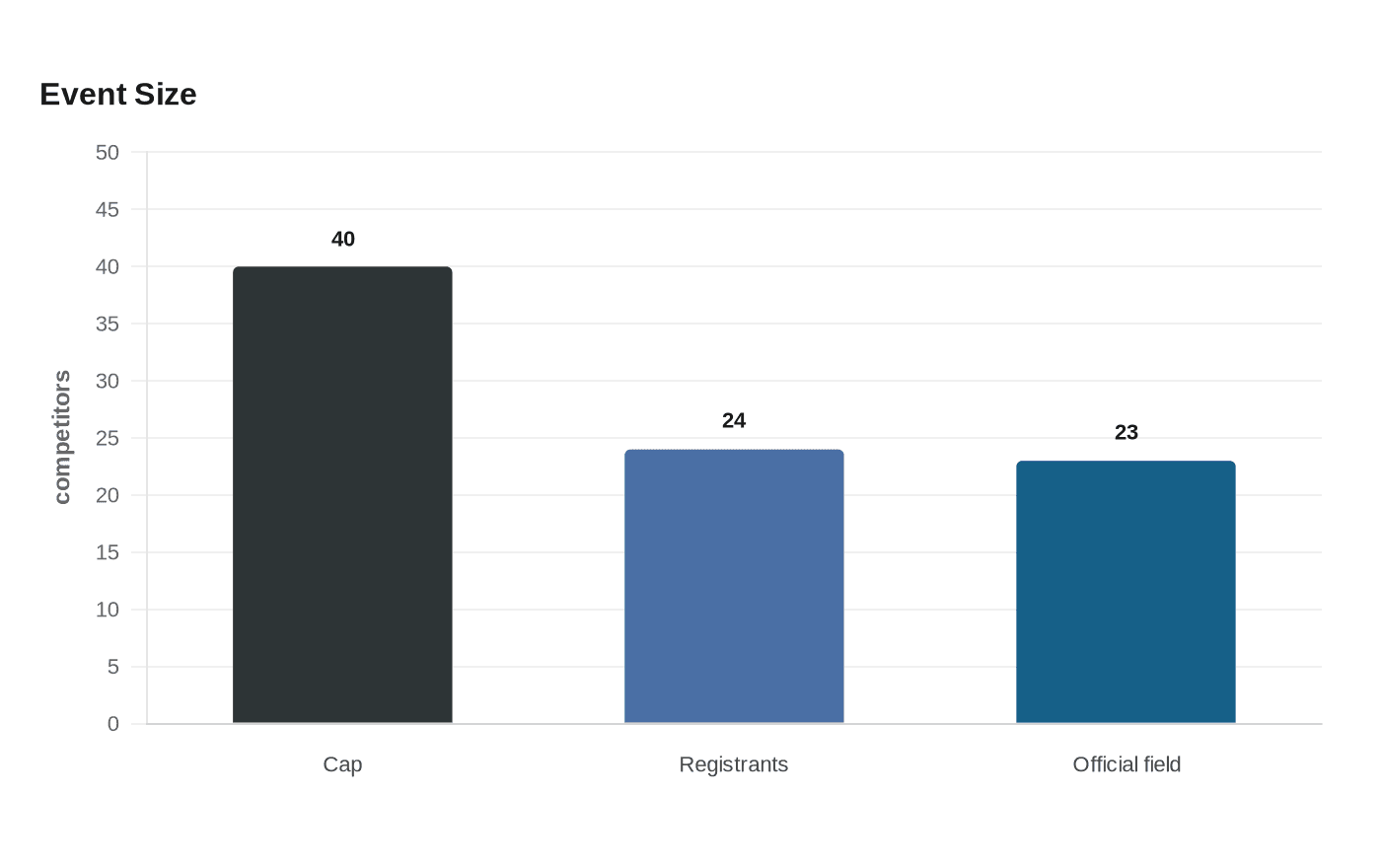
The field itself underscored the hybrid appeal. The WCA page listed a 40-person cap, but the event drew 24 registrants, including 3 first-timers and 21 returners, before settling at 23 competitors on the official results page. The registration list included names that regular cubers will recognize from the circuit, among them Dominic Brandi, Garrett Hadaway, Glenn Koster, Andrew Kopechek, Andrew Sotto, Asher Shores, Benjamin Craft, Brooks Wilamowski, Clara Keith, Eric Dodson, Ethan Kopechek, John Paul Keith, Justin Poole, Logan Michael Morris, Scarlett Keith, Tate Sullivan, and Tommy Stady. With a $20 base fee, a separate signup on the Unofficial Events tab, and a guest limit of two per competitor, the structure clearly favored people willing to treat the weekend as more than a quick in-and-out solve fest.
That is where Strange in La Grange becomes interesting for the wider scene. It gave official competitors a conventional WCA stage, but it also gave newer cubers, niche-event specialists, and local organizers a place to build something looser, weirder, and easier to share. In a summer calendar that also included Oldham County Summer 2026 in La Grange six days later with a larger cap and a different venue, the message was clear: the future of small competitions may be the ones that can hold both a podium and a 8x8x8 Cube without flinching.
This article was produced by Prism’s automated news system from verified source data, official records, and press releases, then run through automated quality and moderation checks before publishing. The system is built and supervised by the people who set the standards it runs under. Read our full AI policy.
Did this article answer your question?