Tokyo Summer 2026 caps field at 125, demands volunteer judging
Tokyo Summer 2026 capped the field at 125 and turned idle competitors into judges and scramblers, even in finals.

Tokyo Summer 2026 packed a lot of ambition into a single day at Ota ward plaza, where Kurukurukai ran the meet on June 13 in Ota, Tokyo. With a hard ceiling of 125 competitors, 39 bookmarks on the competition page, and the main floor set in the venue’s exhibition room instead of a convention hall, the event looked built for efficiency as much as for fast solves.
That scale made the logistics part of the story. Tokyo Summer 2026 was not a casual drop-in meet: there were no on-the-spot registrations, spectator admission cost ¥1,000, and the base event fees climbed as competitors added events. In practice, that pointed to a pre-planned local competition designed to stay orderly while still accommodating a substantial field for a single-day meet.
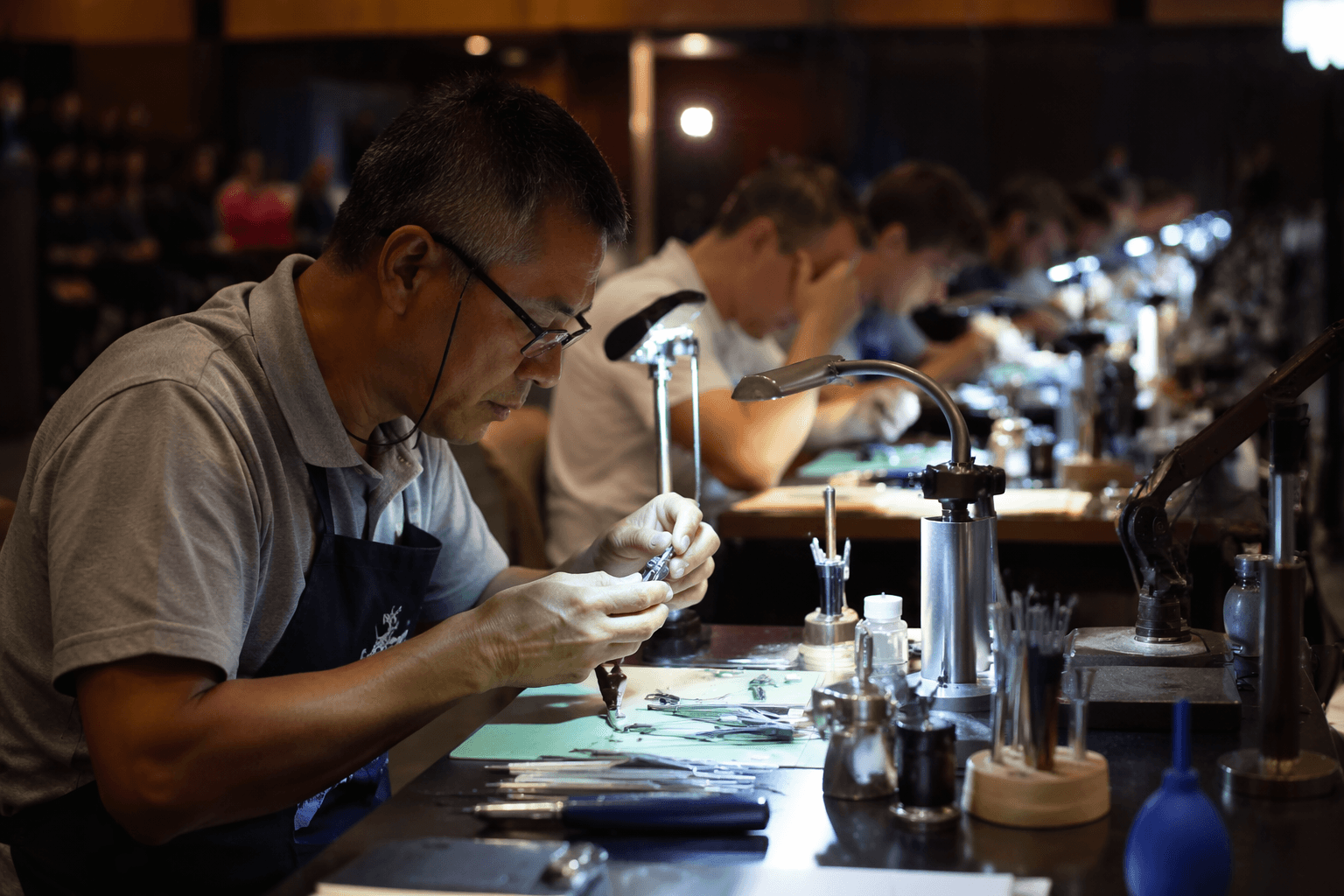
The event page also made clear that the day would depend on volunteer labor from the people competing. Solvers who were not on the floor were expected to judge and scramble, including during finals, and failing to take on those duties could lead to disqualification. That is a blunt reminder that a speedcubing competition does not run on entries alone. It runs on the same people who are chasing averages, checking call-ups, and keeping the next group of solves on time.
Tokyo Summer 2026 also drew a hard line around newcomer expectations. First-time competitors had to provide identification, and lateness could carry serious consequences under WCA regulations. Those rules matter because they show how Japanese competitions are managing growth: not by making the event feel loose or informal, but by folding new cubers into a system where check-ins, judging, scrambling, and punctuality all have to work together.

Taken together, the format said as much about Tokyo’s organizing capacity as it did about the solves themselves. A 125-cuber meet in an exhibition room only works when the volunteer load is distributed across the field, and when competitors understand that their own rounds are tied to everyone else’s. Tokyo Summer 2026 ended up as a clean test of that bargain: speed on the timer, discipline in the room, and enough community labor to keep the whole day moving.
This article was produced by Prism’s automated news system from verified source data, official records, and press releases, then run through automated quality and moderation checks before publishing. The system is built and supervised by the people who set the standards it runs under. Read our full AI policy.
Did this article answer your question?