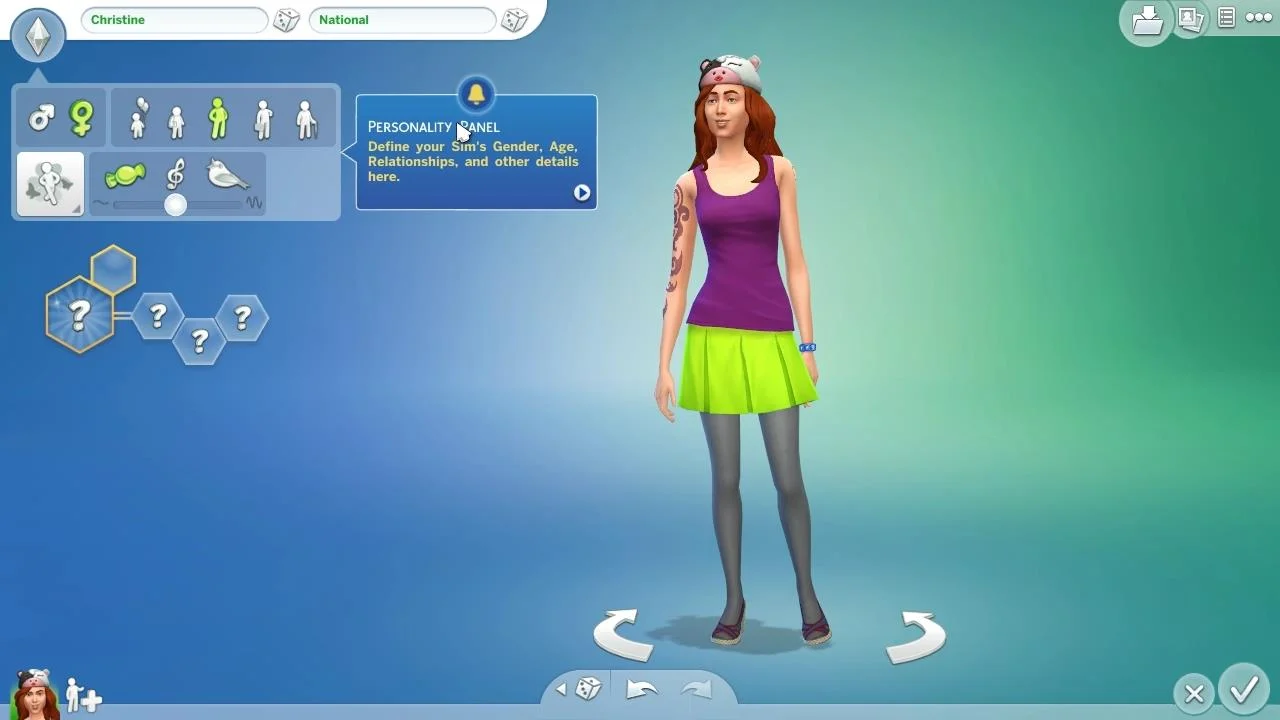
Computer History Museum spotlights The Sims’ lasting systems-driven design
The Sims lasts because it keeps moving when you stop. The Computer History Museum’s look at the series shows how needs, autonomy, and tiny failures turn micromanagement into shareable chaos.
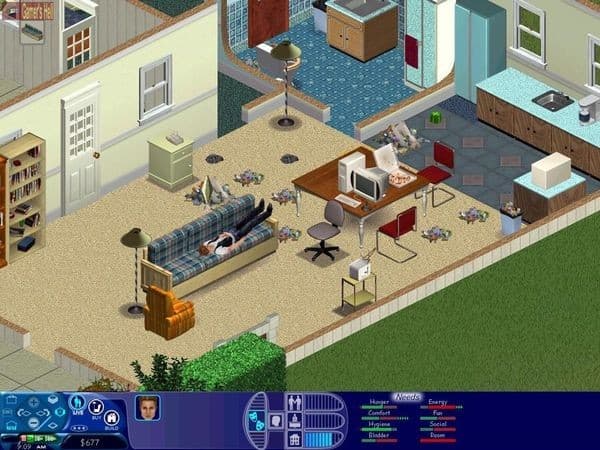
Leave a Sims household alone long enough and trash piles up. That is the premise at the center of the Computer History Museum’s “Keeping it Real(ish): The Sims”: you build homes, create characters, and then the simulation keeps going even when you stop giving orders. The result is a game about meals, showers, and social queues that still produces stories players remember.
A simulation that refuses to sit still

The core loop is simple enough to fit on a sticky note. Sims eat, sleep, bathe, socialize, work, and try to keep the house in order. The twist is that those ordinary routines are wired together as systems, so one neglected need can make everything else harder to manage. Leave the game alone long enough and the world does not freeze.
A Sim who is hungry at the wrong time misses a work shift, the missed shift puts the household under pressure, and the pressure makes every later decision messier.
Why the game creates stories instead of scripts
The Sims has never asked you to win in a clean, objective way. It asks you to manage conditions, then lets the simulation improvise around them. Sims wander off, get distracted, react to each other, and sometimes do exactly the wrong thing at exactly the wrong moment. That is why even a carefully planned house can turn into a comedy of errors once the day starts moving.
Will Wright, who also co-created SimCity, understood that friction from the start. He later said the original Sims AI was “too good,” adding that “almost anything the player did was worse than the Sims running on autopilot.” In a life simulation, that meant tuning the design so player intervention could actually matter. Too much autonomy and the household runs itself; too little and the world stops feeling alive.
Matt Brown of Maxis described that same principle in his GDC talk, “Emergent Storytelling Techniques in The Sims,” first given in 2018 and published by GDC in 2020. Across all four generations of the series, the design has been built to support player-driven and emergent storytelling.
The everyday systems that keep saving stories
What makes The Sims replayable is not a hidden battle system or a fixed set of win conditions. It is the way small domestic systems keep cross-wiring into one another. Needs, objects, pathfinding, scheduling conflicts, and social reactions all push back against the player’s plans.
A few of the most reliable story chains look like this:
- A Sim gets hungry, leaves a task unfinished, and the household schedule starts slipping.
- A bathroom run collides with a work shift or social invitation, and the player has to choose what to drop.
- Two Sims react badly to each other, and a routine evening turns into a mess of interrupted actions and bad moodlets.
- The player steps away, and the house keeps accumulating consequences, from chores left undone to a trash pile in the corner.
These are mundane, legible systems. You can see exactly why the household is unraveling, which makes the chaos feel authored even when it is not.
Why The Sims still feels unusually replayable
That structure gives the series a flexibility most games never need. A builder can treat it like an architectural toy, chasing perfect floor plans and furniture layouts. A storyteller can use it as a domestic soap-opera machine, where personalities and schedules produce the drama. A chaos player can test how far a household gets with minimal intervention before the whole thing derails.
The original game launched in February 2000, and 2025 marked the franchise’s 25th anniversary. EA said the series had grown into a community of 500 million-plus people. EA said in 2023 that The Sims 4 had more than 70 million players worldwide and had become the most widely played game in the franchise’s 23-year history.
The Sims 4 went free-to-play in September 2022. By February 2025, the franchise had sold 200 million copies. By April 2008, the series had crossed 100 million units worldwide and generated around $4 billion in sales.
The museum piece and the bigger design legacy
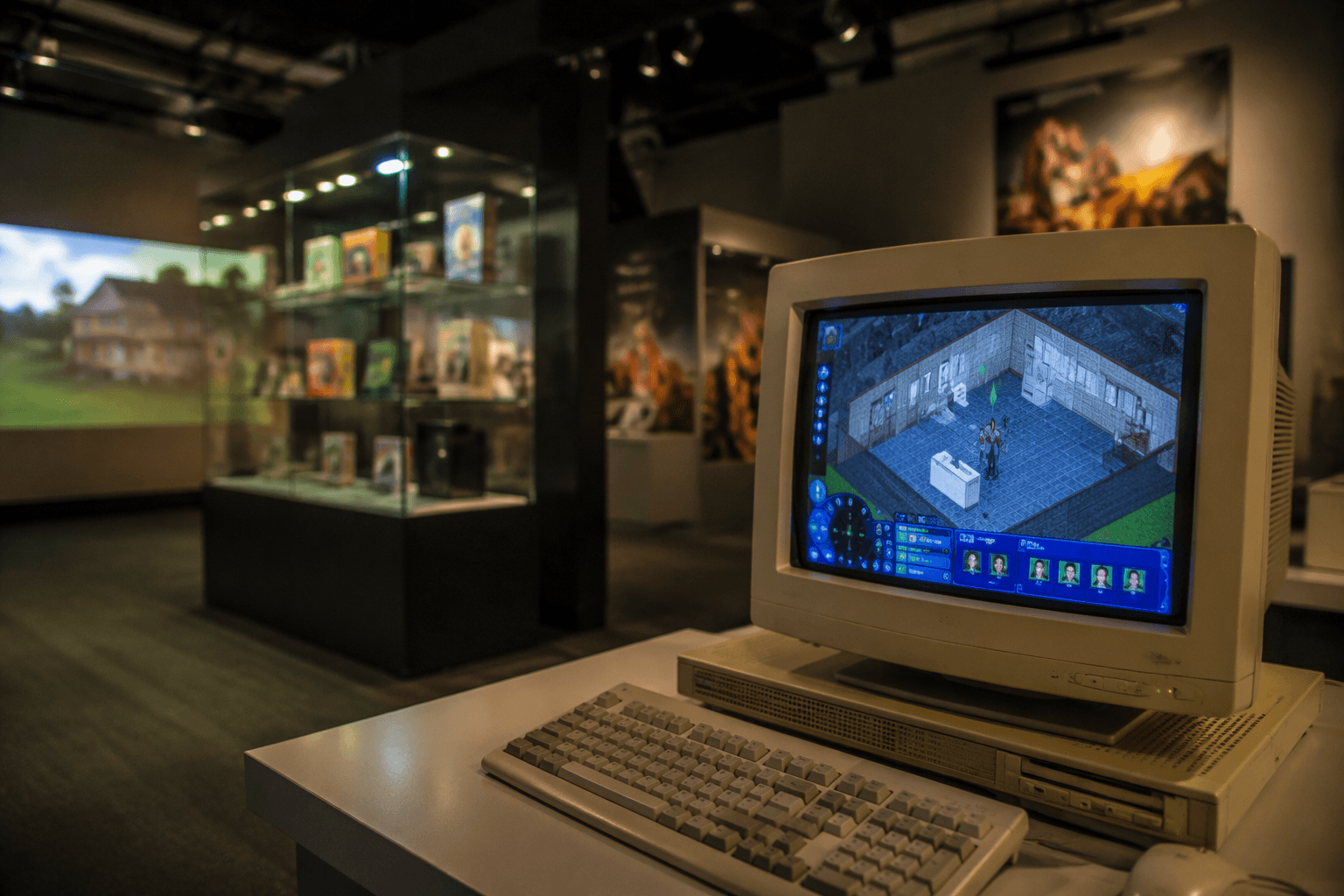
The Computer History Museum highlights Wright’s November 2003 lecture on AI, simulation, and the future of the industry, placing The Sims inside a longer line of design thinking that started with SimCity and kept doubling down on systems over scripting.
This article was produced by Prism’s automated news system from verified source data, official records, and press releases, then run through automated quality and moderation checks before publishing. The system is built and supervised by the people who set the standards it runs under. Read our full AI policy.
Did this article answer your question?