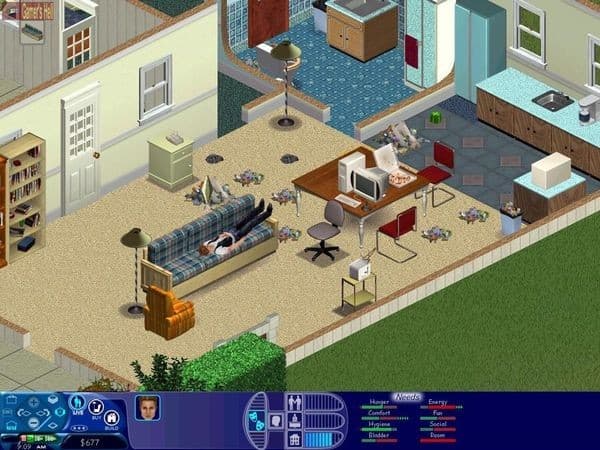
How The Sims 4 lets you create, build and tell stories
The Sims 4 starts with a Sim, a house and a few needs, then turns that simple loop into building, roleplay and stories that can run for years.
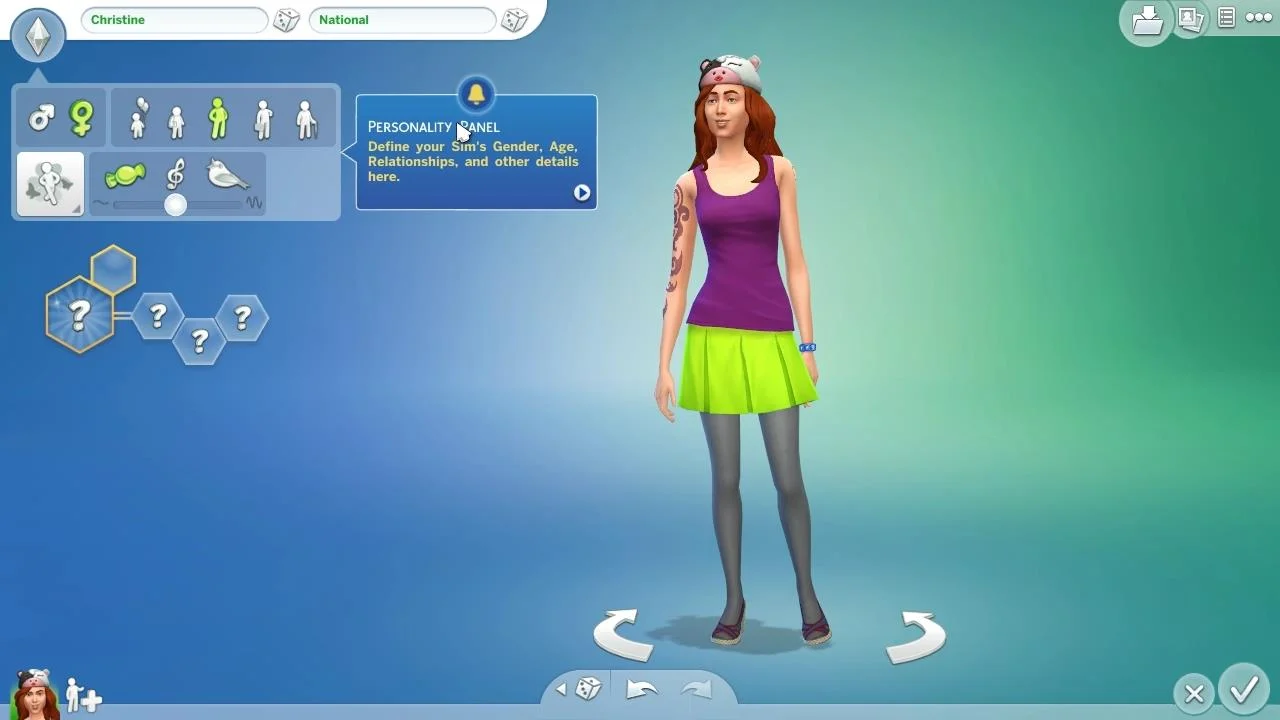
The Sims 4 gives you a clear first-session loop: make a Sim, move them into a home, and start shaping the life that follows. From there, the game lets you juggle daily needs, rebuild spaces, and steer the household toward whatever story you want to see happen. That is the real appeal for builders, storytellers and anyone who likes watching a plan turn into a disaster at the speed of one bad moodlet.
Create-a-Sim is where the story starts
EA describes Create-a-Sim as the place to personalize every detail of a Sim, from appearance to personality and aspirations. That matters because the game is not asking you to pick a class or a loadout, it is asking you to invent a person, then live with the consequences of that design. You can make yourself, relatives, celebrities or fantasy characters, which is why so many players use it like a digital character studio before they ever place a couch.
The FAQ puts the philosophy plainly: “The Sims 4 is the only game where new Sims with unique personalities open up deep, rich, and sometimes weird possibilities in the stories you create.” That “who they are” focus is the key difference from games that let stats define identity first. In The Sims 4, the personality layer comes first, and the rest of the save grows around it.
Your first household is built around needs, not missions
Once your Sim is in the world, the game quickly turns into household management. Hunger, hygiene, bladder, energy, social and fun all matter, and The Sims 4 is built around keeping those basics from slipping so far that your Sim stops functioning well. That is why the early game often feels like a balancing act between getting through the workday, making it to bed on time and still leaving room for a bit of chaos.
The practical payoff is immediate. If you want a calm, routine-driven save, you can keep the household stable and treat each day like a small life-sim puzzle. If you want drama, the same needs system becomes the engine for bad timing, bad choices and the kind of emergent story that makes a simple evening in the kitchen feel like an episode.
Build Mode is not decoration, it is part of the game loop
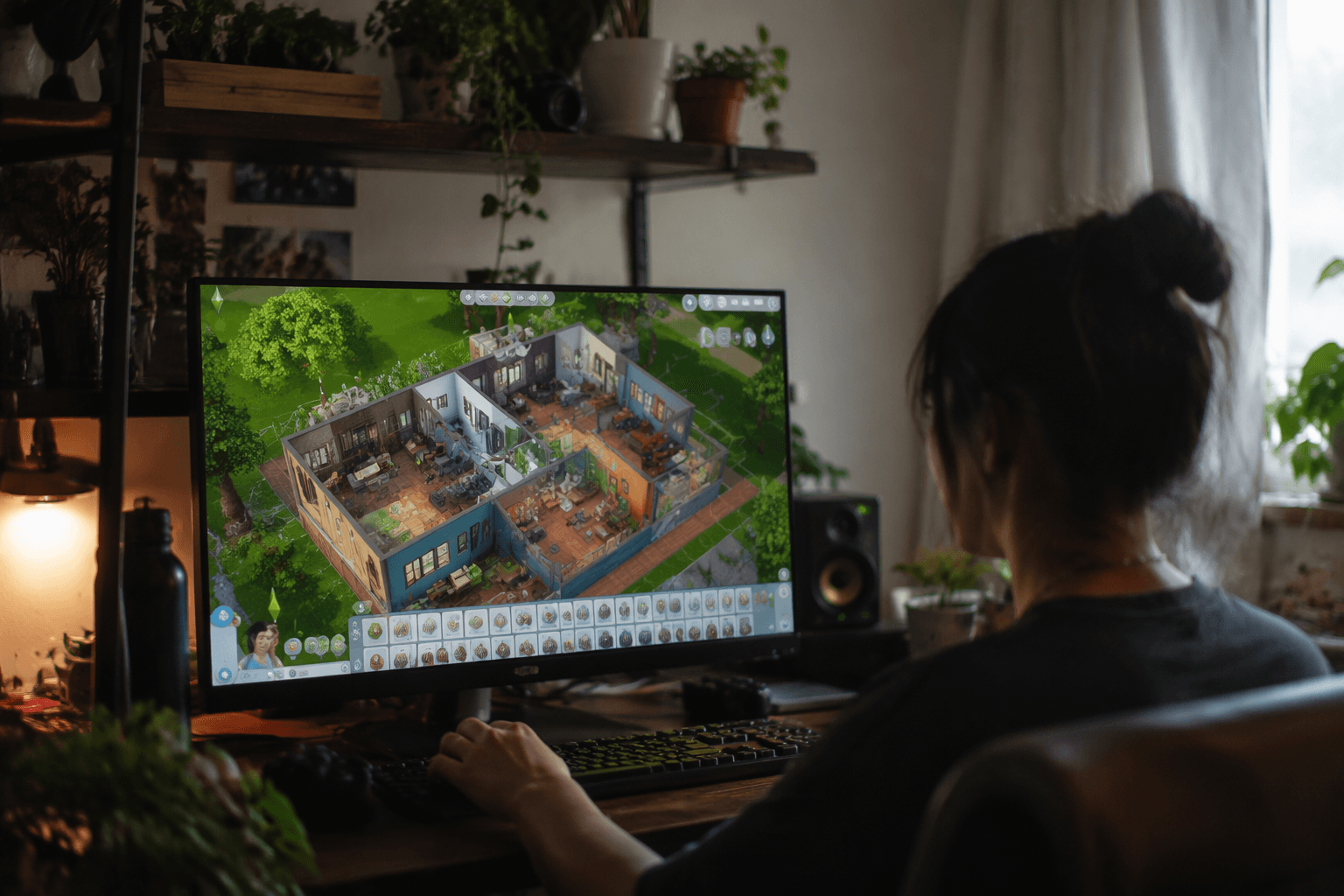
EA’s features page says you can “create a unique world of Sims” and “customize every detail from Sims to homes, and much more.” It also spells out what that means in practice: you can build homes by planning and placing furniture, wall shapes, decorative items and landscaping. Build Mode is not a side hobby tucked away from the rest of the game, it is one of the main ways you shape how a household lives.
That is why The Sims 4 attracts players who care about floor plans, interior design and architecture as much as they care about social play. A Game Studies article, “Signifying Play: The Sims and the Sociology of Interior Design,” looked at the game through interior design sociology, which underlines how central decorating and construction are to the experience. In The Sims, a room is never just a backdrop. It affects movement, routines and the mood of the save itself.
Stories emerge when the systems collide
The reason The Sims 4 stays interesting is that its tools are flexible enough to support very different fantasies. You can play it as a family simulator, a legacy game, a careful renovation project or a full-on roleplay machine. The FAQ’s promise of “deep, rich, and sometimes weird possibilities” is not marketing fluff, it is a fair description of how fast a normal household can drift into comedy, heartbreak or total nonsense once the systems start interacting.
That social-sandbox feel has long been part of the franchise’s identity. NPR has described The Sims as gaming’s “ultimate social sandbox,” and EA’s own anniversary messaging says the franchise now has a community of “500M+.” Those are big numbers, but they make sense when you look at how broad the game’s appeal is. One player comes for architecture, another for family drama, another for self-insert storytelling, and all of them can stay inside the same save structure.
A long-running game that still keeps pulling in new players
The Sims 4 itself originally released on September 2, 2014, while the original The Sims first arrived on February 4, 2000. That span matters because it shows how the series has stayed recognizable while still being actively maintained and expanded. EA said in 2023 that The Sims 4 had reached 70 million players, and IGN later reported that EA said the game added 15 million new players in 2024 alone.
EA has also kept celebrating the wider franchise through anniversary programming. The company held a Behind The Sims 25th Birthday Special on January 14, 2025, then released The Sims: 25th Birthday Bundle on January 31, 2025. That bundle includes The Sims Legacy Collection and The Sims 2 Legacy Collection for Windows 10/11, which makes the series feel less like a single release and more like a living library of life-sim tools.
Why that first session still works
If you are trying to figure out whether The Sims 4 is for you, the answer usually comes down to what you enjoy doing with a blank slate. If you like making people, building homes, and watching routines turn into stories, the game gives you all three right away. If you want one sentence that captures the pitch, it is EA’s own: “create a unique world of Sims” and then customize the details until the household feels like yours.
That first loop never really changes, and that is why it lasts. You make a Sim, give them a place to live, keep them going, and then see what story the house writes back.
This article was produced by Prism’s automated news system from verified source data, official records, and press releases, then run through automated quality and moderation checks before publishing. The system is built and supervised by the people who set the standards it runs under. Read our full AI policy.
Did this article answer your question?