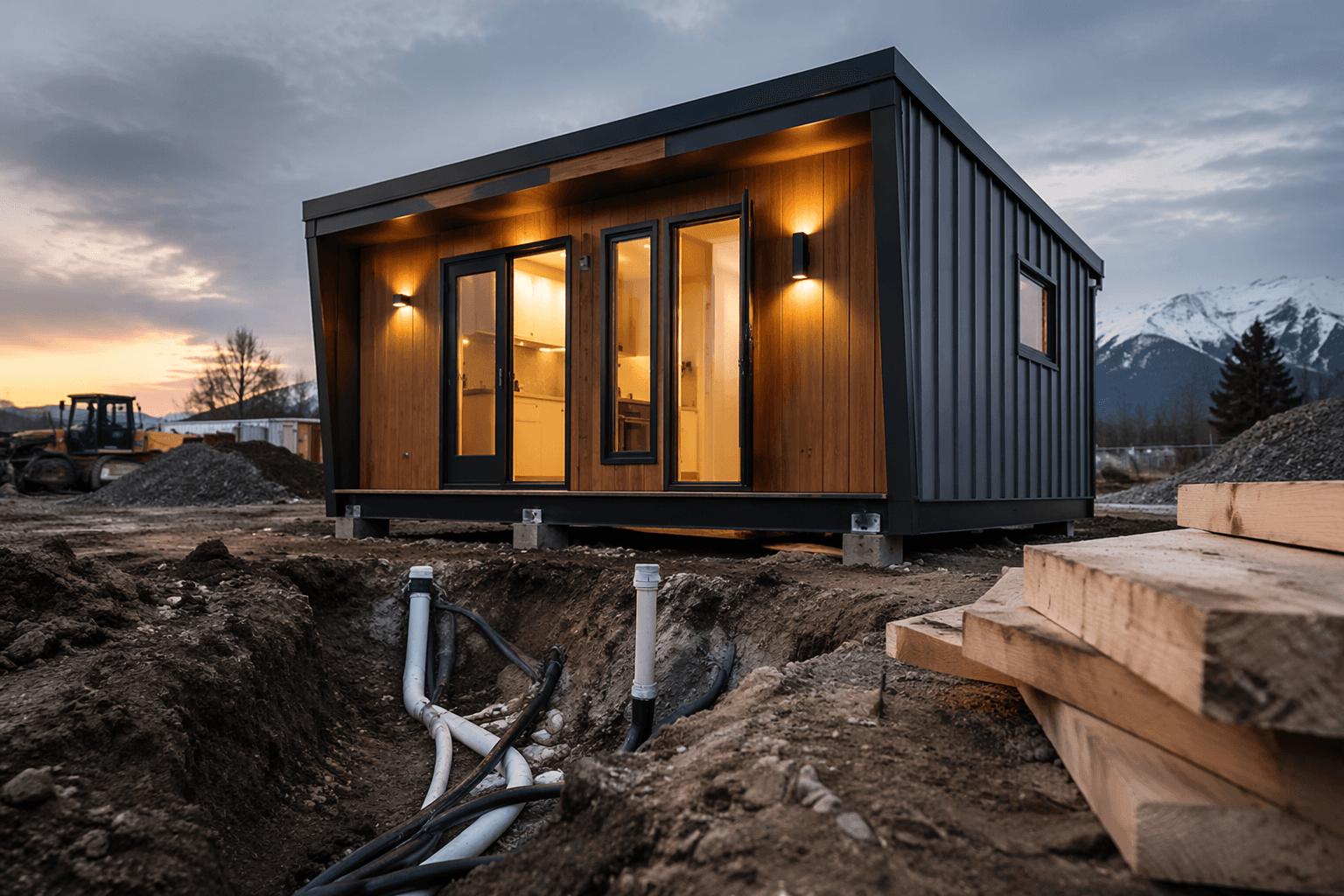
129,000-dollar tiny home offers spacious living and premium finishes
A $129,000 tiny home lands far below the $360,600 U.S. median housing value while promising spacious living and premium finishes.
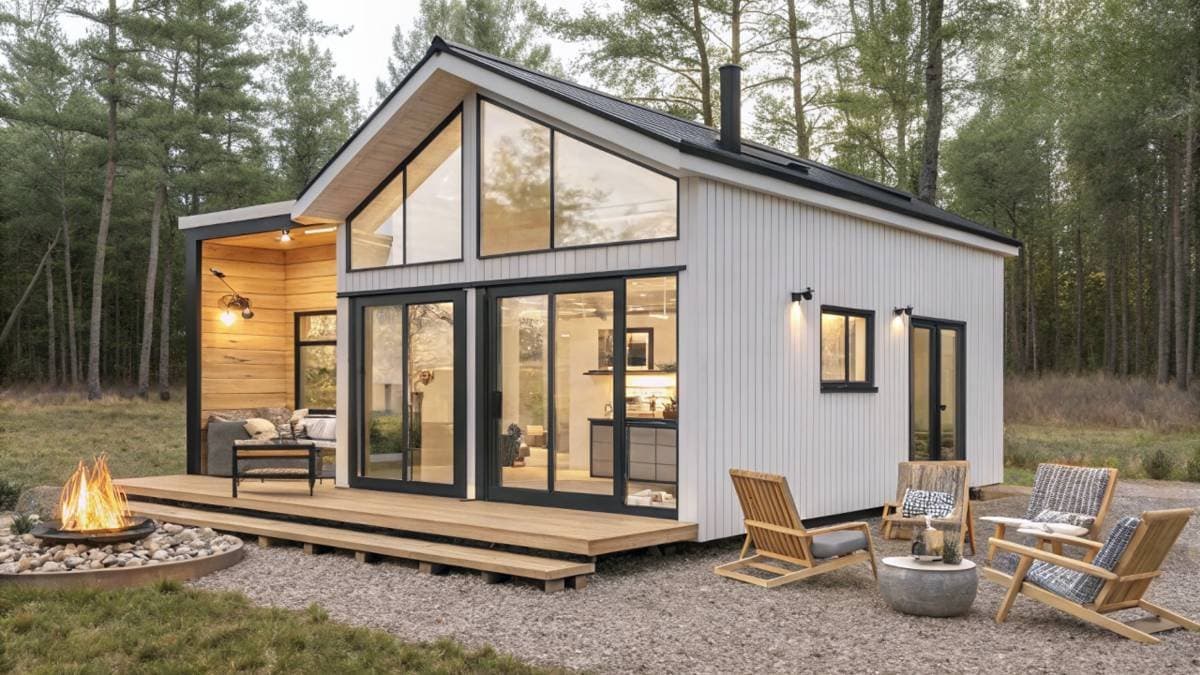
A $129,000 tiny home is being positioned as a serious answer to a housing market where the U.S. Census Bureau put median housing value at $360,600 in 2024, Realtor.com put the national median list price at $429,500 in May 2026, and the National Association of REALTORS® reported a $414,000 national median existing-home price in April 2025. The appeal is not just the lower sticker price. It is the promise that a compact footprint can still feel open, finished, and livable.
That is why the comparison to mainstream housing grabs attention, but the full equation is larger than the unit itself. Land, utility hookups, permits, and financing can change the math fast, especially for buyers who are trying to use a tiny home as a true primary residence rather than a weekend cabin or backyard build. A $129,000 price tag can look dramatically cheaper than a conventional house, but the savings only hold if the rest of the project stays under control.
The category itself is not one-size-fits-all. The U.S. Department of Housing and Urban Development defines manufactured homes as dwelling units of at least 320 square feet built on a permanent chassis, and homes built after June 15, 1976, must carry a HUD certification label. That matters because tiny homes are often discussed in the same breath as manufactured homes, yet the rules, financing options, and resale expectations are not the same. If a small home is certified through the U.S. Department of Energy’s Efficient New Homes program, it may qualify for a federal 45L tax credit of up to $5,000 per home for homes acquired before July 1, 2026.

The broader market explains why the pitch is landing now. The National Association of Home Builders said the median home size slipped from 2,200 square feet in 2023 to 2,150 square feet in 2024, the lowest in 15 years, and it said in March 2026 that affordability improved only mildly in the second half of 2025 while new and existing homes remained largely unaffordable. The Tiny Home Industry Association valued the tiny home and ADU movement at $1.31 billion in 2024 and projected growth to $1.68 billion by 2030.
That is the real strength of the $129,000 argument. It is not asking buyers to fall in love with tiny living as a novelty. It is asking them to compare a polished small home against the real cost of staying in the mainstream market, and to decide whether the smaller box still delivers the comfort, finish, and monthly breathing room that a lot of conventional houses no longer do.
This article was produced by Prism’s automated news system from verified source data, official records, and press releases, then run through automated quality and moderation checks before publishing. The system is built and supervised by the people who set the standards it runs under. Read our full AI policy.
Did this article answer your question?