Should you build, buy, or rent a tiny home?
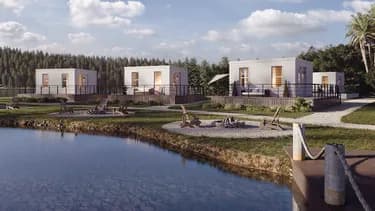
The right tiny-home path depends less on the floor plan than on code, site, and how much work you want to take on. Build for control, buy for speed, rent or tour before you commit.

Zack Giffin once lived in a tiny house on wheels while traveling for his professional skiing career. Tiny-home living can feel liberating, mobile, and unconventional. It can also turn into a maze of permits, utilities, towing, and code rules the moment you try to make it permanent. The real decision is whether you want a project, a purchase, or a test run.
Start with the category, not the décor
The first question is whether you want a tiny house on wheels or a tiny house on a foundation, because that choice shapes nearly everything else. Under the International Code Council’s Appendix Q, tiny houses used as single dwelling units and sized at 400 square feet or less can qualify for relaxed rules on compact stairs, ladders, loft ceiling heights, and loft egress. That makes the small footprint more workable, but it does not make the regulatory side disappear.
HUD’s Office of Manufactured Housing Programs enforces federal manufactured-home construction and safety standards, along with installation standards. HUD guidance states that tiny homes, Boxabl-style units, and converted shipping-container homes are generally subject to state and local building codes like modular and site-built homes when they are not HUD-code manufactured housing.
Who should build
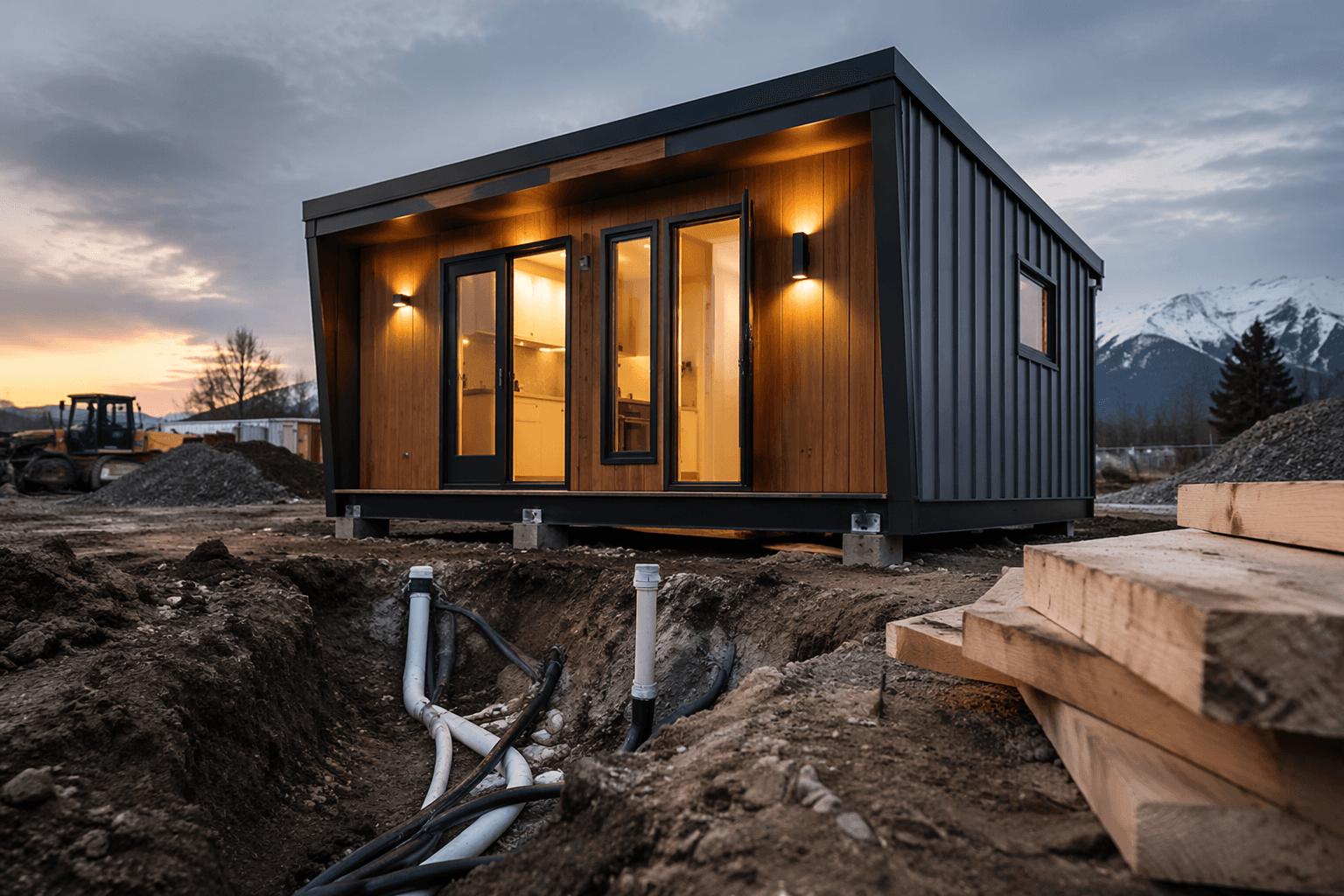
Build your own tiny home if you want control over the layout, the materials, and the way the space works day to day. That path suits people who already have construction skills, who can handle site selection and inspections, and who understand the difference between a towable shell and a code-compliant dwelling. It also makes the most sense if you are comfortable spending time on permits, utilities, towing, and long-term livability instead of treating the home as a finished product.
A build is especially appealing when your needs are unusually specific. If you want a loft sized around Appendix Q rules, a compact stair run, or a custom fit for a narrow lot, building from scratch lets you design around those constraints instead of fighting them later.
Who should buy turnkey
Buying a finished tiny home works best if you want speed and fewer decisions. That path is for buyers who already know where the unit will sit, what code path it needs to follow, and how utilities will connect. It is also the safer option if you would rather avoid a months-long build and want to see the finished dimensions, storage, loft access, and bath setup before committing.
The legal details still matter when you buy turnkey. Washington State defines a tiny house as a dwelling no larger than 400 square feet, including kitchen, bathroom, and sleeping and living area, and requires it to be built to the Washington State Building Code. Oregon legislative guidance states that permanent tiny homes must meet Oregon’s state building code or federal standards.

Who should rent or tour first
Renting or touring a tiny home is the smartest move if you are still trying to figure out whether you can really live small. Tiny-home advocates talk often about freedom and simplicity, but the daily reality includes storage discipline, limited utility space, and a tighter relationship with every square foot. Touring a unit first lets you test the ladder, the loft height, the kitchen size, and the way the home feels when you are not just admiring it for an afternoon.
This is the best option for people who like the idea of tiny living but have not yet mapped the tradeoffs. If you are unsure whether a 400-square-foot envelope can absorb your routines, or whether you need wheels rather than a permanent site, a rental or short stay answers those questions.
Who should avoid tiny living altogether
Tiny living is not the right answer if you cannot solve the legal and practical basics before you start. Site selection, utilities, permits, financing, towing, inspections, and long-term livability all matter as much as the floor plan.
The same caution applies if you need a straightforward path in a state with strict permanent-home standards. Washington and Oregon both show how quickly local rules can shape the outcome, and under HUD’s framework, not every small unit fits the same category.
Why the demand keeps growing
Tiny houses took off in the United States after the Great Recession, when expensive housing pushed more people toward smaller, cheaper options. That pressure has not eased much. The U.S. Census Bureau defines households as cost-burdened when they spend more than 30 percent of income on housing, and severely cost-burdened above 50 percent. Harvard’s 2025 State of the Nation’s Housing report says U.S. home prices were up 60 percent nationwide since 2019, while building materials rose 36 percent between February 2020 and February 2025.
Tiny homes now show up in many forms, from backyard ADUs to nonprofit village shelters. The Low Income Housing Institute says it is one of the nation’s largest providers of tiny-house village shelters, and Operation Tiny Home develops projects for veterans, disaster survivors, and people facing housing instability.
This article was produced by Prism’s automated news system from verified source data, official records, and press releases, then run through automated quality and moderation checks before publishing. The system is built and supervised by the people who set the standards it runs under. Read our full AI policy.
Did this article answer your question?