Pool owner builds a $400,000 tiny-home retreat in the California desert
Eric Wheeler traded a Temecula condo for 20 acres in Aguanga, then spent $400,000 turning raw desert land into a tiny-home retreat.
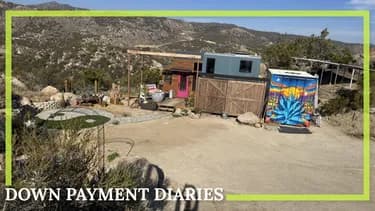
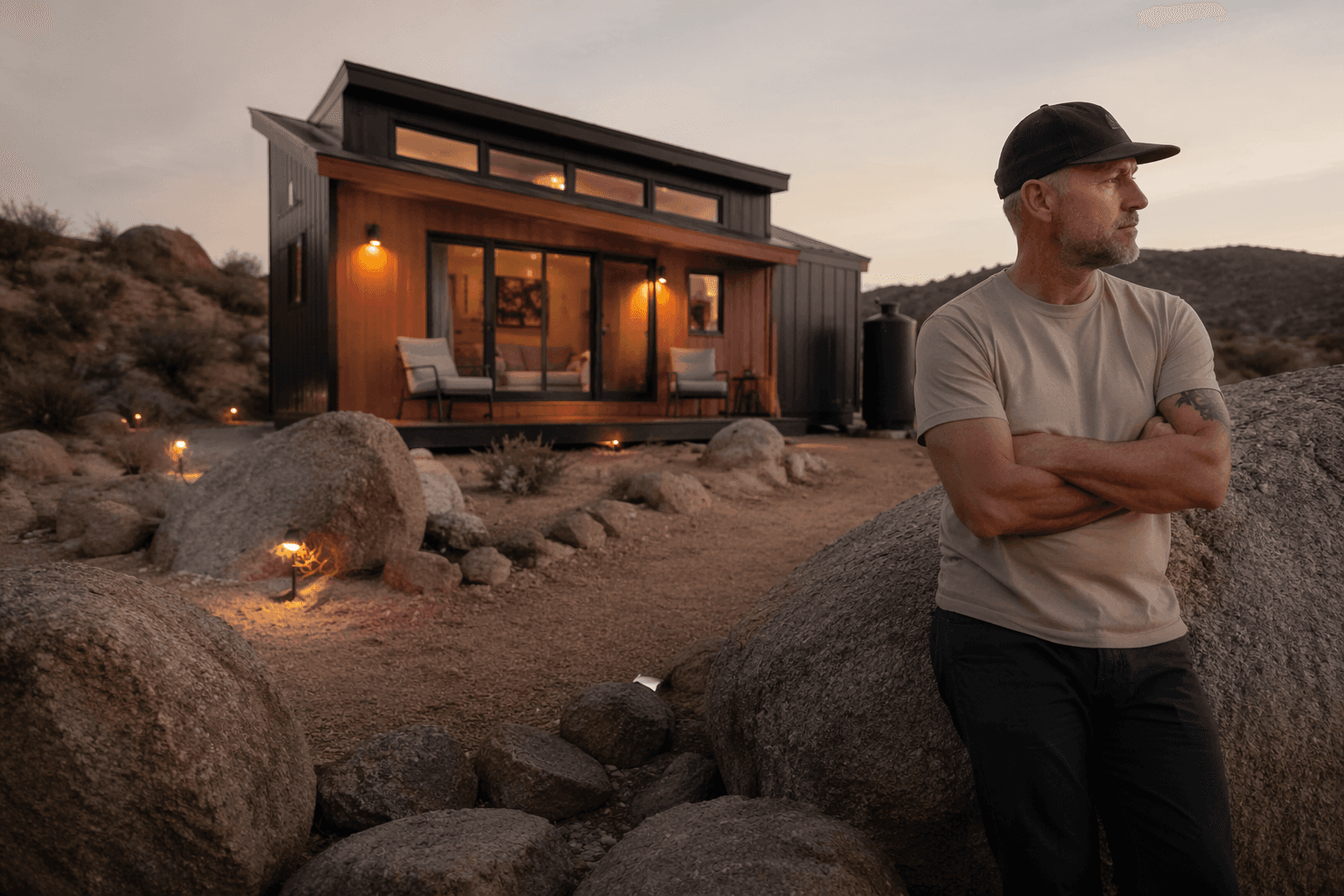
Eric Wheeler turned a 20-acre stretch of desert in Aguanga into a tiny-home retreat after selling his Temecula condo for $407,000. The 53-year-old, single pool-cleaning company owner set a $400,000 all-in budget and chose land over a conventional house, aiming for a place that felt more personal, more remote and closer to the outdoors.
Wheeler had lived in the Temecula condo for 13 years after buying it in 2009 for $130,000. When he grew tired of the setup, he started looking online and through friends for something different, with Joshua Tree and a trip to Taos shaping his taste for unconventional desert living. Earthships became part of that vision, pushing him toward a project that treated the land itself as the main asset, not just the home on top of it.
He ultimately bought the Aguanga parcel for $187,000 after the asking price had been $212,000. Wheeler had capped his land budget at $160,000, so the closing price pushed him above the target before the build even started. The tiny home itself cost $175,000, and infrastructure added another $3,000, bringing the project into the territory of a serious housing purchase even with a small footprint.
The numbers are what make the story especially useful for anyone chasing a raw-land tiny-home setup. Wheeler planned for a $17,500 down payment, a mortgage of about $1,500 and taxes of $1,870. In other words, the dream was never just about the size of the house. It was about what it takes to make raw acreage function like a real home site, with financing, site work and carrying costs all stacked into the final price.
Aguanga’s scale helps explain why Wheeler wanted the privacy in the first place. The U.S. Census Bureau counted 989 residents there in the 2020 census, a population small enough to make a 20-acre parcel feel like its own world. Riverside County’s planning rules still apply, though, and county building guidance says applicants must comply with current California Building Codes, Riverside County Ordinance 457 and California Title 25 regulations at the time of plan submittal and fee payment.
California’s housing department also treats accessory dwelling units as an important housing tool, but local and state standards still govern what gets built and where. That is the part tiny-home buyers often underestimate: the shell is only one line item. Wheeler’s desert retreat works because the land, the permits, the infrastructure and the financing all fit together, not because the floor plan is small.
This article was produced by Prism’s automated news system from verified source data, official records, and press releases, then run through automated quality and moderation checks before publishing. The system is built and supervised by the people who set the standards it runs under. Read our full AI policy.
Did this article answer your question?