Alabama tiny-home maker builds move-in-ready houses for growing demand
Timbercraft can build a finished tiny house in eight days, but the real choke point is land, zoning, and utility access, not the build itself.
The factory can outrun the zoning board
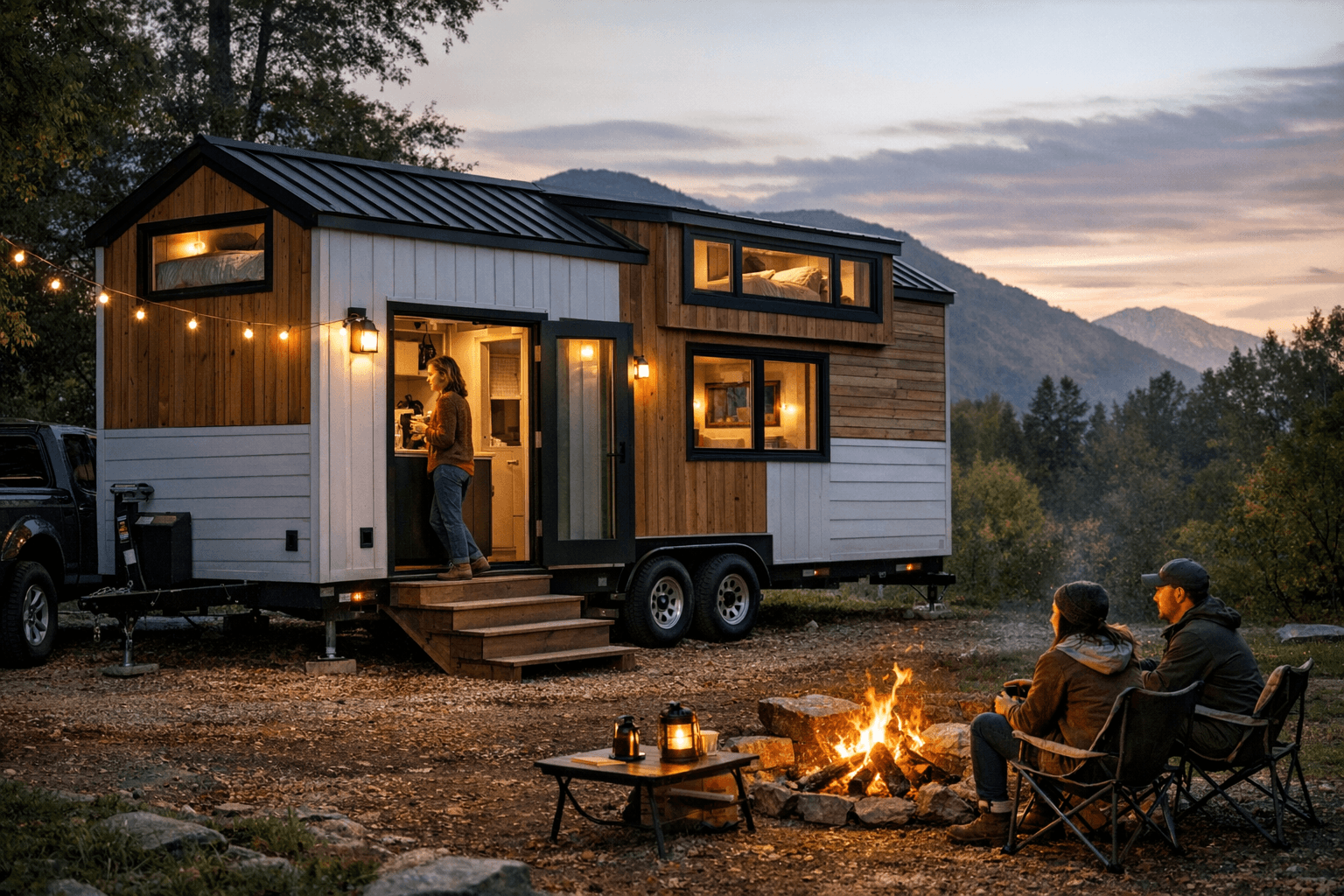
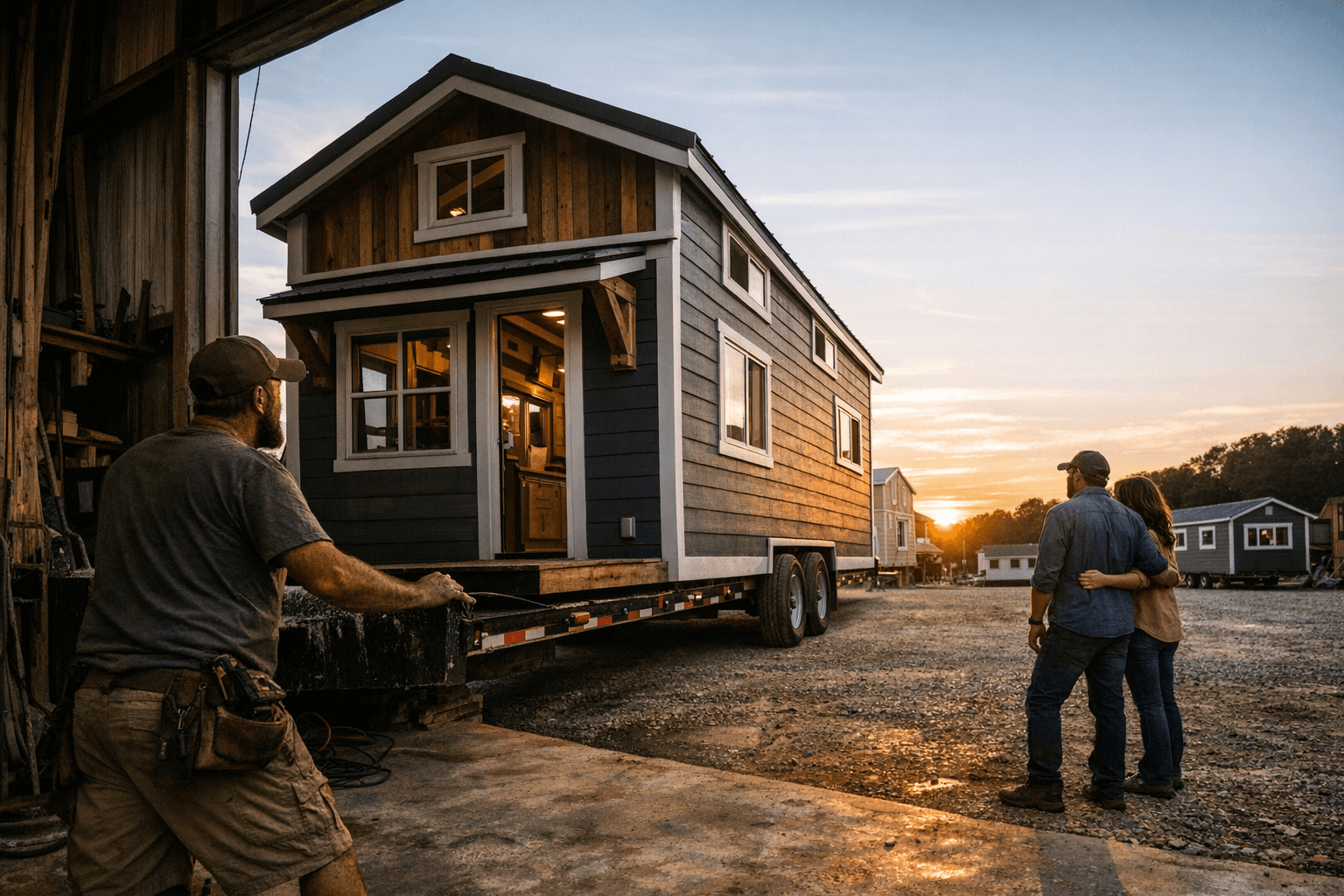
Inside Timbercraft Tiny Homes’ Guntersville shop, a new house can come together in about eight days. That speed is the point: the company is not shipping out raw shells or weekend-project kits, but finished, move-in-ready homes under 400 square feet, some with loft space, already fitted with refrigerators, dishwashers, air conditioning, cabinets, fireplaces, and porches. Doug Schroeder’s bet is that factory-built housing is no longer a novelty, but the future of how small homes get made.
Timbercraft’s own public profile shows how far that idea has already traveled. The company says it was founded in 2014, is based at 230 Convict Camp Rd. in Guntersville, Alabama, has delivered homes to customers in 30 states including Hawaii, and has also shipped internationally. It also says financing is available for most models, which matters because tiny homes can look affordable on paper only if buyers can actually clear the lending hurdle.
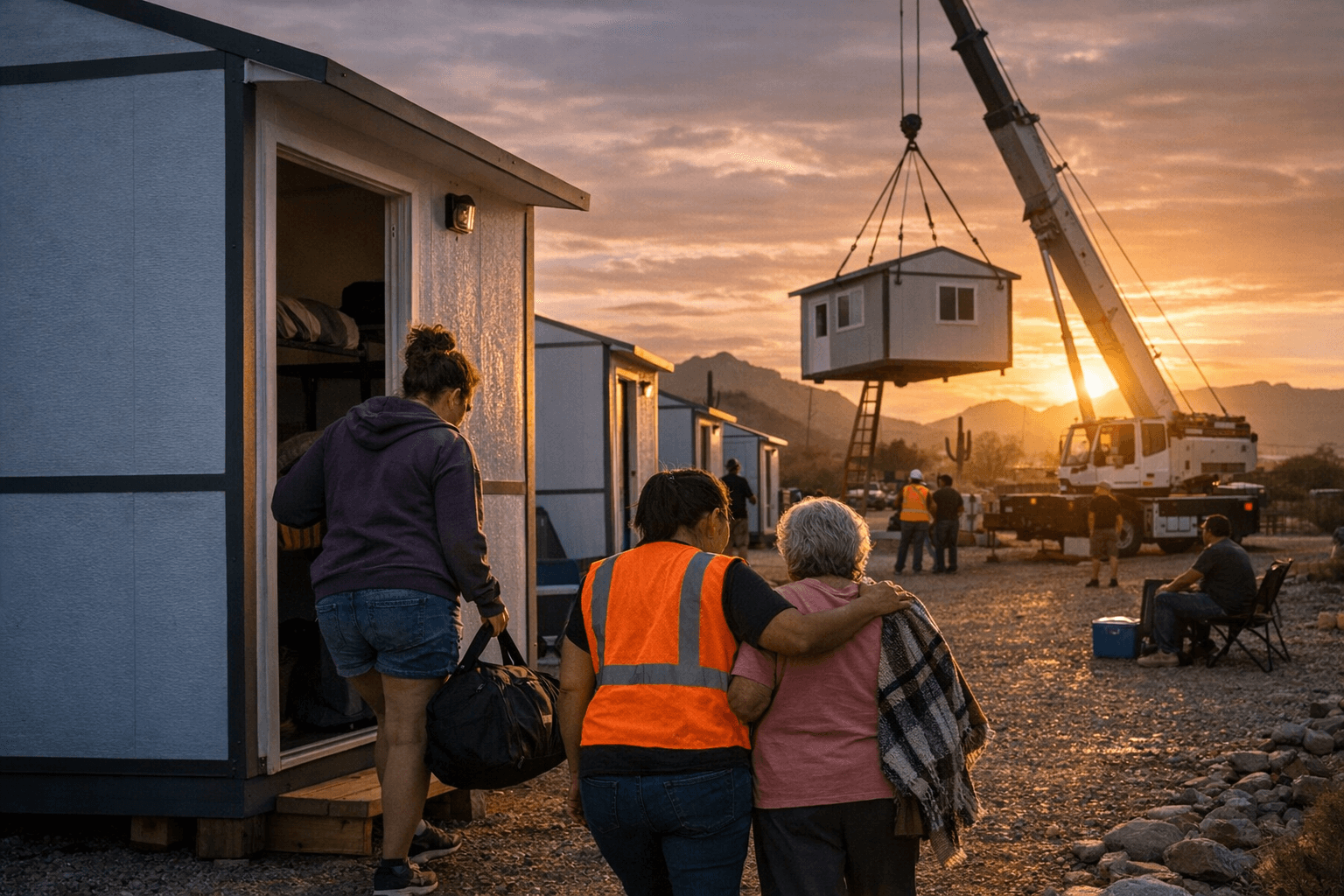
The price gap is what makes the story click. The homes generally sell in the $100,000 to $200,000 range, while the median price of all U.S. homes has climbed above $400,000. That puts a Timbercraft-style tiny house in the running for first-time buyers who have been priced out of the conventional market, and for older owners who want to downsize without giving up a real kitchen, climate control, or front porch comfort.
The real bottleneck is not the build, it is the place
The housing problem here is not whether Timbercraft can make a good product. It is whether local rules let that product land somewhere legal. Schroeder says he has lost sales because buyers could not find a lawful place to put the home, and the story of a customer in Upstate New York who had to resell after discovering the unit did not meet local code shows how quickly a sale can collapse once placement rules enter the picture.
That is why the company’s land play is so revealing. Two miles from the factory, Timbercraft bought a former RV park that was already preapproved for small mobile homes and already had an existing water main. In tiny-house terms, that is not just a real estate purchase, it is infrastructure arbitrage: the company found land where the legal category and the utility hookup already existed.
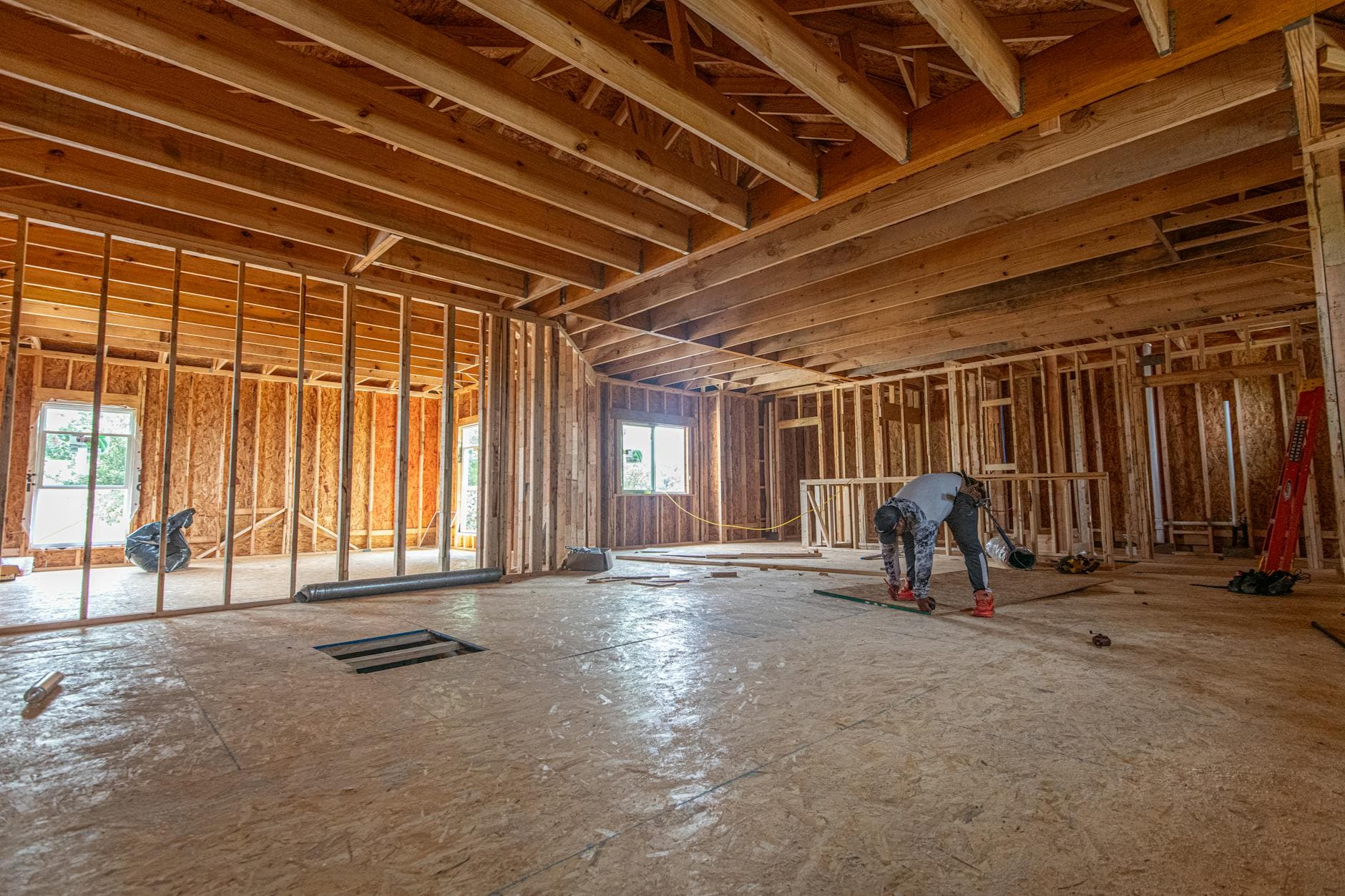
HUD’s rules help explain why these homes get stuck in the middle. Manufactured homes built in the United States after June 15, 1976 must meet the Manufactured Home Construction and Safety Standards, and HUD’s Office of Manufactured Housing Programs oversees construction and installation standards. Tiny homes can run into a thicket of category problems because the market often has to decide whether a unit is treated as a manufactured home, an RV-style unit, or an accessory dwelling unit.
What would turn demand into actual housing supply
The easiest path forward is not to romanticize tiny living. It is to make more places legal, serviced, and predictable. The EPA says compact development with a mix of housing types, smart-growth zoning, and access to utilities and transportation can support more affordable communities. That is the policy frame tiny houses need: smaller homes allowed in more neighborhoods, on more lots, with fewer arbitrary barriers.
One obvious lever is accessory dwelling units, or ADUs. Virginia approved a law this spring that requires local zoning to allow ADUs in single-family residential districts, sets a permit fee cap of $500 or less, and bars especially restrictive setbacks and other local conditions; the law takes effect July 1, 2027. The ADU category is broad enough to include a tiny house on another home’s lot, a garage apartment, a carriage house, or an in-law suite, which makes it one of the clearest pathways from tiny-home demand to real units on the ground.
- Permit tiny homes as ADUs where single-family homes already exist.
- Allow them on pre-serviced lots, especially where water, sewer, and road access are already in place.
- Align local codes with state and federal housing categories so buyers are not left guessing whether a unit counts as housing or an RV.
- Keep permit fees, setbacks, and lot-size rules from becoming hidden bans.
- Focus new tiny-home communities on compact, mixed housing patterns rather than isolated novelty projects.
For cities and counties that want more supply, the practical checklist is straightforward:
That is why Timbercraft’s former RV park matters so much. It is a small example, but it points to the real fight in tiny housing: not whether Americans want smaller, better-built homes, but whether land-use policy will let them exist at scale. Timbercraft is showing that the factories can move fast. The slower system is the one deciding where the homes are allowed to stop.
Know something we missed? Have a correction or additional information?
Submit a Tip