Arizona tiny home owner creates a three-home lifestyle at Luxtiny
Debby's three tiny homes at Luxtiny show how compact living is becoming a flexible, multi-unit lifestyle, not just a minimalist one-house decision.
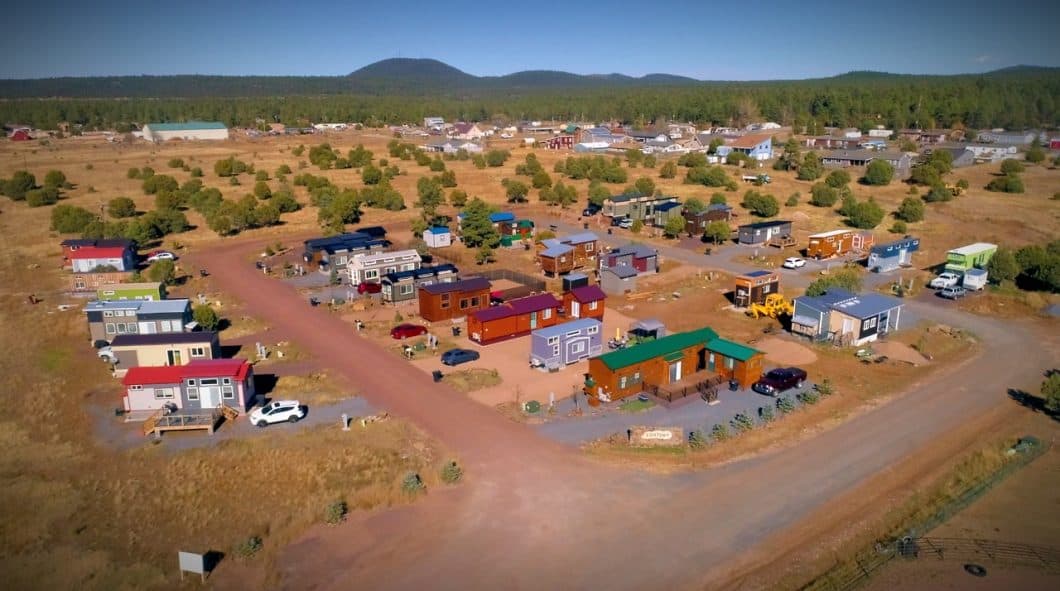
Debby’s setup at Luxtiny reads like a small-scale rethink of what tiny living can be. Instead of one compact home standing in for a full-size house, she has three tiny houses on the property, including two connected park-model homes and a third tiny house with a slide-out. That arrangement turns tiny living into a little ecosystem, where one structure can anchor daily life while the others add room for guests, hobbies, storage, or future flexibility.
A three-home lifestyle instead of one tiny-house novelty
The striking part of Debby’s story is not simply that she lives tiny, but that she has moved beyond the idea of tiny as a single, isolated choice. A one-home setup is about reduction and efficiency; a three-home setup starts to look like strategy. The connected park-model homes suggest a layout built for circulation and use, while the slide-out adds the kind of adaptability that compact living depends on when every square foot has to earn its keep.
That shift matters in tiny-house circles because it reflects how owners actually use these spaces once the novelty fades. A first home may be the main residence, but the next one can become a guest suite, a workroom, a quiet retreat, or a future income piece. Debby’s arrangement points to a broader pattern: tiny homes are increasingly being treated as parts of a household system, not just as a single downsize moment.
Why Luxtiny makes that possible
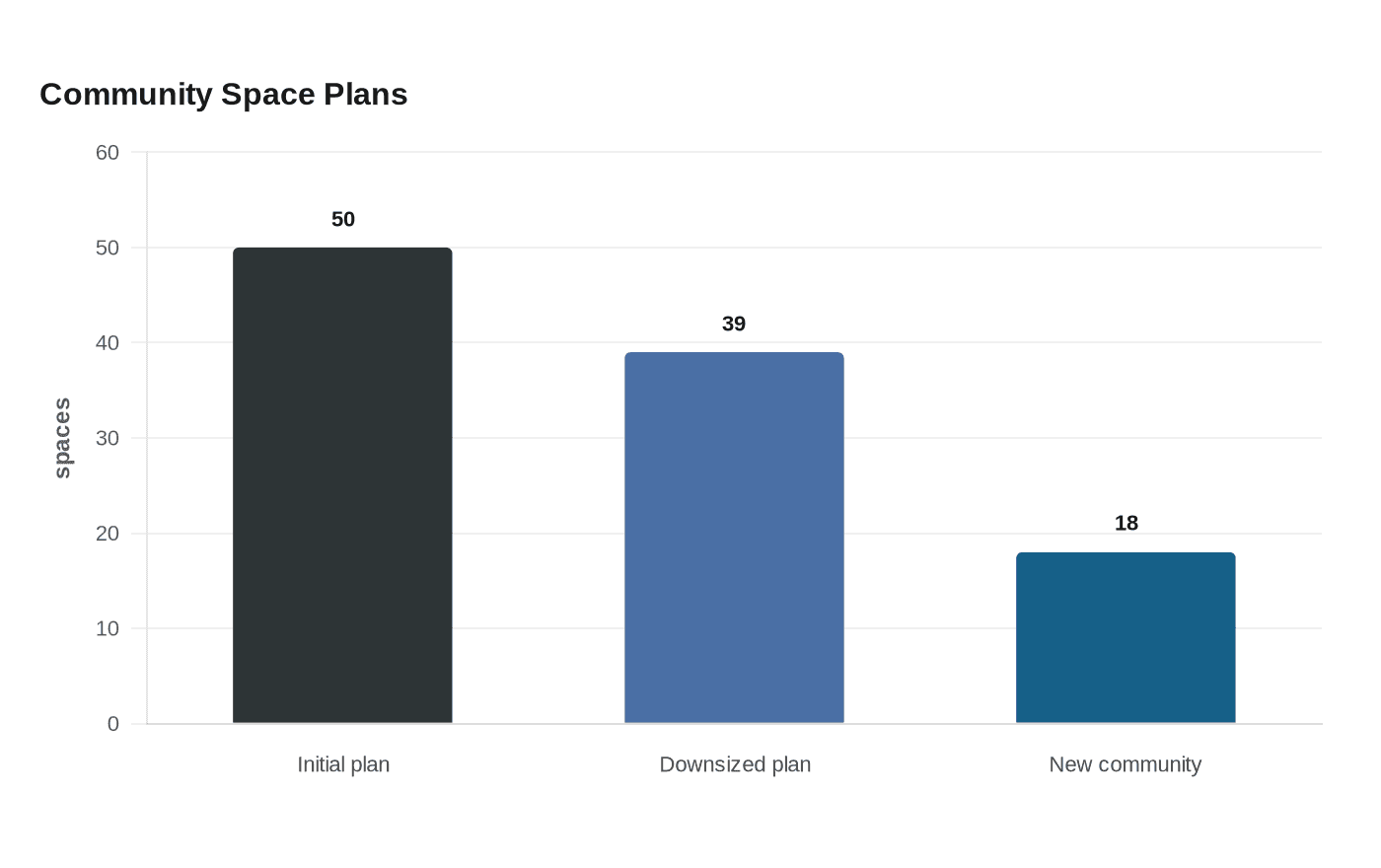
Luxtiny gives the story its setting and its scale. The community describes itself as Arizona’s first tiny home community in the White Mountains, with a location in Lakeside, Arizona, and a 6,500-foot elevation that gives the site a very different feel from the desert tiny-home image many people expect. The community says it is currently 100% filled, and it has plans for a new 18-space community in Lakeside, which suggests demand is strong enough to move well beyond a one-off neighborhood model.
The footprint is part of the appeal. Luxtiny says its average lot size is over 3,500 square feet, which is generous by tiny-home standards and helps explain how multiple compact structures can coexist without feeling cramped. The community also says it has downsized its initial 50-space plan to 39 spaces, a reminder that tiny-home development is not always about packing more units onto a site. Sometimes it is about giving each site enough breathing room to support a more layered way of living.
The practical math behind a tiny-home portfolio
The numbers at Luxtiny make Debby’s lifestyle feel less like an outlier and more like an example of where the market is headed. The community says lease rates start at $379 to $479 per month, including water, sewer and trash, which keeps the monthly carrying cost of a site relatively predictable. It also says most of the tiny homes range from 240 to 399 square feet, with a possible 144-square-foot pod, and one listed home is priced at $99,500.
Those details matter because they show how tiny living can be built in layers. A single 240-to-399-square-foot home is already a compact commitment. Add a second or third unit, and the conversation changes from “how little can I live with?” to “how do I organize the right mix of spaces?” That is where tiny living starts to look less like a cabin fantasy and more like a portfolio, especially for people who want a private primary home alongside space for guests, projects, or future rental use.
How the rules are catching up to the lifestyle
Debby’s story also fits into a larger building and policy shift. The International Code Council defines tiny houses as dwelling units of 400 square feet or less, excluding lofts, and its tiny-house appendices relax requirements around compact stairs, ladders, loft headroom and emergency escape openings. That matters because tiny homes are no longer operating only on the margins of housing culture. They are increasingly being recognized as a distinct building category with evolving standards.
Arizona is part of that bigger conversation. Tucson officials have discussed easing zoning barriers and streamlining permits for tiny homes, and local reporting has tied tiny-home villages to affordable housing and transitional-housing efforts. The implication is important: tiny homes are not only a lifestyle choice for people who want less space. They are also being considered as a practical housing tool in cities that need more flexible options.
What Debby’s story says about where tiny living is going
What makes Debby’s three-home setup so compelling is that it captures tiny living after the first wave of curiosity. The movement started with the image of one charming little house, often viewed as a minimalist escape. Luxtiny and Debby together show a more mature version: a community with leased lots, shared infrastructure, and homes arranged to support multiple uses over time.
That evolution is where the hobbyist energy becomes most visible. Tiny-house culture has always been about design, resourcefulness and intentional living, but Debby’s arrangement pushes those values further. She is not just living in less space. She is using several small spaces to build a more flexible life, which may be the clearest sign yet that tiny homes are moving from singular statement pieces into connected, living systems.
For anyone watching the movement closely, that is the real story at Luxtiny. The headline is three homes, but the deeper shift is what those homes make possible together.
This article was produced by Prism’s automated news system from verified source data, official records, and press releases, then run through automated quality and moderation checks before publishing. The system is built and supervised by the people who set the standards it runs under. Read our full AI policy.
Did this article answer your question?