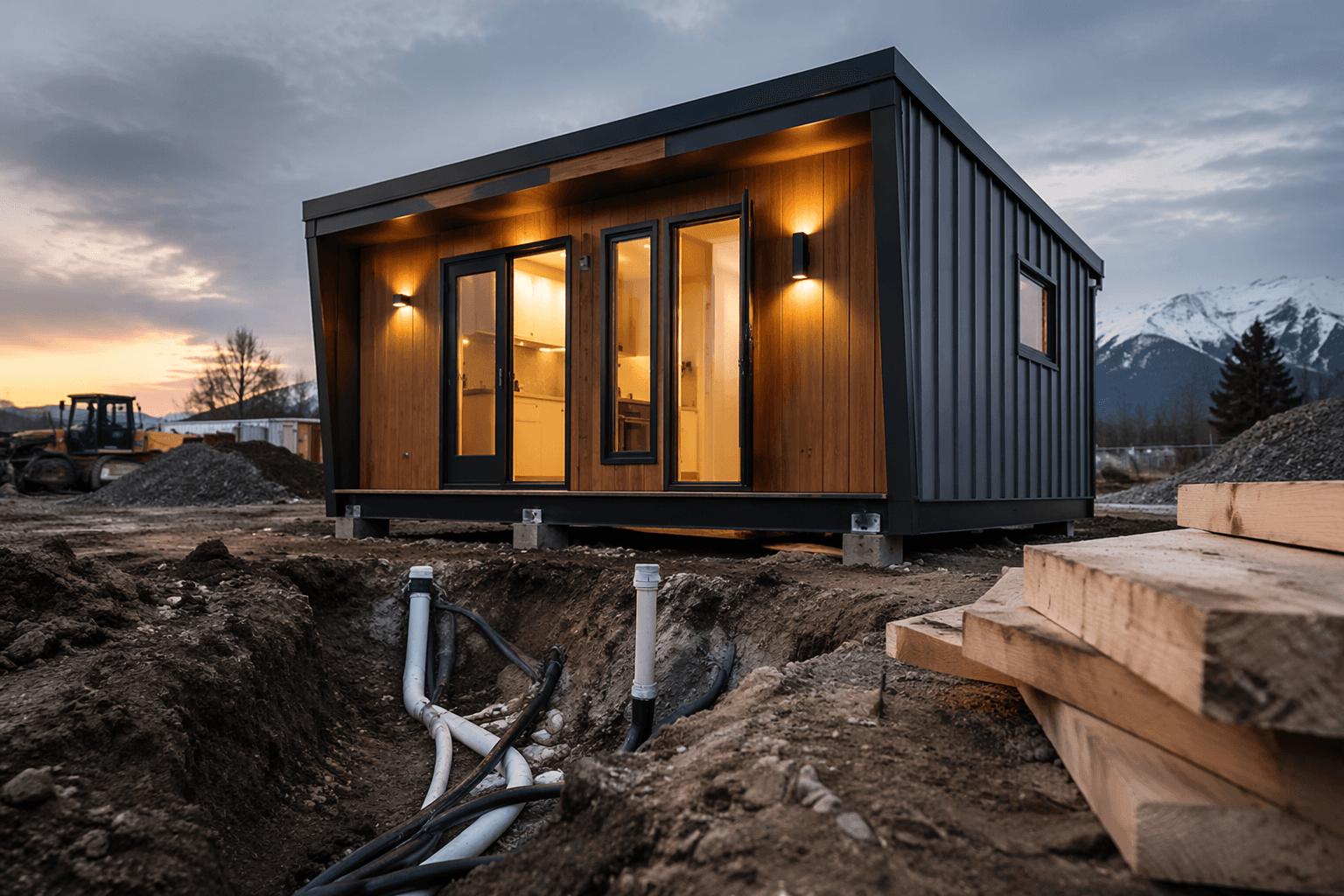
Australians Turn to Tiny Homes and Backyard Pods to Ease Cost-of-Living Pressures
Elsewhere Pods is fielding 500 calls a day since its $26,100 flat-pack unit hit Bunnings shelves, but the permit-free models that make the price possible can't legally be rented out as dwellings.

Melbourne startup Elsewhere Pods was fielding 10 to 15 inquiries a day before its flat-pack pod homes landed on Bunnings shelves. Since the partnership went public, that number has climbed past 500 calls a day. The $26,100 entry price, the two-day assembly window, and a much-advertised selling point, no building permit required, turned a niche modular company into the most-clicked product in Australia's housing conversation almost overnight.
But the permit-free threshold that makes Elsewhere's Bunnings range so accessible also defines exactly what it cannot do. The two models sold through Bunnings, a 2.7m by 2.4m unit at $26,100 and a 4.0m by 2.4m studio at $42,900, include neither bathroom nor kitchen. They are backyard studios and home offices. Anyone banking on one to offset a mortgage through rental income needs to look past the listing.
That distinction is the policy crux of Australia's backyard pod surge. Whether a pod generates rental income hinges almost entirely on whether it achieves Class 1A dwelling classification, which in every state requires a building permit at minimum. In New South Wales, any secondary dwelling regardless of size requires either a Complying Development Certificate issued by an accredited certifier or a full Development Application through council. Victoria applies a more streamlined pathway to second dwellings under 60 square metres, but a building permit remains mandatory. The permit-free zone where the Bunnings pods sit is confined to non-habitable structures: studios, offices, teenage retreats.
Elsewhere Pods founder Matt Decarne, who left a career in international finance after his mother's home was destroyed in the 2020 Northern Rivers floods, has been candid about where that line sits. "It's difficult for the industry to know exactly how many people are living in tiny or modular homes, because many tiny homes including some of our designs don't trigger planning or building approvals, which is a big drawcard," he said. The company does offer larger, permitted models and can manage the approvals process for buyers chasing a rentable unit. One customer holds the title of Australia's smallest Class 1A-approved dwelling, located at Bright in Victoria.
Elsewhere Pods has generated more than $9 million in sales since Decarne founded it, with demand doubling each year. Before the Bunnings deal, roughly 40 percent of its sales went to Airbnb investors generating income from regional properties. The remaining buyers were largely owner-occupiers housing adult children, ageing parents, or creating rental income to stay in suburbs they could no longer afford to trade up within.
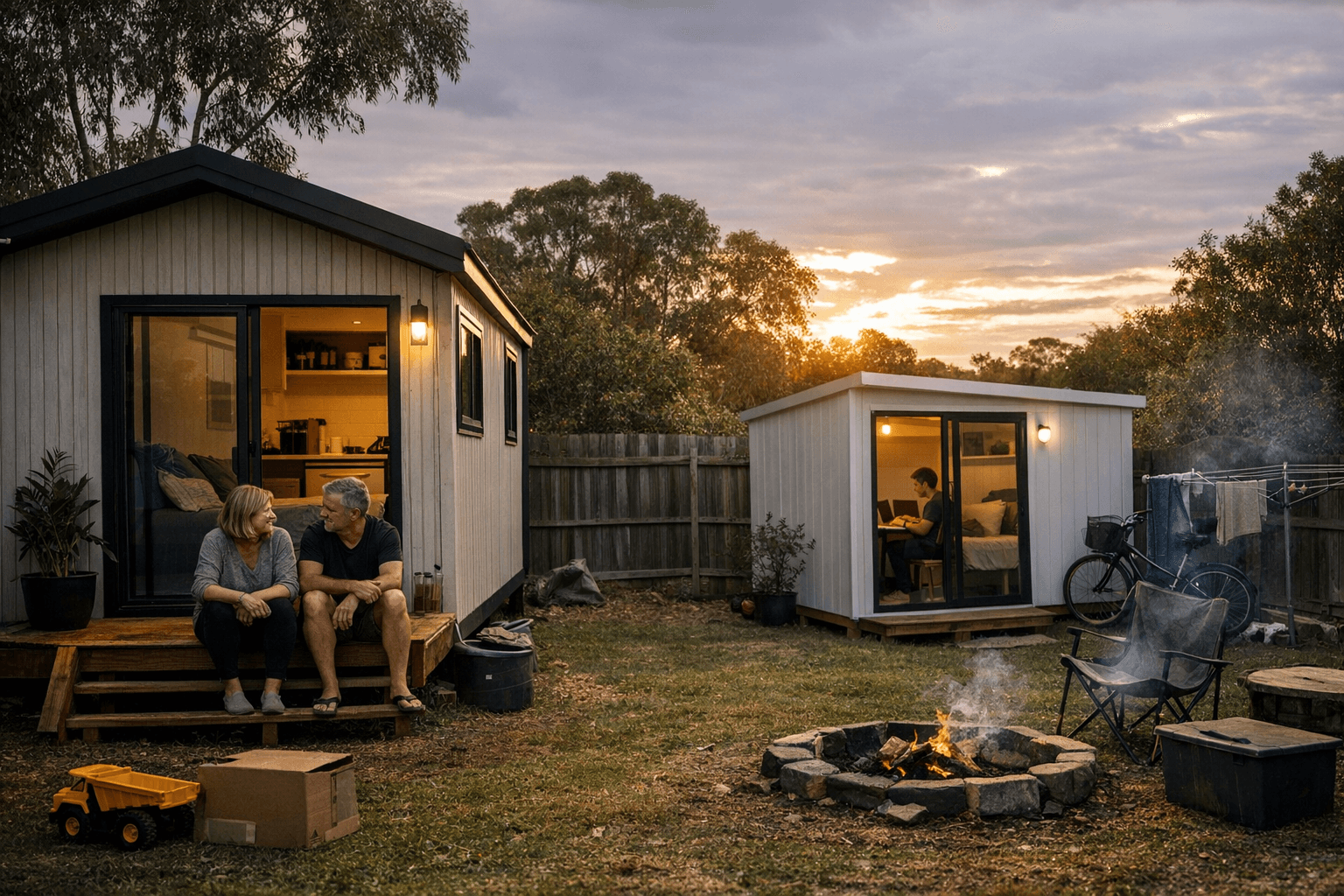
The broader context driving those decisions is relentless. Reserve Bank rate hikes have squeezed household budgets at the same moment the National Rental Affordability Scheme is winding down. More than 36,000 below-market rentals have exited the scheme since 2018, with another 4,500 disappearing this year. The federal government's Housing Australia Future Fund has pledged 40,000 social and affordable homes; as of late 2025, 889 had been completed.
A Housing Industry Association survey found builders expected to complete ten times more granny flats in 2026 than in 2022. "Housing innovation must be part of the answer to Australia's broader affordability squeeze," Decarne said. "Australians are searching for smarter, faster and more affordable housing solutions."
The Bunnings partnership has accomplished something real: it has put a transparent price and a two-day build time on a market that was previously opaque and builder-dependent. What it has not done is simplify the approval pathway for anyone who needs the pod to pay rent. Homeowners seeking that outcome still face the same state rules, council schedules, certified inspections, and service hookup costs they always have. The product got cheaper; the paperwork did not.
This article was produced by Prism’s automated news system from verified source data, official records, and press releases, then run through automated quality and moderation checks before publishing. The system is built and supervised by the people who set the standards it runs under. Read our full AI policy.
Did this article answer your question?