BC Couple's Tiny Home RV Classification Blocks Health Care Access
A BC locum doctor and clinical counsellor can't establish a permanent address in Okanagan Falls because their tiny home is officially classified as an RV.

A locum family doctor who covers clinics across the South Okanagan and Similkameen and works shifts at Penticton General Hospital cannot establish a permanent home address in British Columbia because the Regional District of Okanagan Similkameen classifies his tiny house as a recreational vehicle. Without that permanent address, he and his partner face real barriers to health care access, an outcome that also puts a doctor-scarce region at risk of losing one of its practicing physicians.
Kogel and Keith Balisky, a registered clinical counsellor, chose tiny home ownership in Okanagan Falls after finding conventional housing unworkable. "We're both early in our career coming into the housing market," Kogel said. "We were looking at home ownership but the cost of owning or having a mortgage was so expensive, combined with our student debt. We just didn't feel it was the right financial decision for us." Balisky was direct about what tipped the decision: "When we were looking at the housing market, it was just unattainable for where we are."
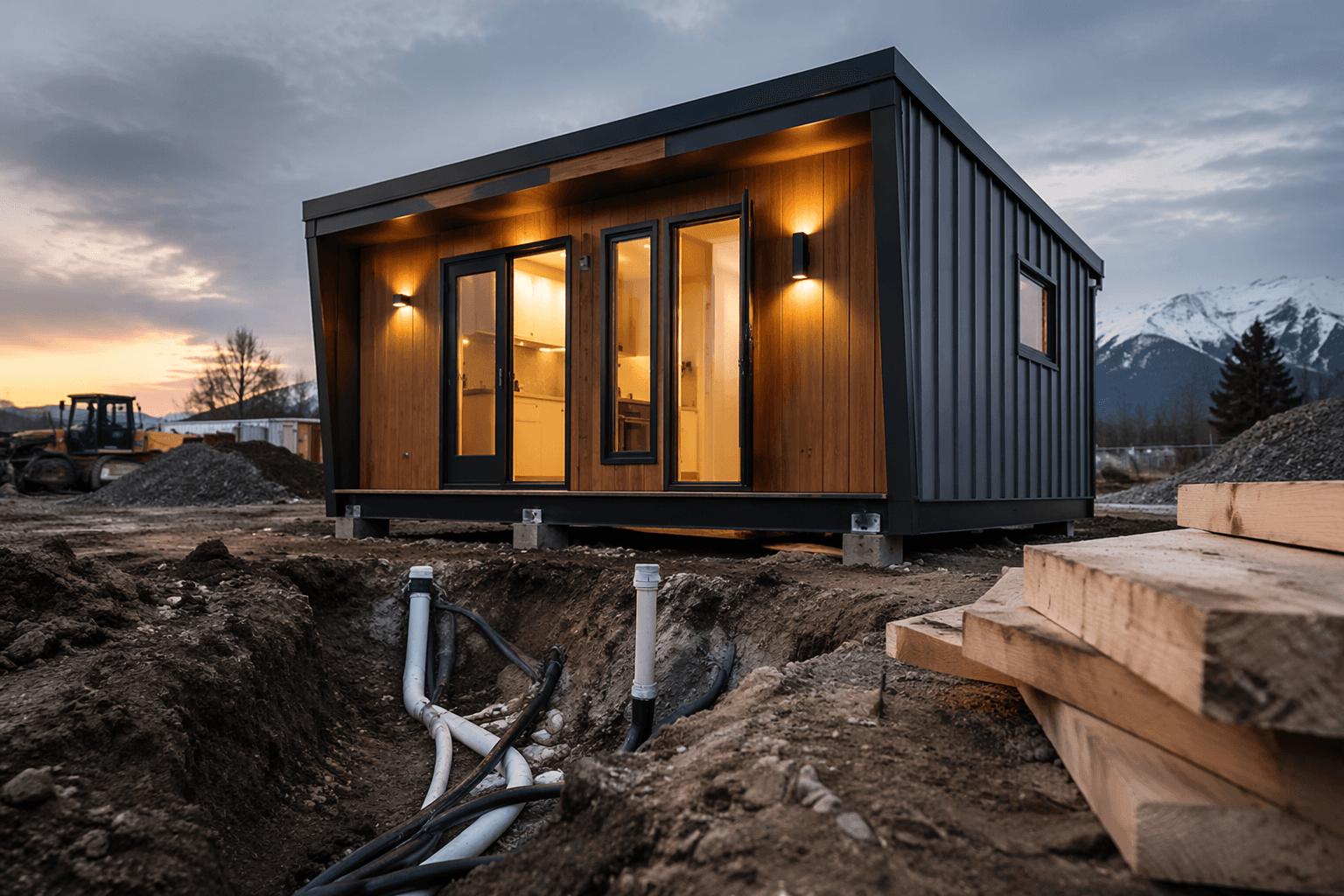
Their home is not a flimsy structure. Kogel described it precisely: "The outside is 100 per cent cedar siding. Those are double pane Ply Gem windows, the roof is a steel roof and it has a 40 pound per square foot snow load." That last figure matters in the Okanagan interior, where heavy snowfall is a seasonal reality.
But because the home sits on wheels rather than a permanent foundation, the RDOS places it in the same regulatory category as a camping trailer and prohibits year-round occupancy without special approval. Balisky identified the structural problem clearly: "Tiny homes are in that kind of weird in-between limbo where there's no regulation, so they have to follow some sort of regulation. The builders typically go by kind of RV standards but our home is way above RV standards in that way."
That limbo has tangible consequences. Without a recognized permanent address, accessing provincial health care services becomes complicated, a particular irony for two people who work inside the health system daily.
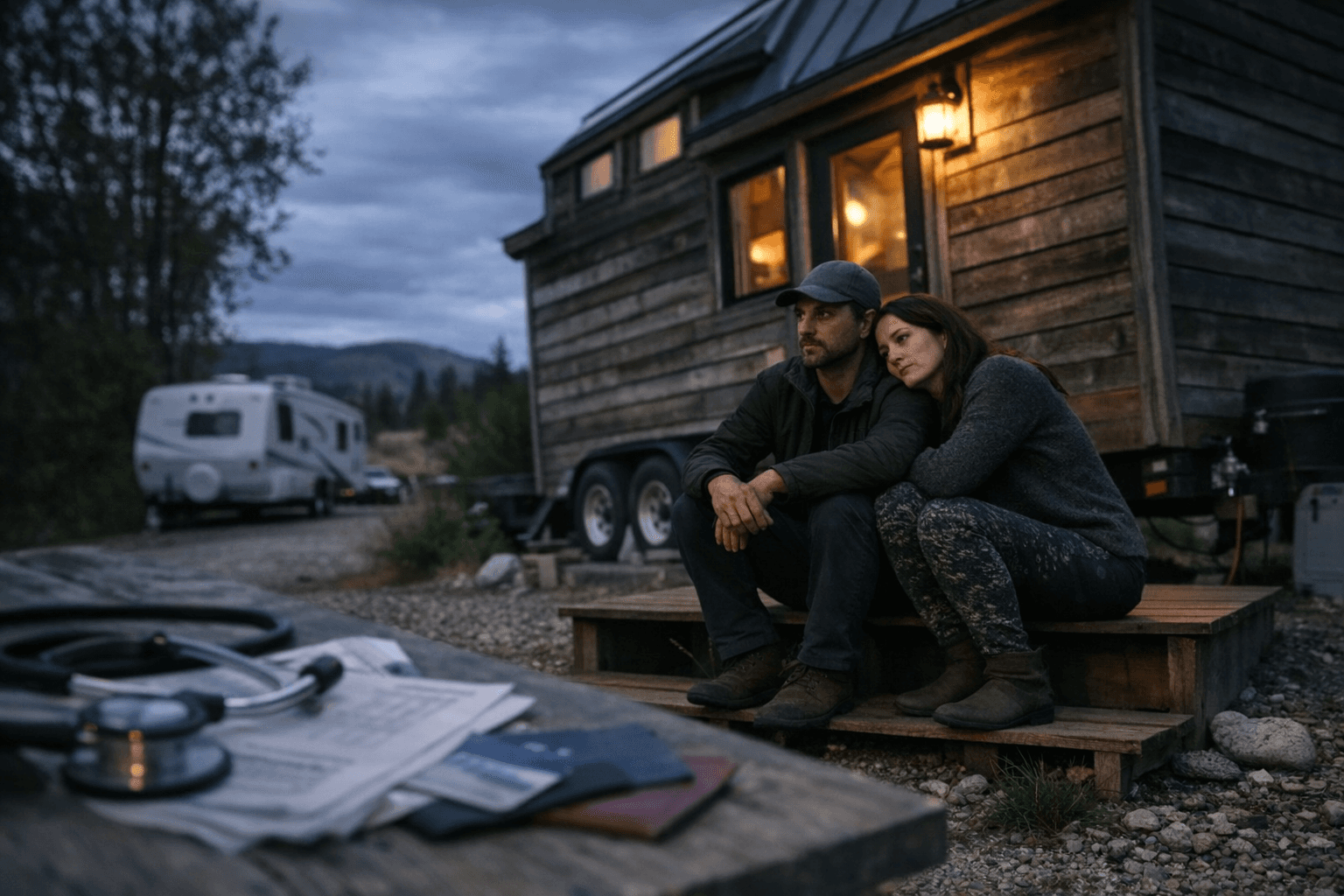
Kogel was measured in his response. "I don't expect exceptions as a physician," he said. "But I do think that the bylaws governing additional dwelling units probably could be updated and I think it's time to do that in the midst of our housing crisis."
The case carries additional weight because of the doctor shortage across rural and semi-rural BC. The rules as currently written could force the couple out of the region, removing a locum physician from communities already stretched thin for primary care.
Multiple BC news outlets have amplified calls for the RDOS and other regional authorities to expedite bylaw changes that would formally recognize tiny houses as a distinct housing category, separate from both RVs and traditional permanent dwellings. The RDOS is currently consolidating its Official Community Plans for Okanagan Valley electoral areas, including Okanagan Falls, into a single document; advocates see that process as the most immediate opportunity to close the gap.
Until it does, a cedar-clad, steel-roofed home housing two health care professionals sits in the same bylaw classification as a holiday trailer, and the people inside it cannot officially call it home.
This article was produced by Prism’s automated news system from verified source data, official records, and press releases, then run through automated quality and moderation checks before publishing. The system is built and supervised by the people who set the standards it runs under. Read our full AI policy.
Did this article answer your question?