Birmingham asks residents to shape new accessory dwelling unit rules
Birmingham has started a June town-hall series on ADUs, and residents are already pushing for rules on owner occupancy, parking, setbacks and where units can go.

Birmingham has opened the door to accessory dwelling units without yet drawing the map. City leaders said the community conversation that began May 11 is meant to shape a possible ordinance, not unveil a finished one, and residents at the first public input session were told the city still has no official ADU rule on the books.
That uncertainty has made the public meetings the real battleground. Birmingham says ADUs already exist throughout the city, especially in many historic neighborhoods, but current zoning does not allow them in every residential district. The city’s Planning Division says it is exploring an ordinance that would create clear, consistent standards, while making no decisions yet.
At the East Side town hall, held at Social Venture on June 9, the city said residents, neighborhood representatives, community organizations, media representatives and elected officials broke into small-group discussions about housing affordability, aging in place, neighborhood compatibility, parking, owner occupancy, design standards and short-term rentals. Councilor Darrell O’Quinn tied the issue to rising housing costs, arguing that ADUs could give homeowners a way to add housing on their own property and expand local options without waiting on larger developments.

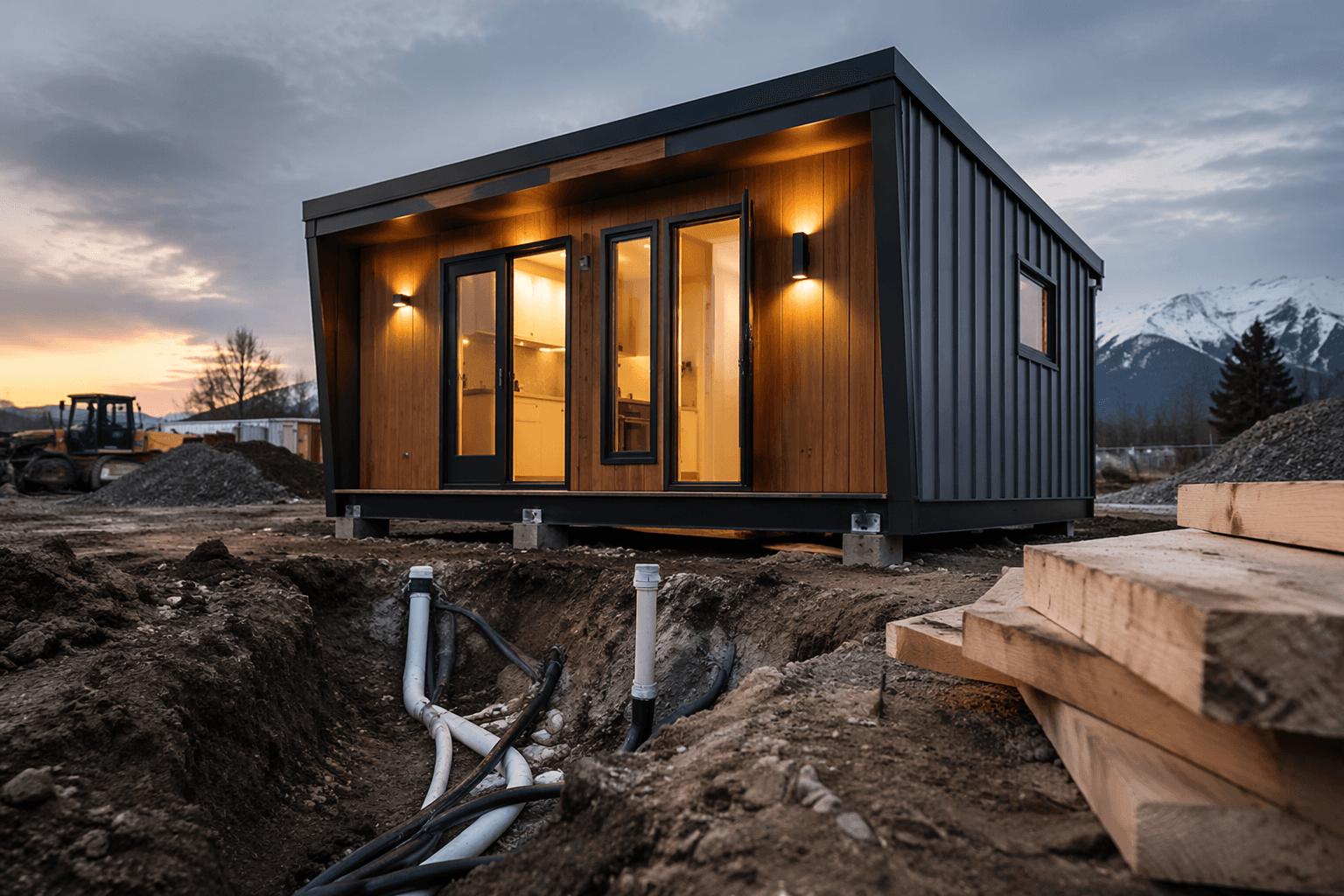
The conversation has also been practical, not abstract. Community members pointed to uses that fit the tiny-house and backyard-cottage world: housing for young adults aging out of foster care, older relatives, or seniors who want something smaller and easier to manage. City materials say ADUs can support multigenerational living, help older adults age in place, offer more attainable housing for younger residents and create supplemental income for homeowners.
Those hopes come with conditions. Residents have made clear that support will depend on the details, especially unit size, parking, owner occupancy, design standards and neighborhood aesthetics. Those are the levers Birmingham’s zoning code is built to pull, since zoning regulates building height, lot size, setbacks, parking requirements and other development controls. That is why the questions now being raised in public meetings could shape where ADUs are actually allowed, and how visible they will be on existing blocks.

More town halls are still on the calendar through June: the South Side meets at Avondale Public Library on June 11, Central Birmingham at Birmingham Public Library - Central Branch on June 16, North Side at North Birmingham Public Library on June 17, a virtual session on June 23 and the West Side at 5 Points West Public Library on June 30. In a city that passed its first zoning ordinance on August 4, 1926, and adopted its first comprehensive plan in 2013, this ADU push is moving through the planning machinery the city already knows best.
This article was produced by Prism’s automated news system from verified source data, official records, and press releases, then run through automated quality and moderation checks before publishing. The system is built and supervised by the people who set the standards it runs under. Read our full AI policy.
Did this article answer your question?