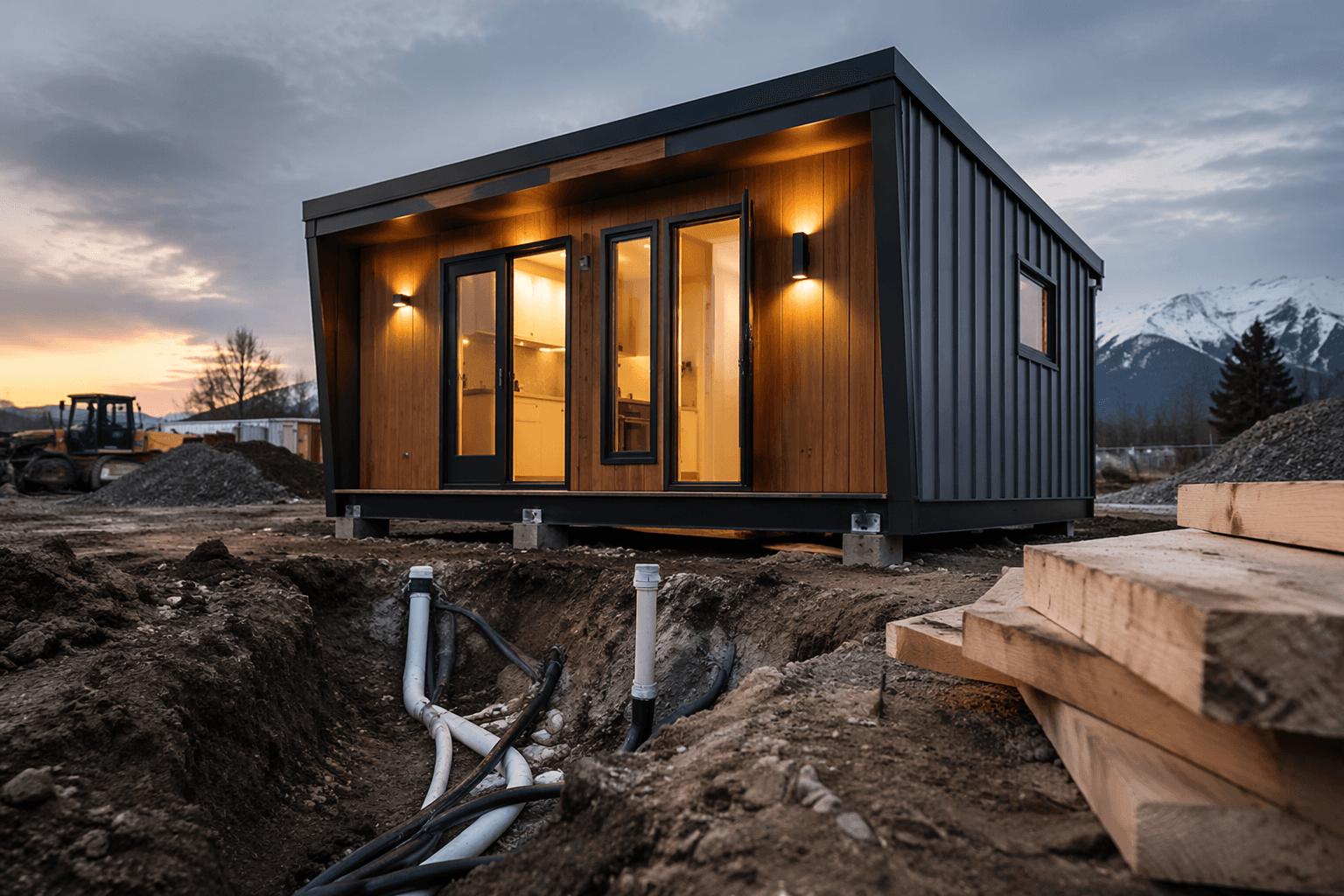
Bluff Street Village marks seventh tiny home, eyes eight more homes
Bluff Street Village unveiled its seventh tiny home after six years of work, with six residents already living in the first six houses. The next target is eight more homes.
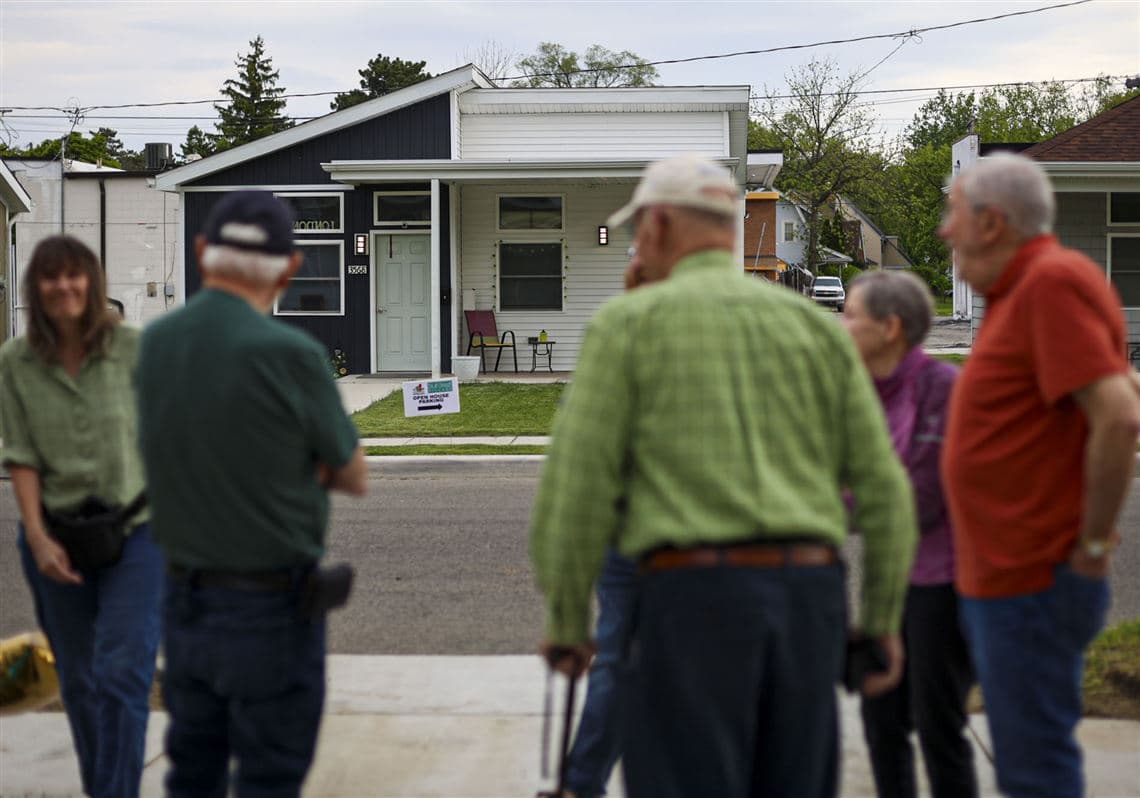
Six years after breaking ground, Bluff Street Village showed off its seventh tiny home at a Saturday open house, a milestone that underscored how slowly a tiny-home neighborhood can move from vision to reality. The central Toledo development, just east of Jermain Park, is still in an early stage even with seven homes standing and a bigger buildout still ahead.
Each house is about 400 square feet and built for one or two people. One resident lives in each of the six existing homes, and the village’s model is built around long-term stability rather than temporary shelter. Homeownership transfers after seven years, and residents are expected to take part in monthly tenants’ association meetings, put in 10 hours of community service each month, and meet monthly with a case worker.
The homes sit on formerly vacant lots along Bluff Street between Rosedale Avenue and Ottawa Drive, in Toledo’s Monroe-Auburn section. The project was folded into the Monroe Street improvement plan and was designed for people earning less than $18,000 a year, giving the village a clear affordable-housing target from the start. Village materials describe the street as having been nearly abandoned for years before the buildout began, and the plan is to replace that emptiness with a walkable neighborhood lined with tree-shaded sidewalks and pedestrian lighting.
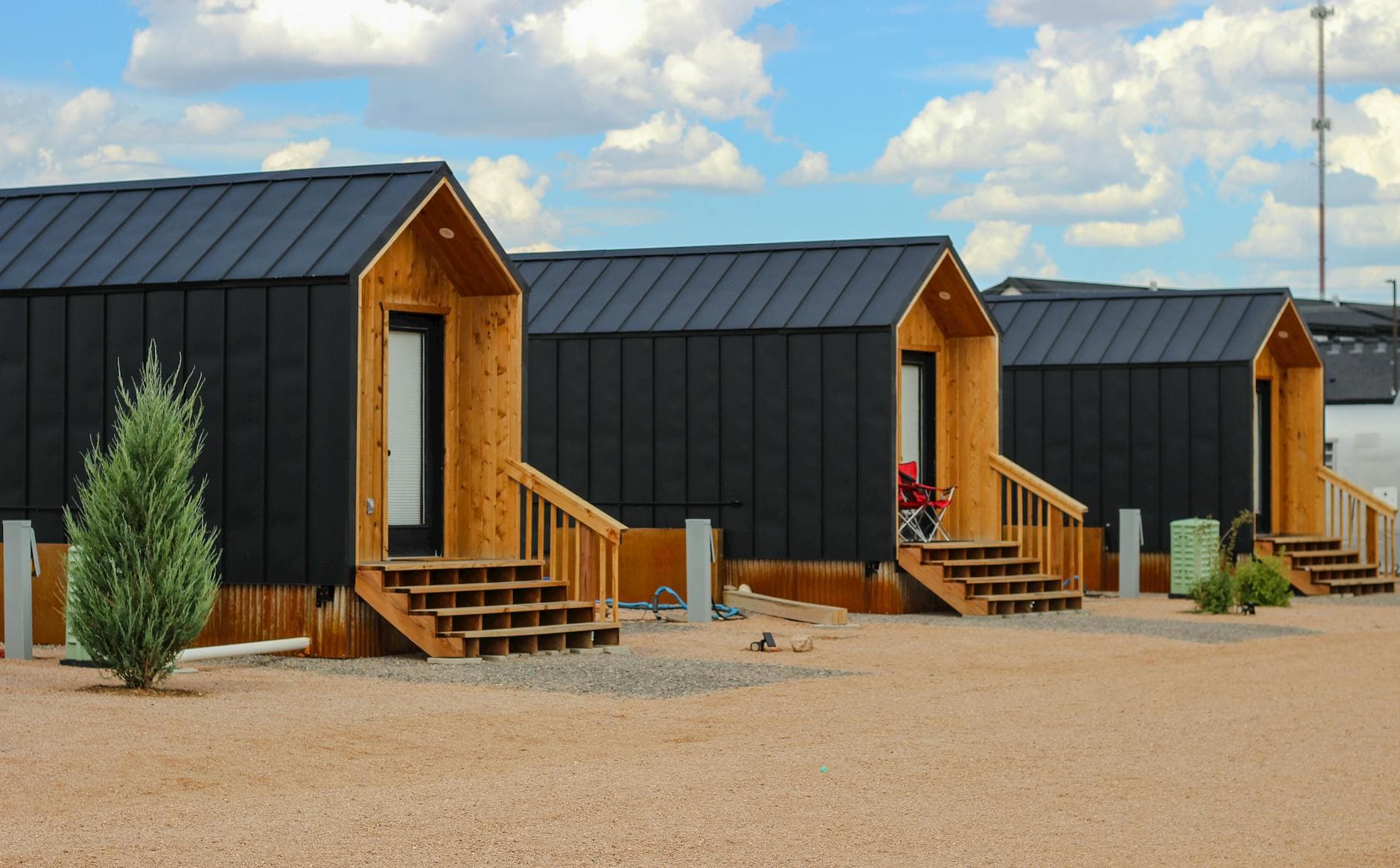
The next stretch will be the hardest part. Tracci Johnson said the goal is to complete eight more homes over the next four years, which would bring the development much closer to the 20-house vision first laid out for the site. Johnson said funding the final eight homes will require 1,000 people pledging $300 a year for four years, about $1.2 million in all. The project has also leaned on a wide mix of support from Home Depot, Owens Corning, Crandall’s Quality Landscaping, Monroe Street United Methodist Church, local businesses and private donors, plus a $200,000 grant from Lowe’s 100 Hometowns initiative.
That long timeline is part of the story here. In 2020, Bluff Street was still almost empty after demolitions, with only one uninhabited home left on the block. Six years later, the seventh tiny home stood as proof that the village is moving, but also as a reminder of how much time, money and volunteer capacity it takes to turn a nearly vacant street into a real neighborhood.
This article was produced by Prism’s automated news system from verified source data, official records, and press releases, then run through automated quality and moderation checks before publishing. The system is built and supervised by the people who set the standards it runs under. Read our full AI policy.
Did this article answer your question?