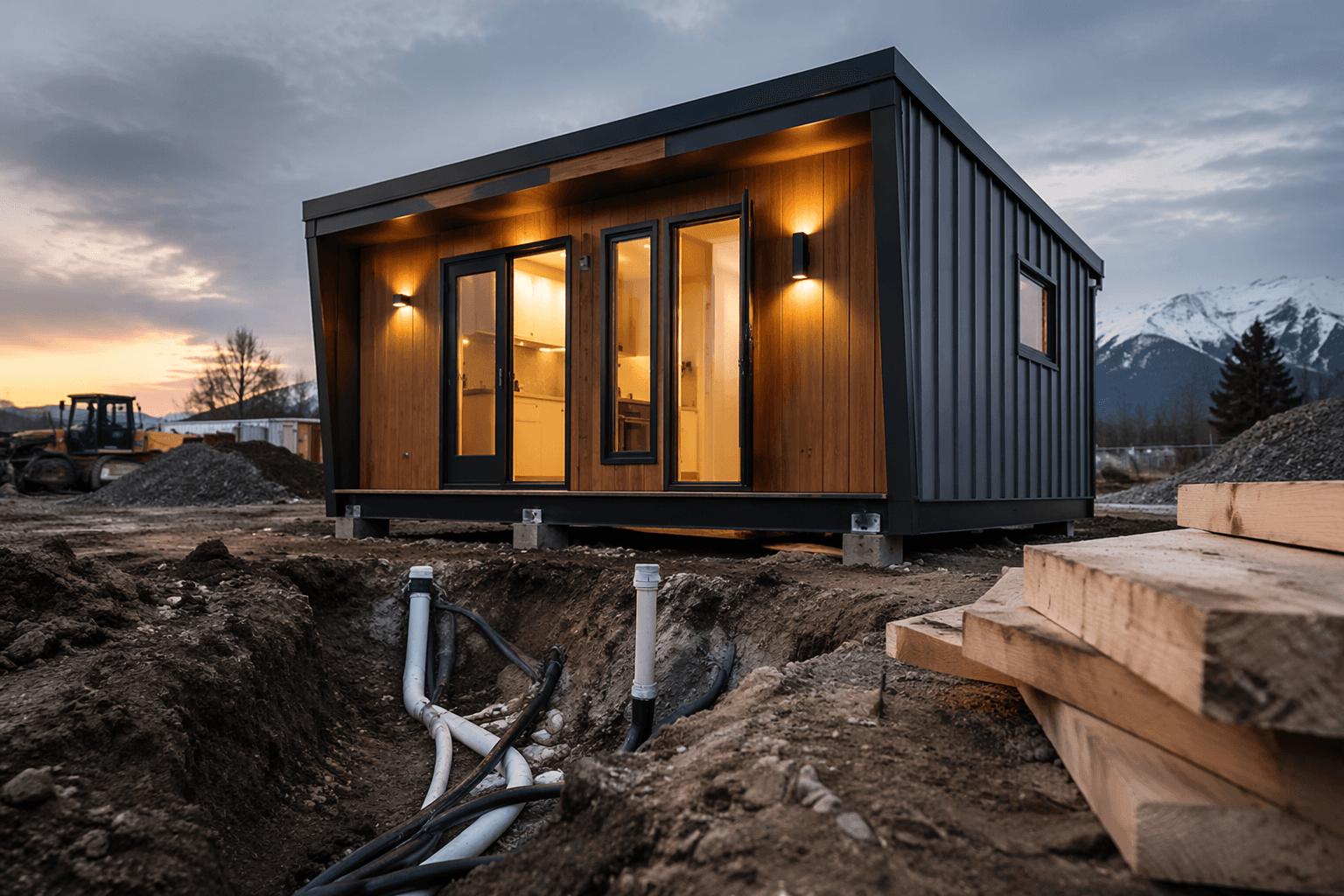
Canadian Millionaire Builds 99 Tiny Homes With Recovery Services, Jobs
Marcel LeBrun turned software-sale wealth into 99 tiny homes, then built recovery, work, and support services around them.
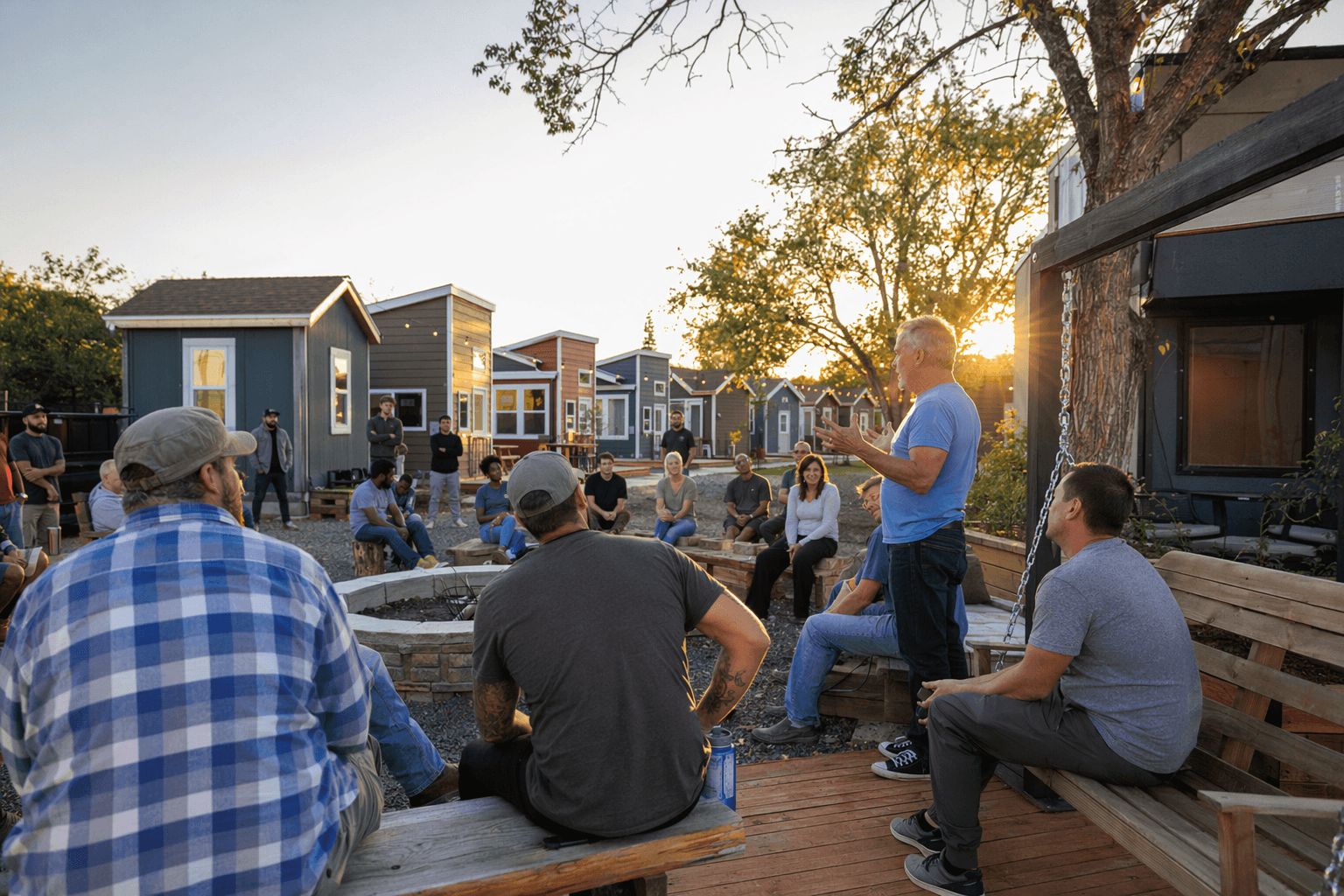
Marcel LeBrun did not stop at building tiny homes in Fredericton. He built a recovery system around them. Through 12 Neighbours, the Canadian registered charity he founded at 12 Neighbourly Way, LeBrun used the proceeds from selling his software business to fund a community designed for people who need more than a roof, with tiny homes, solar power, addiction and mental-health support, and a path into work.
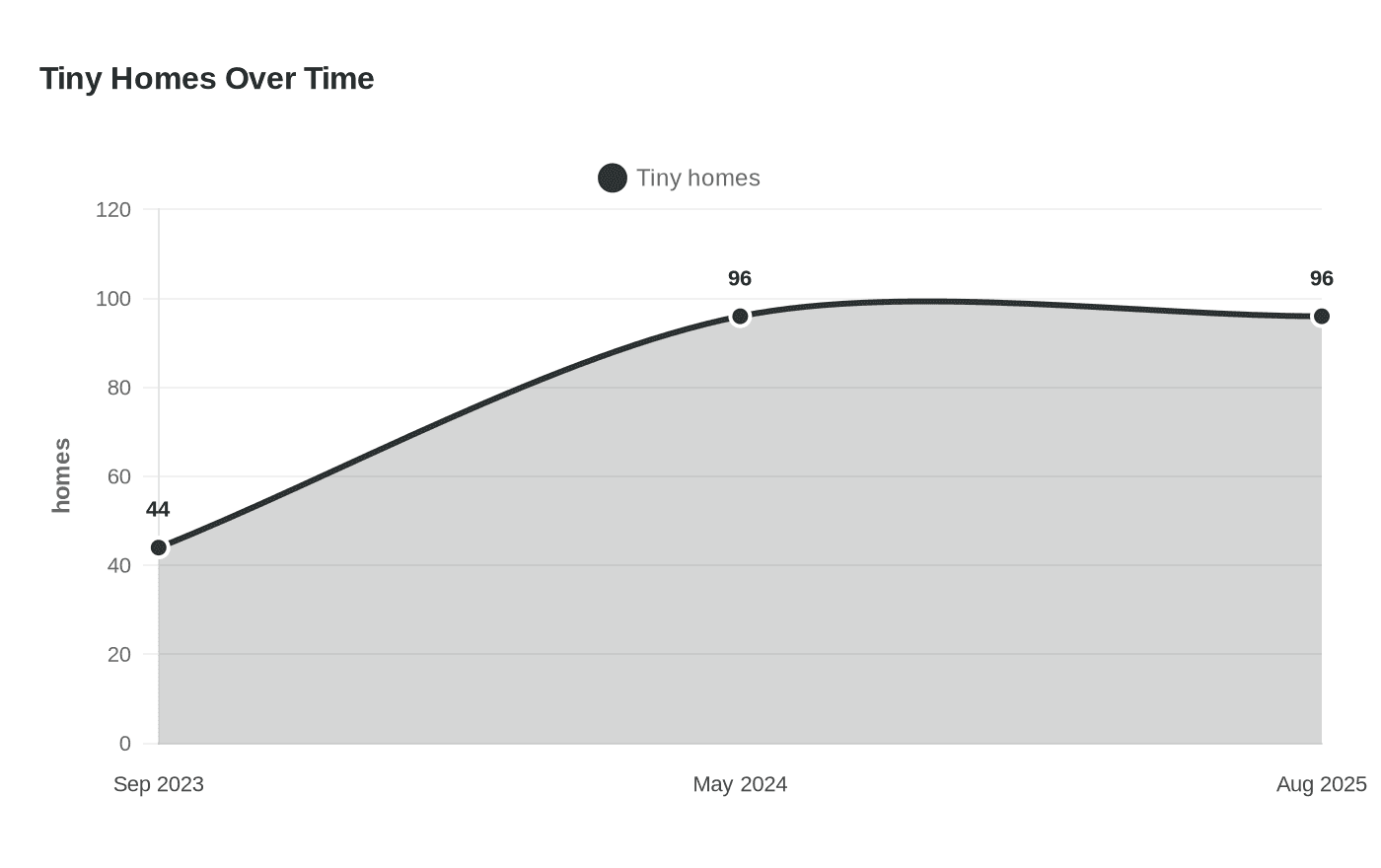
The scale is what makes it hard to ignore. By August 2025, 12 Neighbours said its Fredericton community had grown to 96 tiny homes, with more than 90 residents in permanent housing. CBC reported in September 2023 that the project had reached 44 units and 45 members, and in May 2024 the final tiny home had been placed in the community at home number 96, bringing it close to the original 99-home goal. For a housing response that began as one millionaire’s private initiative, it has become one of the clearest examples in Canada of what tiny homes can do when they are paired with services instead of offered as shelter alone.
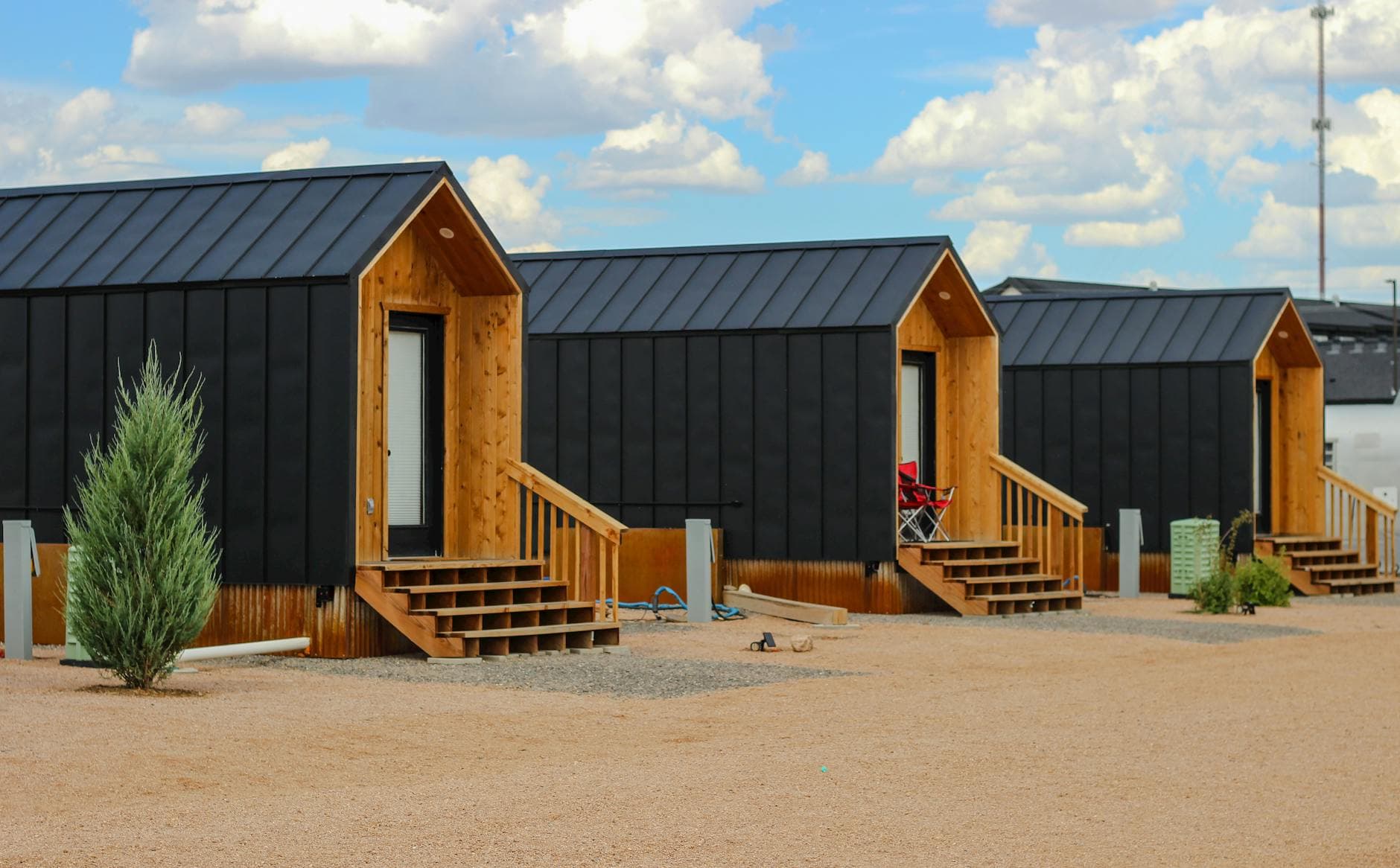
That service layer is the real difference. 12 Neighbours says donations help pay for employment, counselling, education, health, recovery, and other supports. Its model is built around permanent housing, recovery and development supports, and purposeful employment, with social enterprises such as a café and a print shop giving residents low-barrier work and skill development. The point is not only to move people inside a unit, but to help them move toward independence with a routine, a paycheck, and the stability that comes from having both.
Fredericton’s housing crisis gives the project its urgency. The city’s 2024 housing needs assessment put the population at about 77,500 and projected 41% growth by 2044. It said Fredericton will need 19,680 additional units by then, including 6,010 affordable units, while the rental vacancy rate sits below 1%. Nationally, the federal government estimated 119,574 people experienced homelessness in emergency shelters in 2024, with an average of 19,322 people staying in shelters on a given night. Against that backdrop, a 96-home community with built-in supports looks less like a boutique experiment and more like a serious test case.
The question for other cities is what it would take to copy it. The homes matter, but so do the supports, the donated funding that keeps them running, and the employment piece that makes recovery feel possible instead of abstract. Fredericton Homeless Shelters said more seniors were turning to shelters, with use likely up 20% to 30% since 2021, even as the city extended a temporary overnight homeless shelter at the Exhibition Grounds through April 30, 2026. That is the contrast 12 Neighbours puts on the table: temporary shelter can contain a crisis, but a tiny-home community with care, work, and permanent housing can start to change it.
This article was produced by Prism’s automated news system from verified source data, official records, and press releases, then run through automated quality and moderation checks before publishing. The system is built and supervised by the people who set the standards it runs under. Read our full AI policy.
Did this article answer your question?