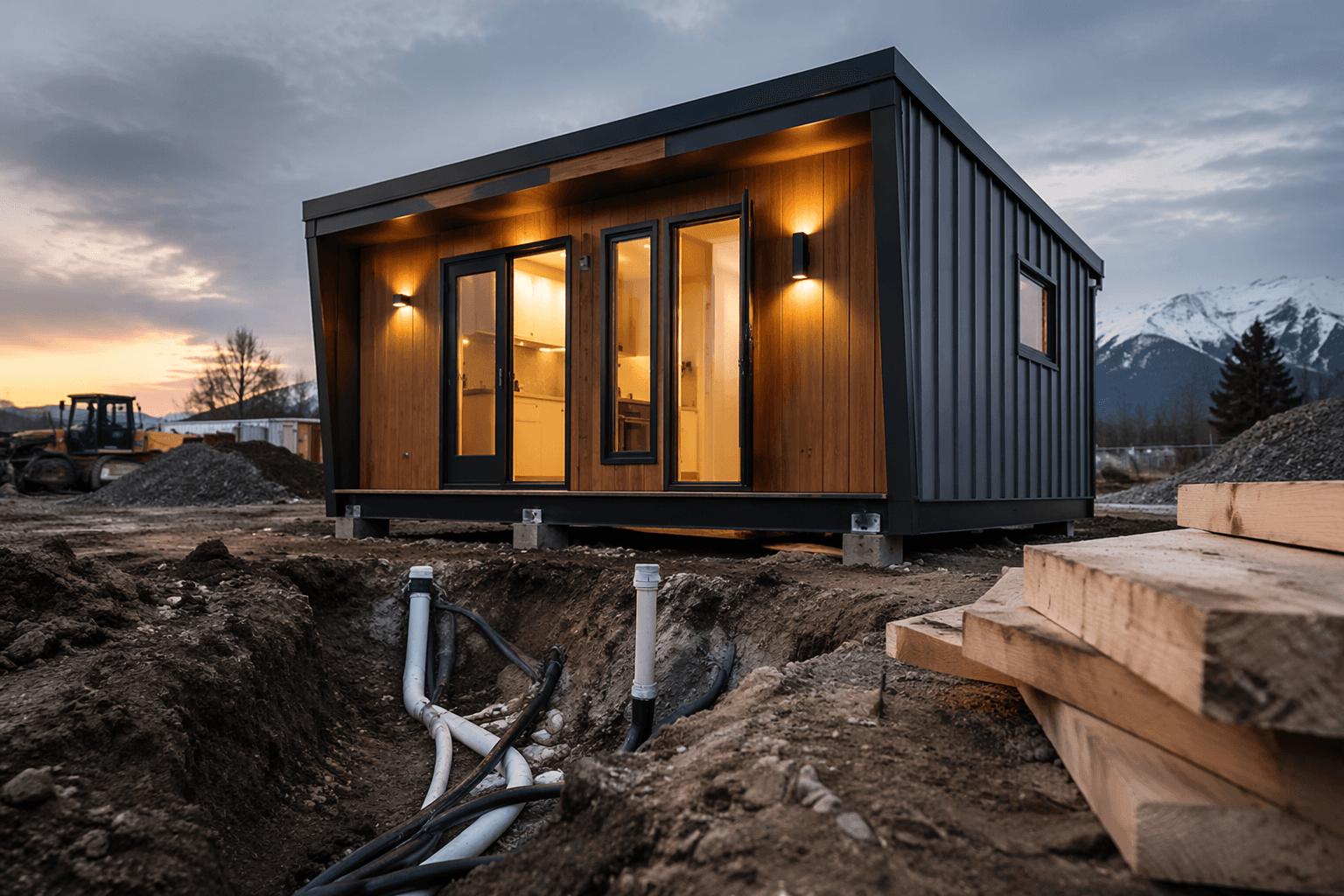
Cincinnati nonprofit plans 14-home village for homeless veterans
A Madisonville church lot is set to hold 14 tiny homes for homeless veterans, centered on a shared village green and backed by a $20,000 local donation.
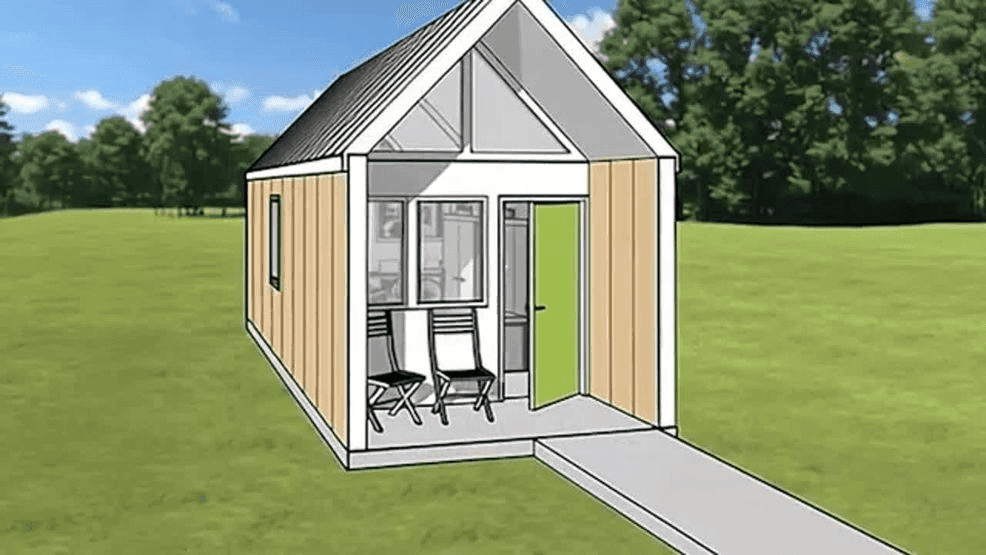
A vacant back lot at Gaines United Methodist Church in Madisonville is being lined up for 14 tiny homes for homeless veterans, with the homes arranged around a shared village green instead of scattered as isolated units. Tiny Homes for Humanity says the setup is meant to combine small-scale housing with the kind of support that can keep residents stable long enough to move forward.
The Cincinnati-based nonprofit is building the village as a permanent supportive community, not just a cluster of compact houses. Its plan includes wraparound services for physical health, mental health, recovery, and job skills, a mix that mirrors the broader veteran-housing approach used by the U.S. Department of Veterans Affairs. The Hamilton County Veterans Service Commission has already signaled local backing with a $20,000 donation.

Earl Crossland, the organization’s president, said the project grew out of more than just a design idea. Crossland, who spent years as an architect designing large buildings and schools including Taft and Mason high schools, said Tiny Homes for Humanity talked with more than 30 community leaders and CEOs working on veterans and homelessness before settling on this model. The nonprofit, which describes itself as a Cincinnati-based 501(c)(3), says its mission is building homes to rebuild lives.
The Madisonville project also marks a shift from the group’s earlier, larger concept. A 2024 plan called for 25 handicapped-accessible tiny homes of about 400 square feet each, along with an on-site manager, community gathering spaces, a dog park and a community garden. That earlier effort also underscored one of the sector’s biggest hurdles: the group spent six months searching for land with the right zoning, size and location before finding a workable path.
That land issue is what makes the church-lot deal stand out. With Madisonville drafting its first neighborhood plan and weighing affordability, housing and preservation, the veterans village lands in the middle of a larger conversation about how underused urban property should be put back to work. Nationally, the need remains stark, with the U.S. Department of Housing and Urban Development reporting 745,652 people homeless on a single night in January 2025, even as the VA says it permanently housed 51,936 homeless veterans in fiscal year 2025.
For tiny-house readers watching for a model that can travel, the Madisonville project now has the parts that matter most: a defined site, a 14-home count, named services, and local backing. What remains is execution, and whether this church-lot village becomes the kind of repeatable veteran-housing template that can move from one neighborhood to the next.
This article was produced by Prism’s automated news system from verified source data, official records, and press releases, then run through automated quality and moderation checks before publishing. The system is built and supervised by the people who set the standards it runs under. Read our full AI policy.
Did this article answer your question?