City approves affordable tiny-home community in east Las Vegas despite objections
Las Vegas approved 50 tiny homes on a vacant east-side lot even after staff and planners urged denial, pushing a $6 million project toward 2027.
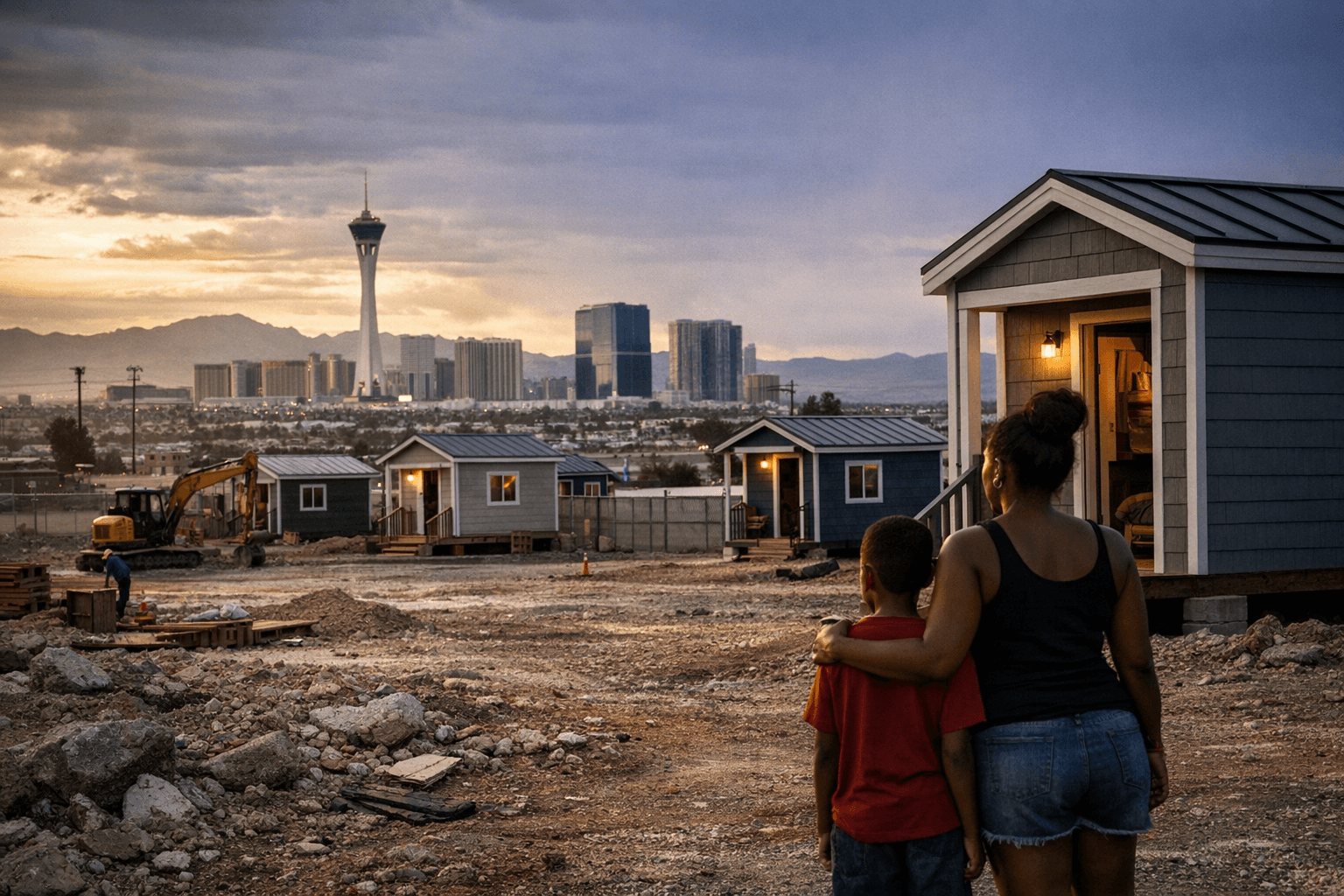
East Las Vegas is getting a 50-unit tiny-home community after the City Council unanimously approved the project on April 1, even though city staff and the Planning Commission had both recommended denial. The vacant 2.25-acre parcel sits at the northeast corner of Searles Avenue and 23rd Street, and the plan now moves forward as a sharp test of how affordable tiny-home housing gets built when the usual gatekeepers say no.
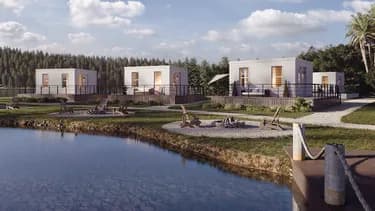
The development, now being branded Sunridge on Searles, is led by Accelerated Real Estate with Boxabl supplying the homes. It is being pitched as a roughly $6 million infill project built for renters who need a lower-cost foothold in a market where the median asking rent in the Las Vegas-Henderson-Paradise metro was reported at $1,423. The expected base rent is $1,000 a month, with utilities included, and the homes are slated to come fully furnished, a big part of the affordability case.
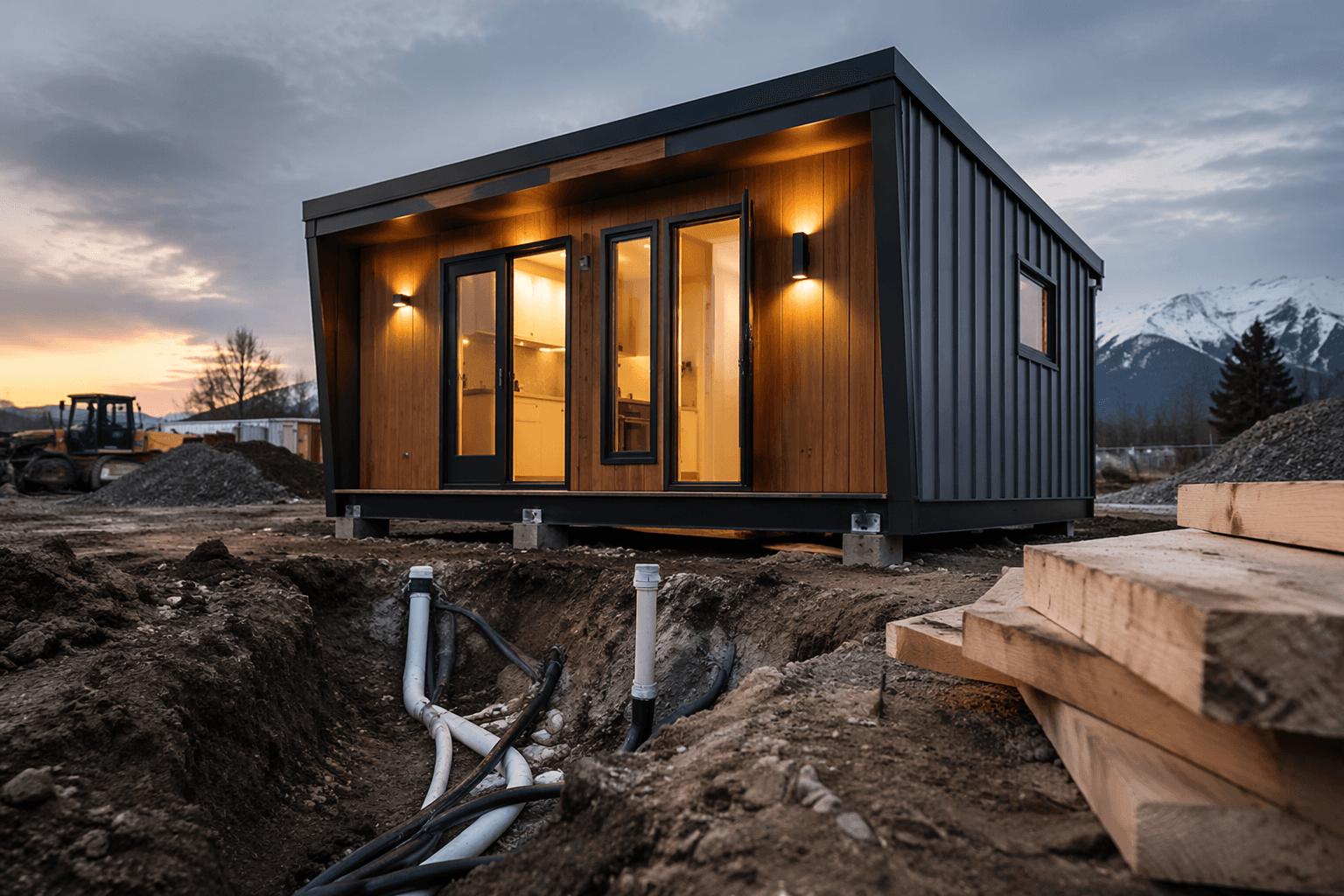
Each unit is about 361 square feet, according to Boxabl’s Casita Studio listing, with a compact layout that folds the living area, kitchen and bathroom into one studio footprint. Boxabl says the product includes a full kitchen, bathroom and living space, with HVAC, electrical and plumbing preinstalled. The company’s consumer site lists the studio package at $895 per month, while the Las Vegas project’s projected rent is higher because of the broader on-site cost structure and included utilities.
The politics around the vote mattered as much as the footprint. City staff and the Planning Commission had recommended rejecting the proposal, but elected leaders overruled them and gave the project the green light anyway. Mayor Shelley Berkley described herself as thrilled about the project, and the council’s unanimous approval signaled that members saw a housing need that outweighed the objections raised by planners. Seniors in the area spoke in favor of the project at the council meeting, underscoring the demand for smaller, more attainable homes in a part of the city where prices have moved far beyond many fixed incomes.
Developer Gary Gumm said the homes will be attached to a foundation rather than placed on wheels, a detail that sets the project apart from some tiny-home models and helps frame it as permanent housing rather than a mobile setup. Boxabl CEO Paolo Tiramani said the project fits the company’s effort to address the housing crisis through technology and scale. Permits still have to be secured before construction can move ahead, and a company spokesperson said move-in could happen by the end of 2026 or in the first quarter of 2027.
This article was produced by Prism’s automated news system from verified source data, official records, and press releases, then run through automated quality and moderation checks before publishing. The system is built and supervised by the people who set the standards it runs under. Read our full AI policy.
Did this article answer your question?