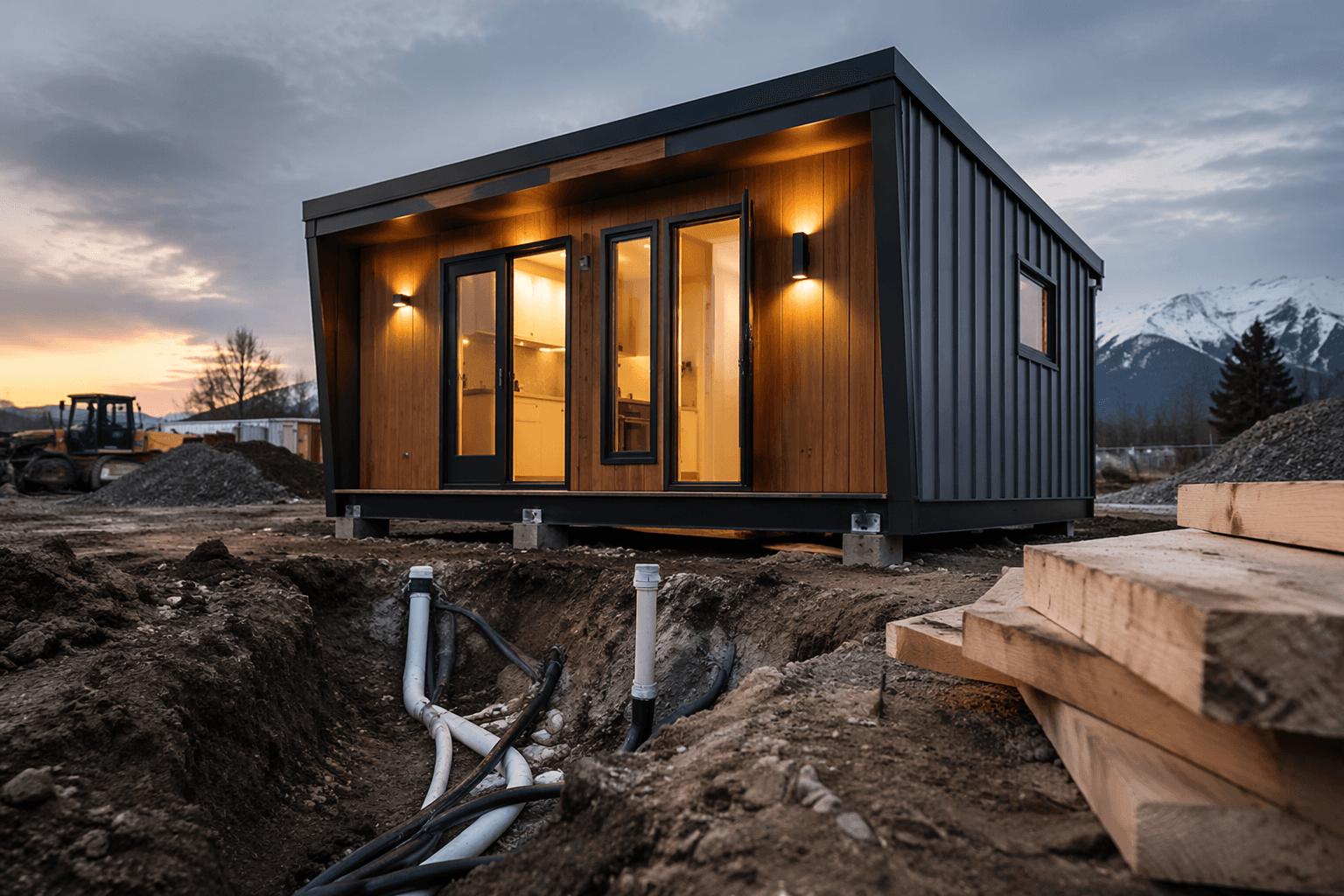
Pensacola tiny-home village nears opening to house low-income seniors
Trinity Village’s nine tiny homes are built and nearly ready, bringing a faith-backed housing response to downtown Pensacola for seniors priced out by rising costs.
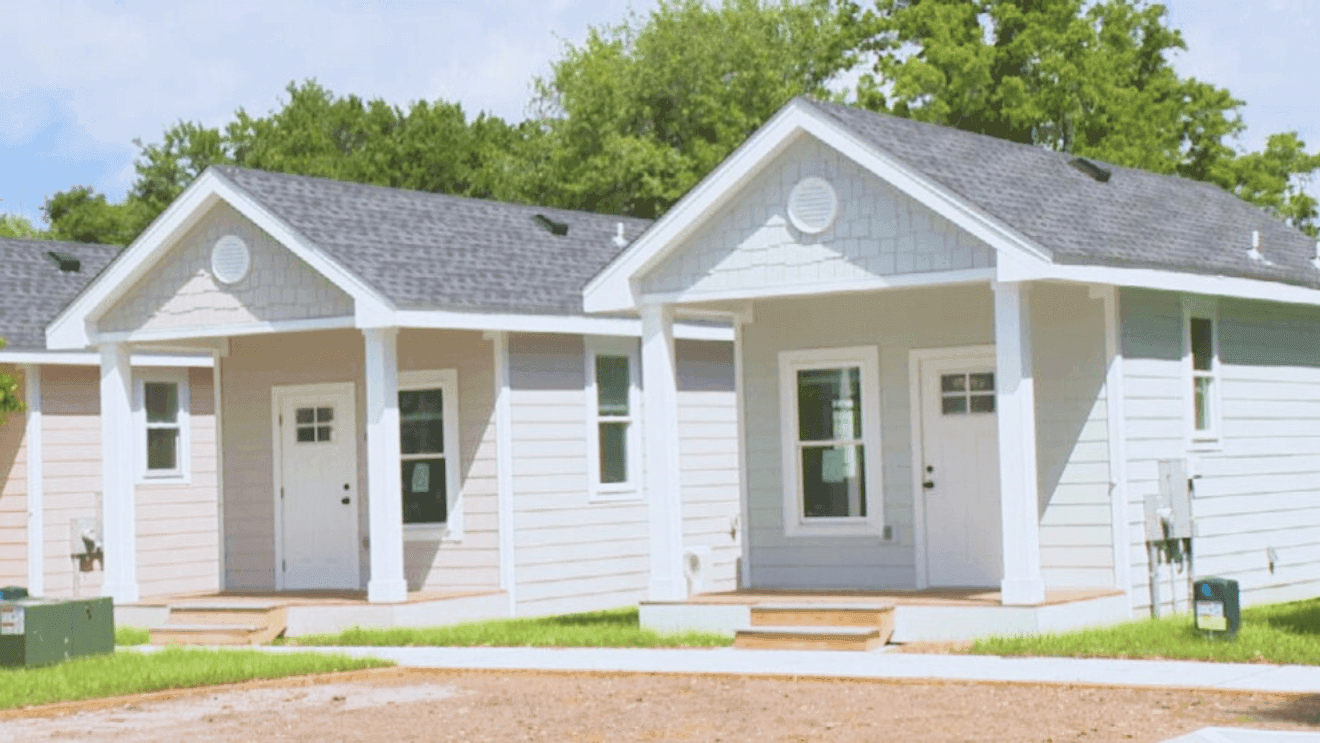
Trinity Village’s nine tiny homes on Garden Street are complete, putting Pensacola’s newest faith-backed housing effort just steps from opening. The Catholic Diocese of Pensacola-Tallahassee said the downtown community is nearly ready to welcome residents after about two years of development through Trinity House LLC.
The project is aimed first at single low-income seniors, a group the diocese says has been squeezed by rising rents, property taxes, insurance rates and home maintenance costs across Northwest Florida. Each home is just under 300 square feet, but the units are designed as full residences, with a kitchen, living room, dining room, bathroom, sleeping area, laundry room and front porch.
That matters in a county where the housing crisis remains severe. Opening Doors Northwest Florida counted 1,155 people experiencing homelessness in Escambia and Santa Rosa counties on Jan. 26, and local reporting said Escambia County logged more than 1,500 evictions during January. In county planning documents, officials also said about 300 affordable rental units were expected to convert to market rate in the coming year, while no new affordable rental developments were underway at the time of consultation.
Escambia County’s HOME-ARP plan set aside $4,135,750 in federal funding for local housing and support efforts, including $2,895,025 for affordable rental housing development and $827,150 for supportive services. Against that backdrop, Trinity Village stands out as a small but concrete response, with nine units targeted to people who often fall through the cracks when rents rise faster than fixed incomes.
The village began taking shape in fall 2024, and county application materials describe it as a project for single individuals, with applicants under 55 reviewed case by case. The diocesan materials say Trinity Village will use a Housing First model, pairing stable housing with case management and mentoring so residents can work through the problems that pushed them into instability in the first place.
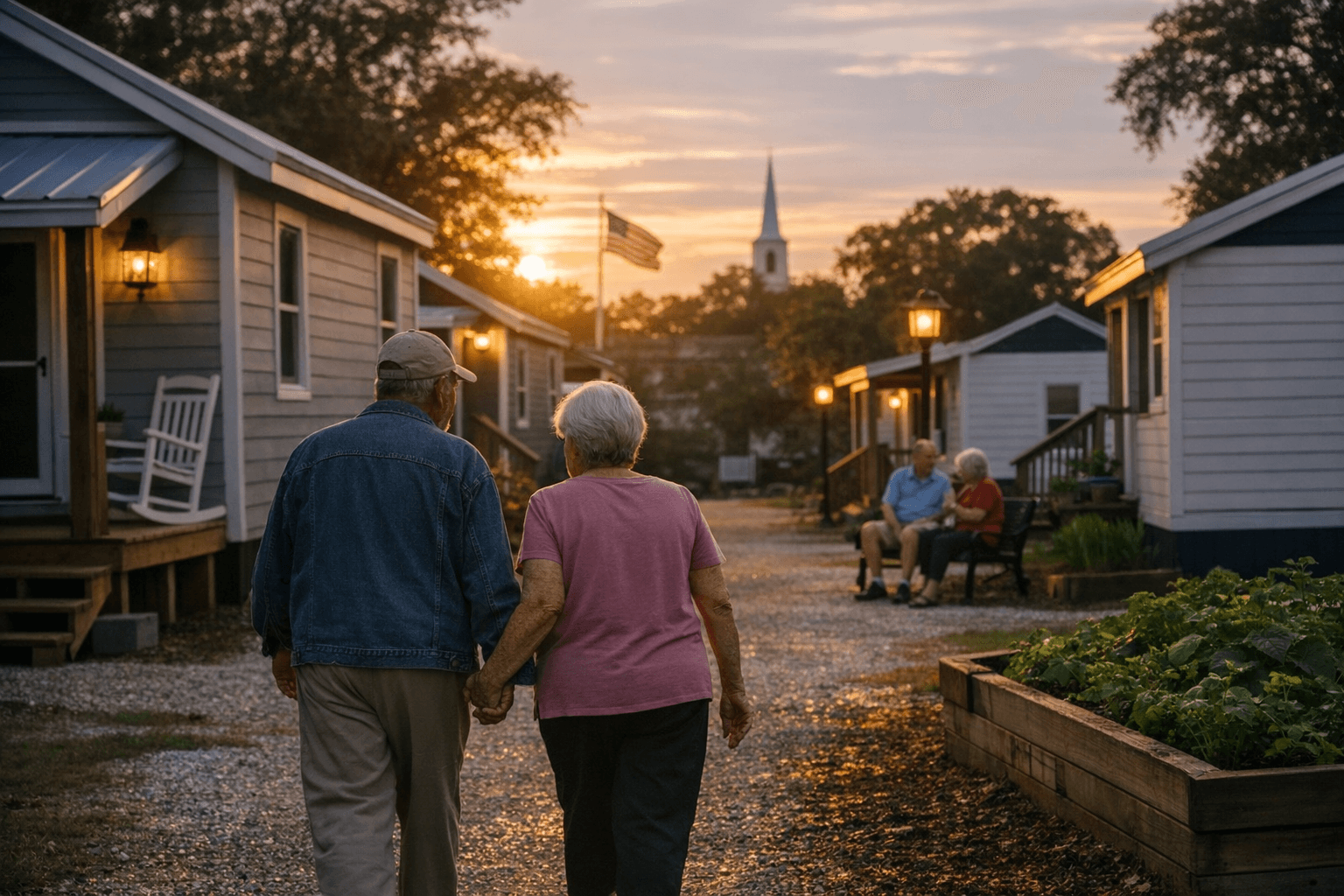
That support will go beyond a front door and a set of keys. Trinity Village plans to help residents secure identification cards, driver’s licenses, Social Security cards or benefits, food stamps and other senior services. Applicants must apply, interview with Trinity Village, undergo a health screening and pass a background check before moving in.
Deacon Ray Aguado has said the village is ready to go, but the organization still needs money to furnish the homes with appropriately sized furniture before residents arrive. The grand opening is set for May 1, with Bishop William Wack and Mayor D.C. Reeves expected to attend.
Pensacola has seen tiny-home housing before, including Fresh Start Village for youth aging out of foster care, but Trinity Village shifts that model toward older adults who are being priced out of the market. With the homes built and the resident services lined up, the project is moving from concept to a measurable housing solution.
This article was produced by Prism’s automated news system from verified source data, official records, and press releases, then run through automated quality and moderation checks before publishing. The system is built and supervised by the people who set the standards it runs under. Read our full AI policy.
Did this article answer your question?