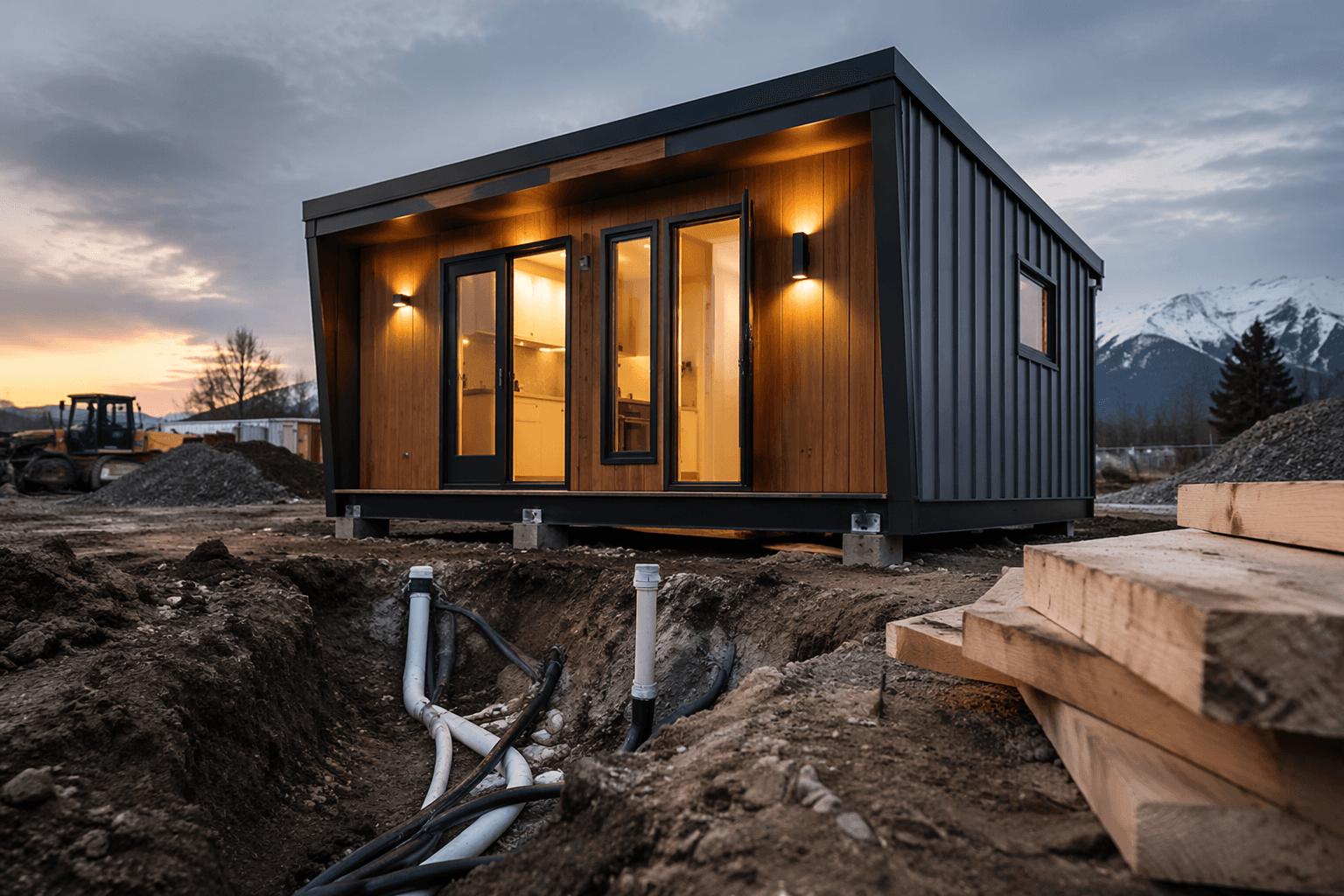
Zip Kit Homes’ Teton brings upscale, climate-ready living to 340 square feet
The Teton squeezes a real-house build spec into 340 square feet on the main floor, then backs it up with a loft, spray foam, and code-minded construction.
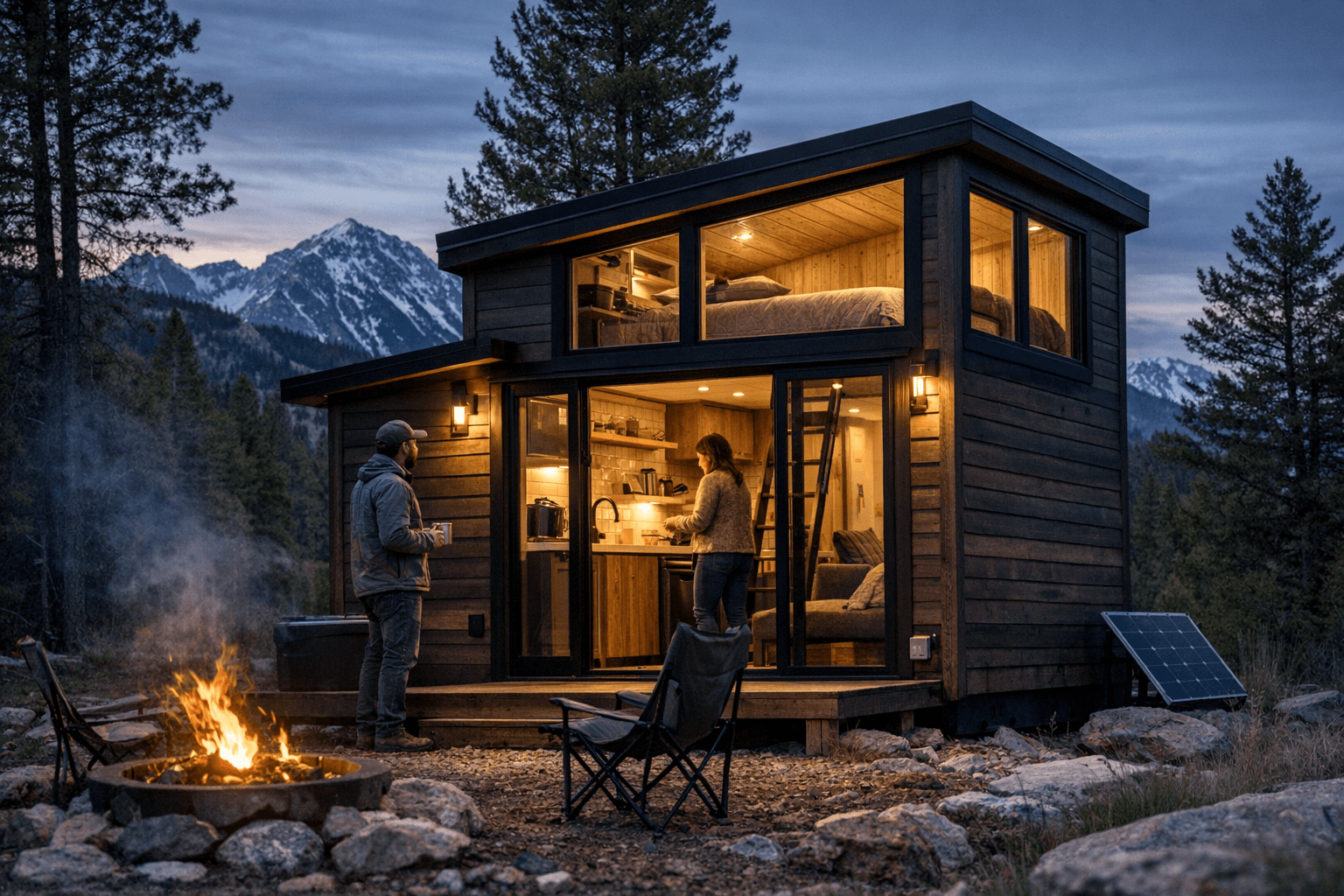
A small footprint that behaves like a real house
Zip Kit Homes’ Teton is not trying to win the tiny-house category with charm alone. It is a 340-square-foot modular studio with about 100 square feet up in the loft, and the whole point is to make that compact footprint feel finished, durable, and genuinely livable. The layout reads as studio-plus-loft rather than a novelty box, which is exactly why it stands out in a market crowded with pretty-but-fragile small homes.
That matters because the Teton is being pitched as more than a weekend escape. The company frames it as a guest house, a minimalist retreat, and a year-round living option, which raises the bar on everything from insulation to appliance selection. If a small home is going to work in the real world, it has to do more than photograph well, and the Teton is built around that idea.
Materials that make the interior feel finished, not flimsy
The interior spec is where the Teton starts to separate itself from the typical tiny-house showroom piece. Standard finishes include quartz or granite countertops, brushed wood-look cabinets, waterproof SPC flooring, and light skip-trowel drywall, all of which push the home toward a more permanent, residential feel. Even the optional accent wall is doing useful work here, adding warmth without crowding the compact footprint.
The kitchen leans hard into the “move-in ready” promise with a full LG stainless-steel appliance package. That choice matters because a lot of tiny homes save money by shrinking the kitchen into something that looks more like a set dressing than a functioning room. The Teton’s approach is the opposite: it treats the kitchen like a real kitchen, which is the difference between a tiny home that impresses for a day and one that stays practical after the novelty wears off.
Built for weather, not just for a brochure
The most interesting part of the Teton is not the styling, it is the technical stance behind it. Zip Kit says the home is built to IRC residential code and intended as a permanent structure on a foundation, which puts it in a different category from casual trailer-based tiny homes. That foundation-first mindset is reinforced by spray-foam insulation in the floors, walls, and ceilings, a choice that makes a lot of sense if you care about energy performance and cold-weather comfort.
Zip Kit also engineers the Teton for harsh Mountain West conditions, and that is where the model becomes more than a design exercise. The company lists snow-load options that go from 35 to 100 PSF for an added $1,500, or up to 250 PSF for an added $4,965, which is the kind of number that tells you this is meant for serious weather, not just mild-climate living. Add the mini-split system for climate control, and the message is clear: this is built to stay comfortable when the season turns.
The rooftop deck is another smart move, not a gimmick. It uses a TPO waterproof deck and steel cable railing, so it adds outdoor living without feeling like a fragile afterthought. In a 340-square-foot home, that outside zone does a lot of work, because every usable square foot that gets pushed outdoors makes the main interior feel less cramped.
Why the loft changes the livability equation
The loft is not just extra square footage, it is what keeps the Teton from feeling boxed in. With roughly 100 square feet upstairs, the home gets a second zone for sleeping, storage, or occasional guests, which makes the main floor easier to live in day to day. That matters in a studio because once the bed, kitchen, and sitting area all compete for the same plane, the floor plan can get old fast.
Here, the loft gives the Teton a more flexible rhythm. You can keep the lower level cleaner for cooking, working, and lounging, then use the loft to hide the visual clutter that usually overwhelms small-space living. That kind of separation is one of the quiet advantages of a well-planned tiny home, and it is one of the reasons this model feels more like a small permanent home than a temporary cabin.
The price, the install, and the reality of going modular
Zip Kit lists the Teton at $119,600 for the modular unit, and that is before shipping. The company says transport is quoted at about $16 to $25 per mile from Cedar City, Utah, which is the kind of line item that can change the whole budget depending on where the home is headed. Buyers also need to think about the snow-load upcharge, because the base spec is not the same thing as the final build spec once climate requirements are in play.
Independent prefab coverage puts Zip Kit’s all-in costs around $160 to $250 per square foot, depending on location and site conditions, which lines up with the reality that the shell price is only part of the story. The Teton is currently offered in Utah, Idaho, Wyoming, and Montana, so it is clearly aimed at markets where winters, mountain conditions, and code compliance are front-of-mind. That regional focus makes sense: a home like this sells best where climate readiness is not a luxury, but a necessity.
The other practical detail is that Zip Kit says the Teton is built off-site in a controlled factory and delivered ready to start renting. That makes it relevant for AirBNB use, landscape hotel projects, and any buyer who wants a rental-ready modular unit instead of a drawn-out custom build. In a market where time-to-revenue matters, a move-in-ready prefab can beat a prettier concept that takes months longer to finish.
Why Zip Kit is pushing this model now
Zip Kit Homes says it started in 2011 and is based in Cedar City, Utah, and the company’s broader track record helps explain why the Teton feels so dialed in. Independent coverage says Zip Kit has built 500-plus homes and typically completes projects in about 12 weeks including installation, which is a very different proposition from the slow, uncertain path many custom tiny-house buyers know too well. The company is also not treating tiny homes as a one-off side hustle; the Teton sits alongside larger models like the Yellowstone and Ridgeline, which signals a broader prefab strategy.
That bigger-picture context is why the Teton matters. It shows that a 340-square-foot home can be specified like a serious piece of housing, not a stunt build, if you commit to code, insulation, structure, and a layout that earns its space. For anyone watching where tiny homes are heading next, the lesson is simple: the winning products will not just be smaller, they will be tougher, smarter, and far more deliberate about every square foot.
This article was produced by Prism’s automated news system from verified source data, official records, and press releases, then run through automated quality and moderation checks before publishing. The system is built and supervised by the people who set the standards it runs under. Read our full AI policy.
Did this article answer your question?