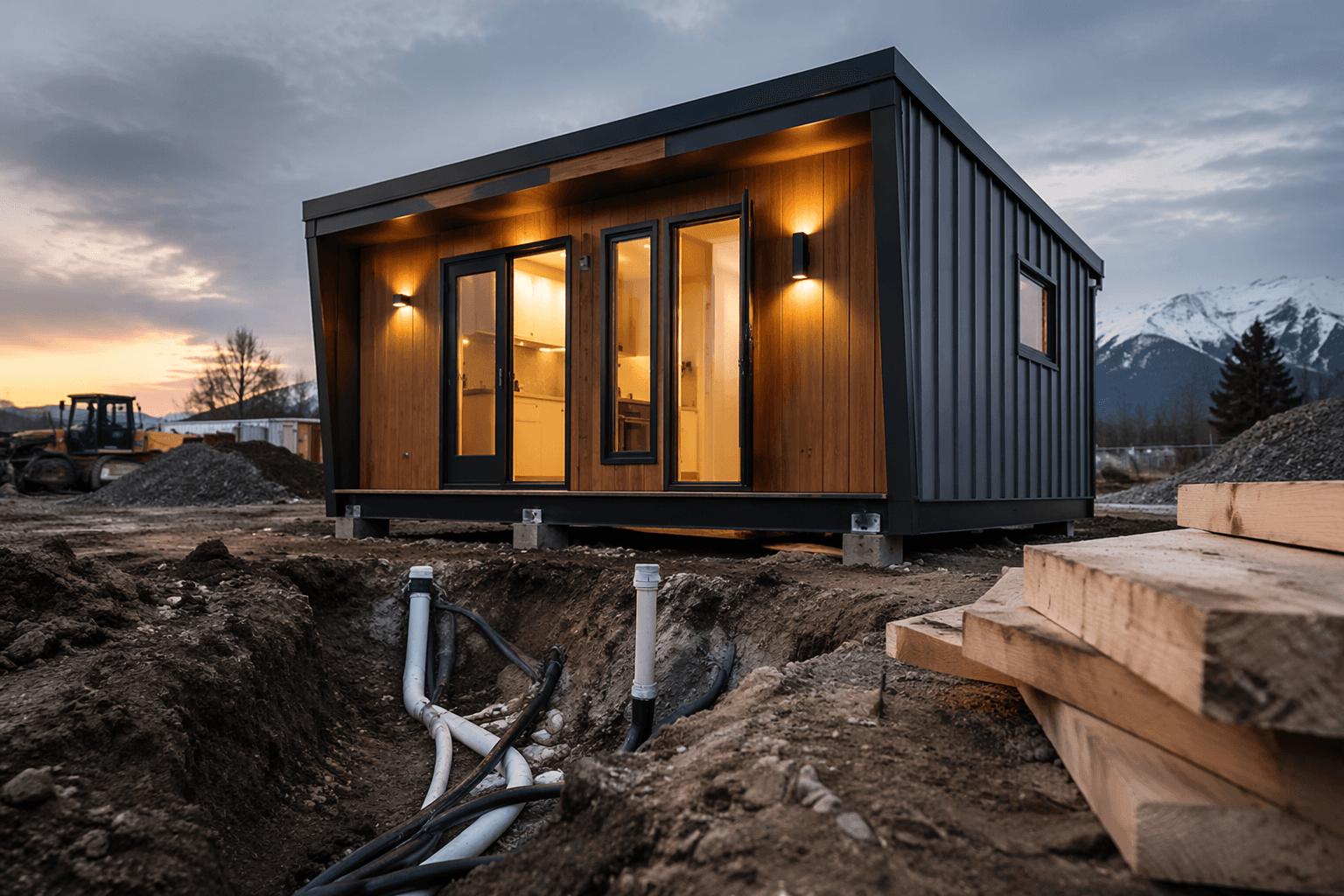
Hampton weighs $4.5 million tiny-home community to address homelessness
Hampton is considering a $4.5 million tiny-home community, with $2 million already in hand and a $2.5 million request still on the table.
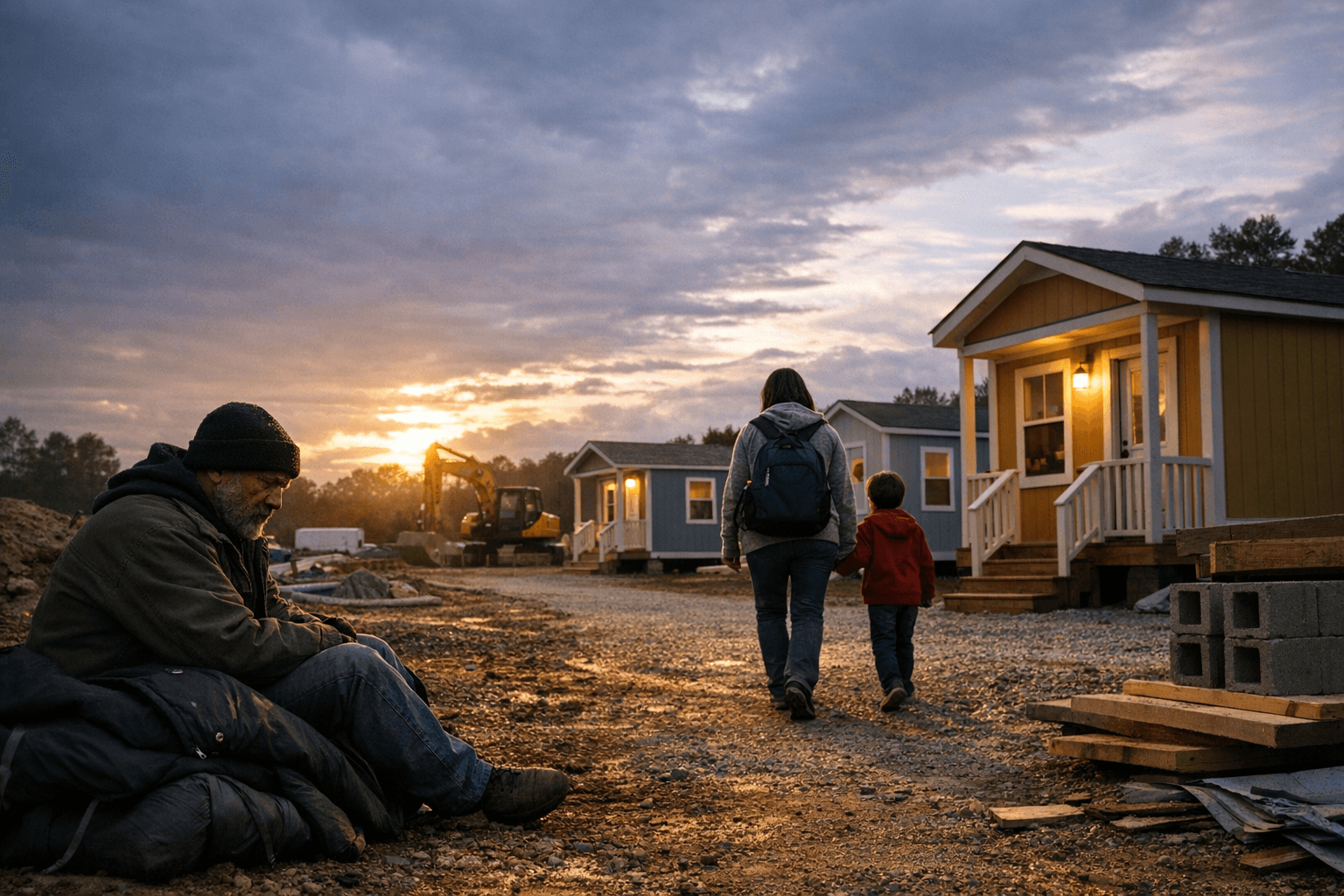
A $4.5 million tiny-home community could become Hampton’s newest homelessness response, but the city is still at the planning stage and has not picked a site. City Manager Mary Bunting previewed the proposal at the April 8 Hampton City Council work session as part of the proposed 2026-2027 budget, framing it as transitional, supportive housing built around tiny homes.
The money question is already clear. Hampton says $2 million is available from housing funds such as CDBG and HOME, while another $2.5 million is being requested to move the project forward. That is the scale of the bet before a single unit is placed or a single resident is housed. The city has tied the idea to a multi-year effort to fill a gap in regional shelter capacity for Hampton and nearby Newport News, but the proposal remains early enough that the basic map is still blank.
That uncertainty matters because the need is not abstract. Hampton joined a regional homelessness initiative on May 15, 2025 after a Peninsula-wide study found that lack of affordable housing was the main driver of homelessness in the region. The Greater Virginia Peninsula Homelessness Consortium includes Hampton, Newport News, Poquoson, Williamsburg, James City County and York County, and the 2025 Point-in-Time count for that six-jurisdiction area found 637 people experiencing homelessness, down from 670 the year before. Even with that dip, the region’s shelter system remains strained, with only 38% of emergency shelter beds available year-round in 2025.
That is why the tiny-home concept is drawing both interest and skepticism. Matthew Stearn, executive director of HELP, Inc., said city investment in homelessness intervention should be applauded, but he questioned whether a tiny-home community is the best use of money if the region needs higher-density shelter options more urgently. In tiny-house terms, the proposal sits in the middle ground between emergency shelter and permanent housing: more stable than a cot, less final than an apartment lease.
The timing is especially sharp because Hampton’s housing plan is unfolding alongside a tougher public-camping policy. The Hampton City Council approved an ordinance on April 8 that makes camping and sleeping outdoors on public property illegal, with violations treated as a Class 2 misdemeanor. Police must first issue warnings and offer housing assistance, and the stakeholder group that reviewed the measure had recommended voluntary compliance, outreach and alternative sleeping locations before enforcement. For now, the tiny-home proposal looks less like a finished answer than a costly test of whether Hampton can turn a housing gap into actual units, and whether that investment can relieve pressure in a region still short on places to send people tonight.
This article was produced by Prism’s automated news system from verified source data, official records, and press releases, then run through automated quality and moderation checks before publishing. The system is built and supervised by the people who set the standards it runs under. Read our full AI policy.
Did this article answer your question?