Clayton tiny home offers full-size laundry, two baths, and room to spare
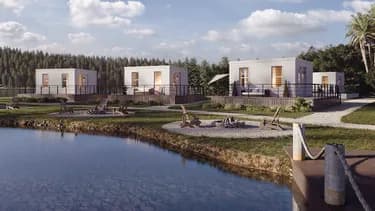
Clayton’s 960-square-foot Lodge blurs the line between tiny house and starter home, pairing small-footprint living with full-size laundry and two baths.

A 960-square-foot home can still wear the tiny-house label, but Clayton’s Lodge pushes the category right to its edge. At 16 by 60 feet, it keeps the compact footprint that draws downsizers, yet it trades the usual loft-heavy compromises for a layout that feels built for everyday life.
A tiny-house label stretched by real-world comfort
The Lodge sits in the awkward, fascinating middle ground where tiny-house branding meets manufactured-housing practicality. It is small enough to appeal to buyers chasing a lighter footprint, but large and efficient enough to work as a long-term residence for a couple or small family. That is exactly why it matters in the tiny-house conversation: it asks whether the movement is really about square footage, or about living with less waste and more intention.
Clayton’s approach makes the home read less like a stripped-down trailer and more like a highly efficient starter home. The size is modest by conventional standards, but the design choices are aimed at making the house feel complete, not temporary. For a market that has long associated tiny living with ladders, sleeping lofts, and tight daily routines, that shift is a big deal.
What The Lodge keeps that many tiny homes leave out
Inside, the plan centers on an open living-and-kitchen area, visible ceiling beams, and island storage. Those details do more than make the space look polished. They help the home function like a real household hub, where the kitchen does not feel like an afterthought and the main living area can handle everyday use without constant rearranging.
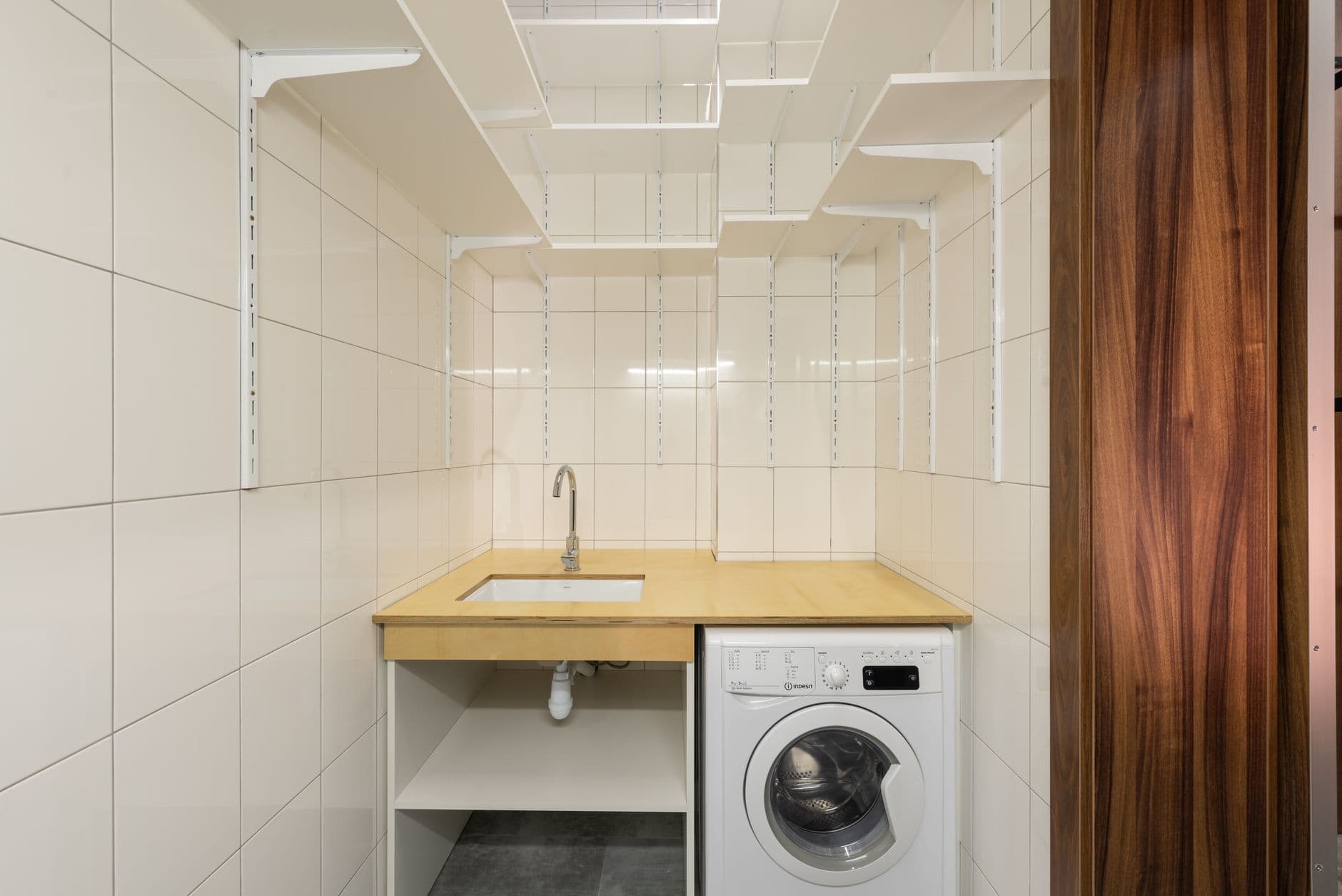
The biggest departures from classic tiny-house expectations are the two bathrooms and the full-size laundry setup. Those are the kinds of features many tiny-home shoppers say they want most, even as they accept that smaller homes usually force tradeoffs. By keeping both, The Lodge preserves routines that matter in daily life, especially for anyone planning to stay in the home full time rather than using it as a weekend cabin or occasional retreat.
The metal roof also adds to that sense of durability and permanence. It reinforces the idea that this is not a novelty shell dressed up as a tiny home. It is a compact house designed to handle ordinary living without asking residents to build their schedules around the limits of the floor plan.
Price, placement, and the real cost of “tiny”
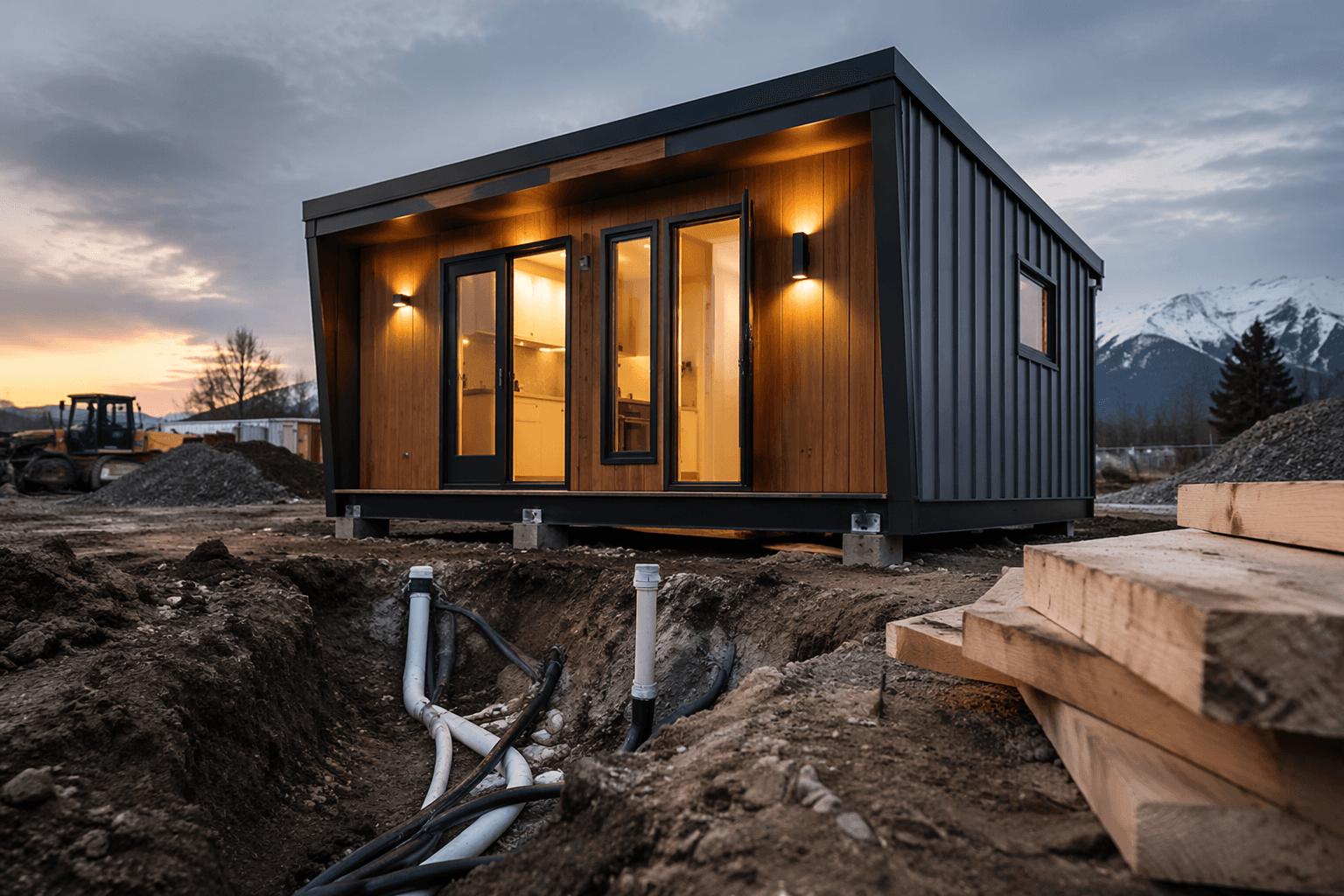
The headline price for The Lodge sits around $53,900, but that number should be read as a starting point, not the final bill. Clayton identifies it as a base price sold through its retail network, and delivery, installation, and taxes push the total higher. That distinction matters because buyers drawn to tiny homes are often trying to control cost as carefully as space.
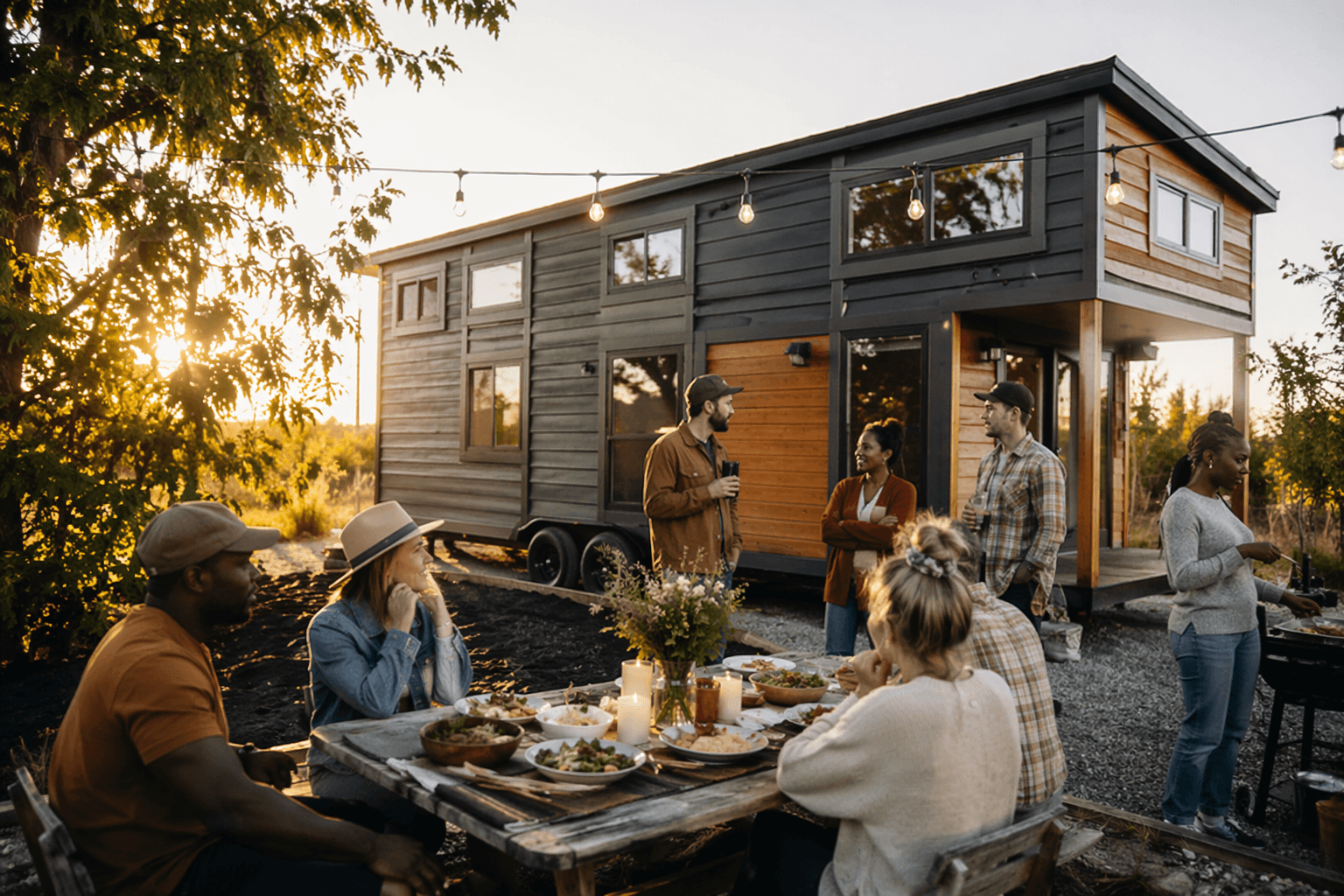
Even so, a home like this can make financial sense for people who want to avoid taking on a giant mortgage while still living in something that feels like a full residence. The open layout, normal laundry, and real bathrooms make it easier to picture as a primary home, and its scale can also make it easier to place on a standard lot than a loft-centric towable cabin. In practical terms, that can widen the path from dream to move-in ready.
Why the tiny-house market keeps widening
The Lodge is a clear example of how builders are responding to consumer fatigue with compromise. Buyers have not stopped wanting small homes, but many are less interested in making small living feel like sacrifice. Instead, they want a footprint that stays modest while protecting the routines that make a house feel livable.
That is why the market now stretches across a broader definition of “tiny.” Some homes are still ultra-small, mobile, and deliberately spare. Others, like The Lodge, are tiny in the sense that they are compact and efficient, but they reject the cramped living patterns that used to define the category. The result is a home that can satisfy people who want less house without signing up for less comfort.
For anyone tracking where the movement is headed, that is the real signal. Tiny-house culture is no longer just about proving how little space a person can endure. It is increasingly about finding the smallest home that still supports ordinary life with dignity, convenience, and a layout that does not demand constant compromise.
How to read a model like The Lodge
A home like this offers a useful checklist for buyers comparing tiny-house options:
- Look past the headline square footage and study the floor plan. A 960-square-foot layout can feel very different depending on whether it uses lofts or full-height rooms.
- Treat “base price” as the beginning of the budget. Delivery, installation, and taxes can change the real cost fast.
- Decide which comforts are non-negotiable. Full-size laundry, two bathrooms, and island storage may matter more than shaving off a few extra feet.
- Think about how the home will live on your lot. A compact house that feels like a primary residence may fit better into long-term plans than a towable cabin built around occasional use.
In the end, The Lodge asks a question the tiny-house world keeps revisiting: is the goal to shrink the house, or to improve the way the house works? At 960 square feet, Clayton’s answer is that a home can still be small-footprint, still feel part of tiny-house culture, and still refuse the cramped, loft-bound script that so many buyers are ready to leave behind.
This article was produced by Prism’s automated news system from verified source data, official records, and press releases, then run through automated quality and moderation checks before publishing. The system is built and supervised by the people who set the standards it runs under. Read our full AI policy.
Did this article answer your question?