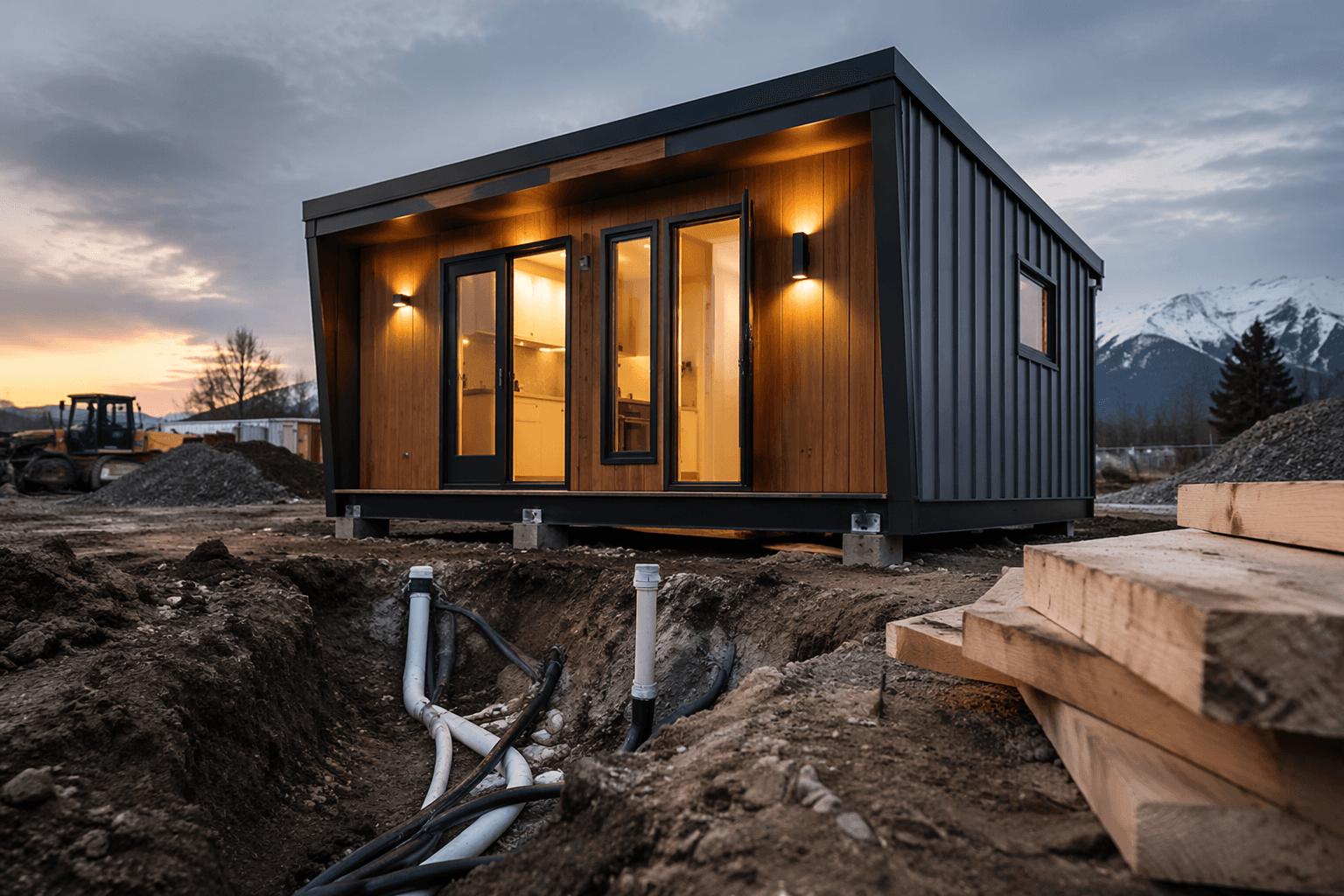
Columbia-Greene students unveil livable tiny home in Hudson, New York
A student-built tiny home in Hudson doubled as a live-fire training ground, showing how Columbia-Greene is turning housing work into a trades pipeline.
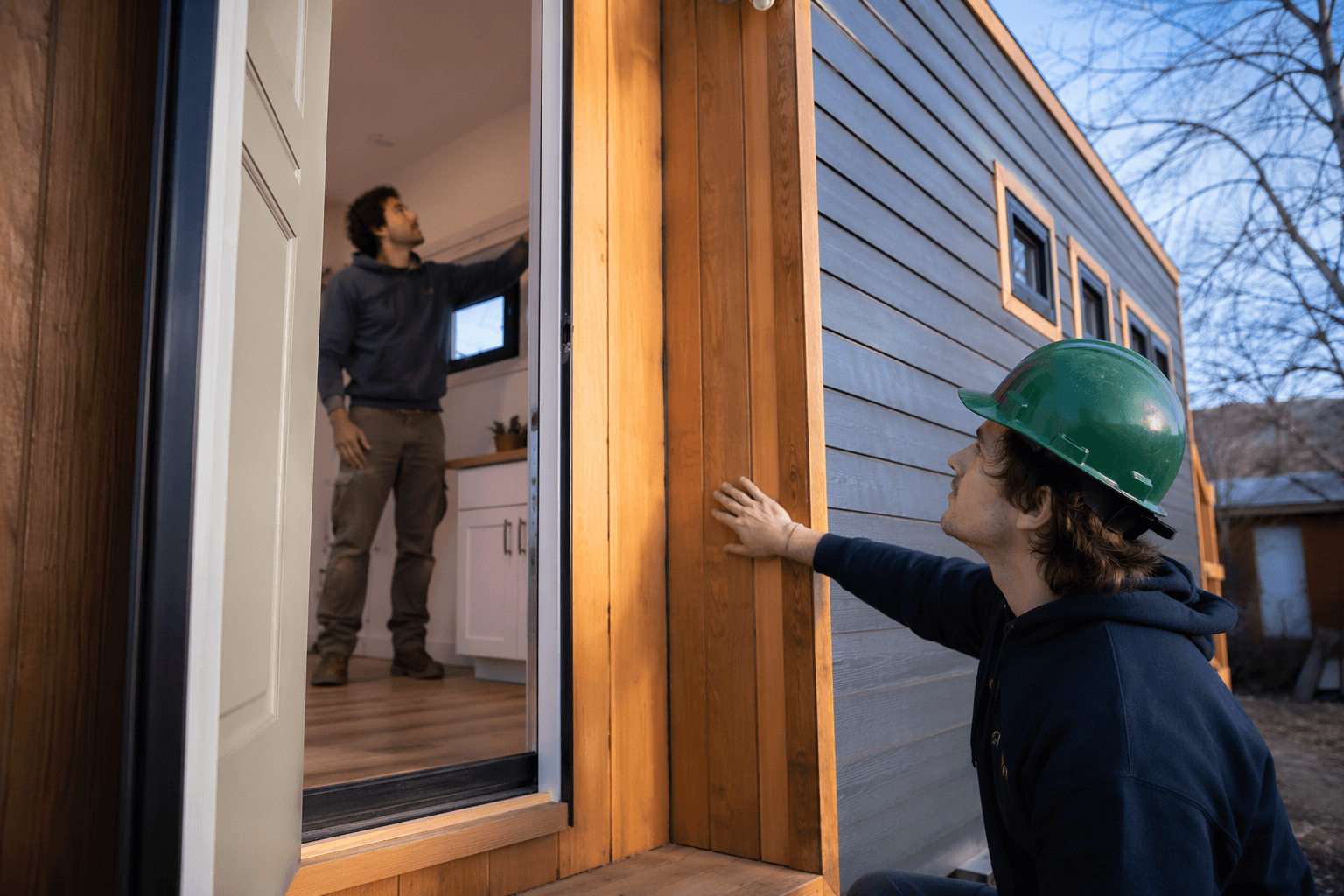
A student-built tiny home in Hudson was more than a campus showcase. It was a fully livable test case for Columbia-Greene Community College’s Construction Technology Program, where months of shop work were rolled into a real house with a shower, toilet, sink, office nook and full kitchen equipment.
The build gave the program a clear public-facing purpose: train the next wave of builders while proving that a tiny footprint can still function as a real home. Assistant Professor Andrew Soltano said the structure reflected the kind of hands-on, whole-cycle learning the college wants its students to master. Instead of stopping at one phase, students tear down a previous tiny home and rebuild it each term, moving through planning, demolition, framing, finishing and systems integration. That process mirrors the work they will do in the field, from carpentry and plumbing to electrical work and cabinetry.
The Hudson home also underscored how the college has turned tiny houses into a recurring workforce pipeline. The Construction Technology Program is a one-year certificate that covers framing, siding, roofing, basic plumbing and electrical, plus door and window installation. Students spend at least 75% of their time in the newly constructed lab, and they can finish by moving straight into construction jobs or transferring to SUNY Delhi for a bachelor’s degree in Construction Management: Design and Building. The 2026 class met nine hours a day, three days a week, a schedule built around shop time and job-ready skills.
The tiny-house work has been part of the program since 2019, and the current home marked the seventh year of the project. In 2024, the college built two tiny houses on towable chassis, each measuring 20 feet long, 8 feet wide and 13 feet 6 inches high, with a fully outfitted kitchen, bathroom with shower, mini-split heating, a sleeping loft and energy-efficient design features. Those houses helped raise $59,000 for the program, and the college paired the effort with full-tuition scholarships through The Spark of Hudson. The 2026 house carried an approximate price tag of $46,000, with proceeds again going back into the program.
For Columbia-Greene, the tiny home was never just a novelty. It was a response to housing pressure in Columbia and Greene counties, and to the skilled-trades shortages employers are reporting across New York. Assemblymember Didi Barrett visited students and praised the work, but the bigger story was already built into the walls: a public college using a small house to train builders for a much larger shortage.
This article was produced by Prism’s automated news system from verified source data, official records, and press releases, then run through automated quality and moderation checks before publishing. The system is built and supervised by the people who set the standards it runs under. Read our full AI policy.
Did this article answer your question?