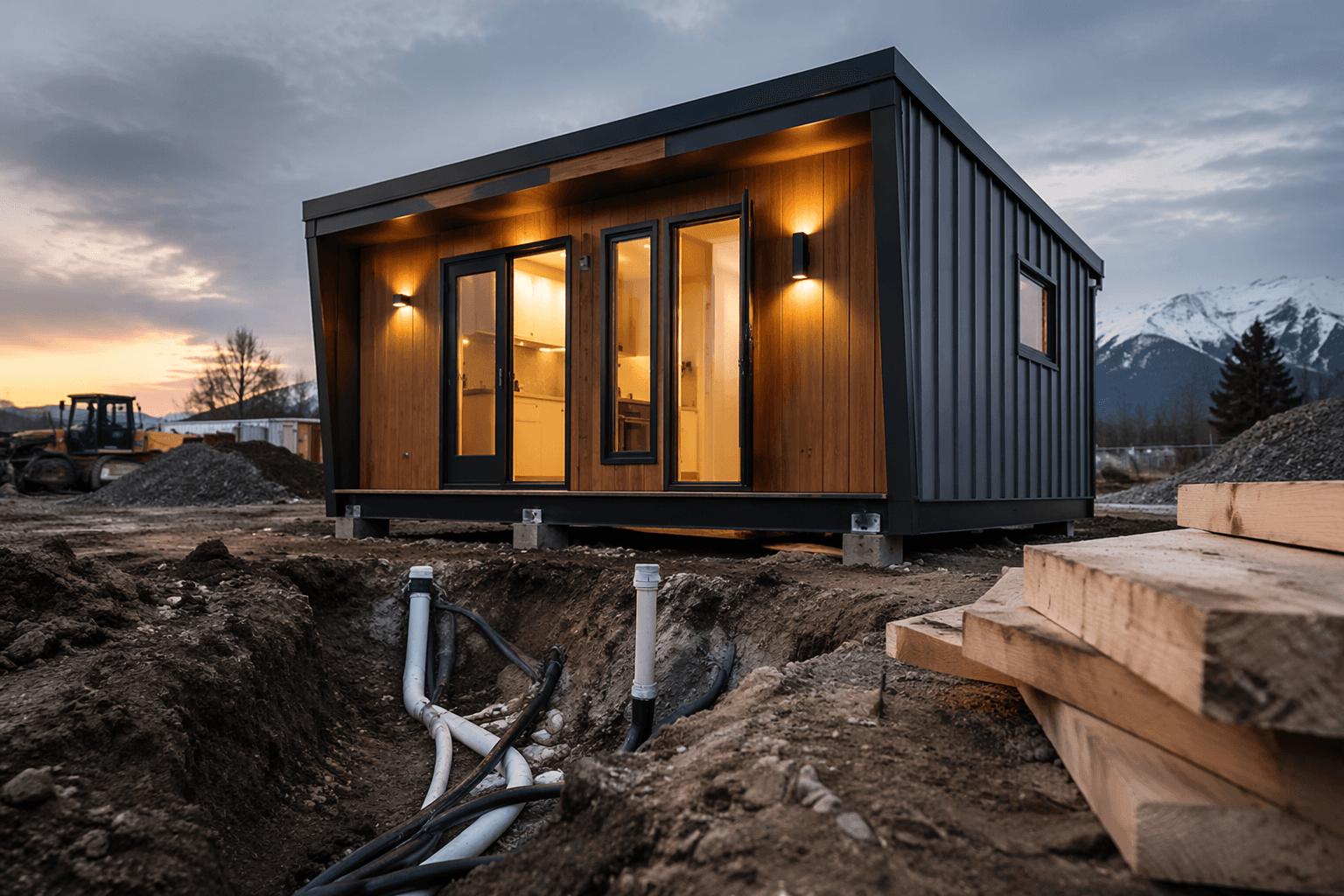
Connecticut Tiny Home Bill RB42-25 Heads to Critical Hartford Hearing
RB42-25 heads to Hartford in April — miss this ICC hearing and movable tiny homes stay in a legal gray area until 2030.

While Appendix Q gave foundation-based tiny homes their first real footing in the International Residential Code, those on wheels still exist in a legal gray area. A critical hearing at the Connecticut Convention Center in Hartford this April could finally change that, and the window to act is closing fast.
Code proposal RB42-25 aims to push direct inclusion of provisions for tiny houses 400 square feet or less built on a chassis into Appendix BB of the IRC. Advocates describe it as "Act 2" of the push that began with Appendix Q: providing building officials with the specific code language needed to permit tiny houses on wheels as permanent residences. TinyHouseTalk published a call to action on March 24, 2026 urging community supporters to mobilize ahead of the hearing.
The stakes could hardly be higher. If RB42-25 fails at the upcoming hearing, the next opportunity to change the national model code won't occur until 2030. It's a high bar: the proposal requires a two-thirds majority vote of the full ICC voting body.
The proposed IRC code language for movable tiny homes did not pass at the ICC hearings in Cleveland last October, and since then, advocates have been working to determine whether there is any viable path to bring modified language forward again within the current code cycle. Through continued refinement of the language, coordination with ICC staff, and renewed alignment across stakeholders, the effort now has one final opportunity to advance tiny houses on wheels at the end of April, including a second complementary comment that incorporates prescriptive structural details.
A significant revision in this latest push is the terminology shift from "movable tiny house" to "relocatable tiny house," a change that aligns with established IBC and IEBC language and avoids confusion with manufactured housing, modular construction, and vehicle-based products.
Two public comments are now on the table. The first adds Section BB107 to Appendix BB specifically for relocatable tiny houses, requiring an engineered design for the chassis frame and connections of the IRC-compliant dwelling structure to the chassis and to the foundation or ground anchorage. The second offers prescriptive design options for some structural elements in a separate new Section BB108, providing an alternative compliance pathway. The prescriptive language in Public Comment 2 is particularly valuable for small jurisdictions, small builders, owner-builders, and situations where engineering resources or specialty review capacity may be limited.
There are roughly 120 ICC chapters nationwide made up entirely of the voting body who will ultimately decide the fate of this proposal, and advocates are reaching out to chapters individually to answer questions, address concerns, and earn support ahead of the April hearing. Bringing 20,000 signatures to the hearing would be very impactful, and if the proposal achieves a two-thirds vote in the room in April, it then moves to the broader online voting body.
Fundraising is identified as the largest remaining gap in the effort, with travel expenses, technical engineering fees, and professional representation at ICC hearings all necessary to compete with industry interests and ensure the needs of individual tiny home owners and DIY builders are represented. A GoFundMe is active to cover those costs.
If successful, this change would allow the tiny house appendix to cover movable tiny homes ready for adoption immediately, not just in the 2027 code cycle, which would be a significant step in helping builders and jurisdictions integrate this housing type into urban areas. Nine years after Appendix Q made history, the proponents who started that fight are back in Hartford for one more shot.
This article was produced by Prism’s automated news system from verified source data, official records, and press releases, then run through automated quality and moderation checks before publishing. The system is built and supervised by the people who set the standards it runs under. Read our full AI policy.
Did this article answer your question?