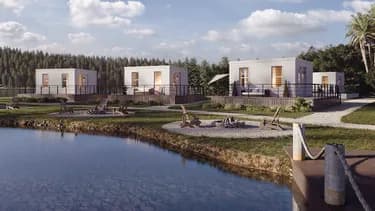
Craft House’s Lukas tiny house trades towability for roomy, light-filled living
Lukas swaps towability for a wider, brighter layout that sleeps four and feels closer to a small apartment than a trailer.
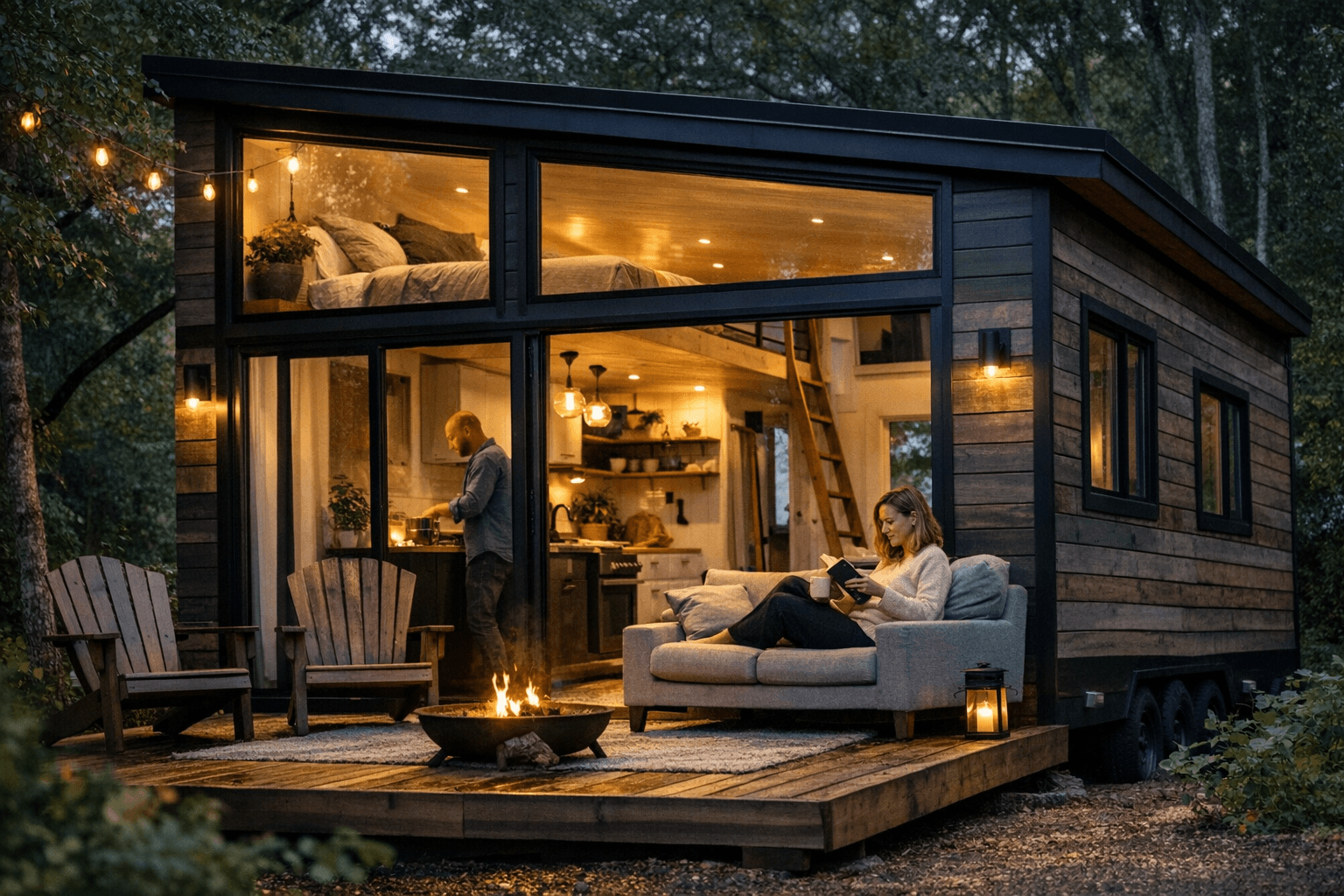
Towability is the tradeoff, and Lukas makes it plainly worth weighing
Craft House’s Lukas is built around a sharp choice: give up the freedom of towing and gain a tiny house that feels far less cramped. At 10 meters long and 3.5 meters wide, it stays in tiny-house territory, but it pushes hard toward the comfort of a compact home that can actually support everyday living. The result is a model aimed at buyers who care more about space, light, and a familiar layout than the ability to hitch up and move on.
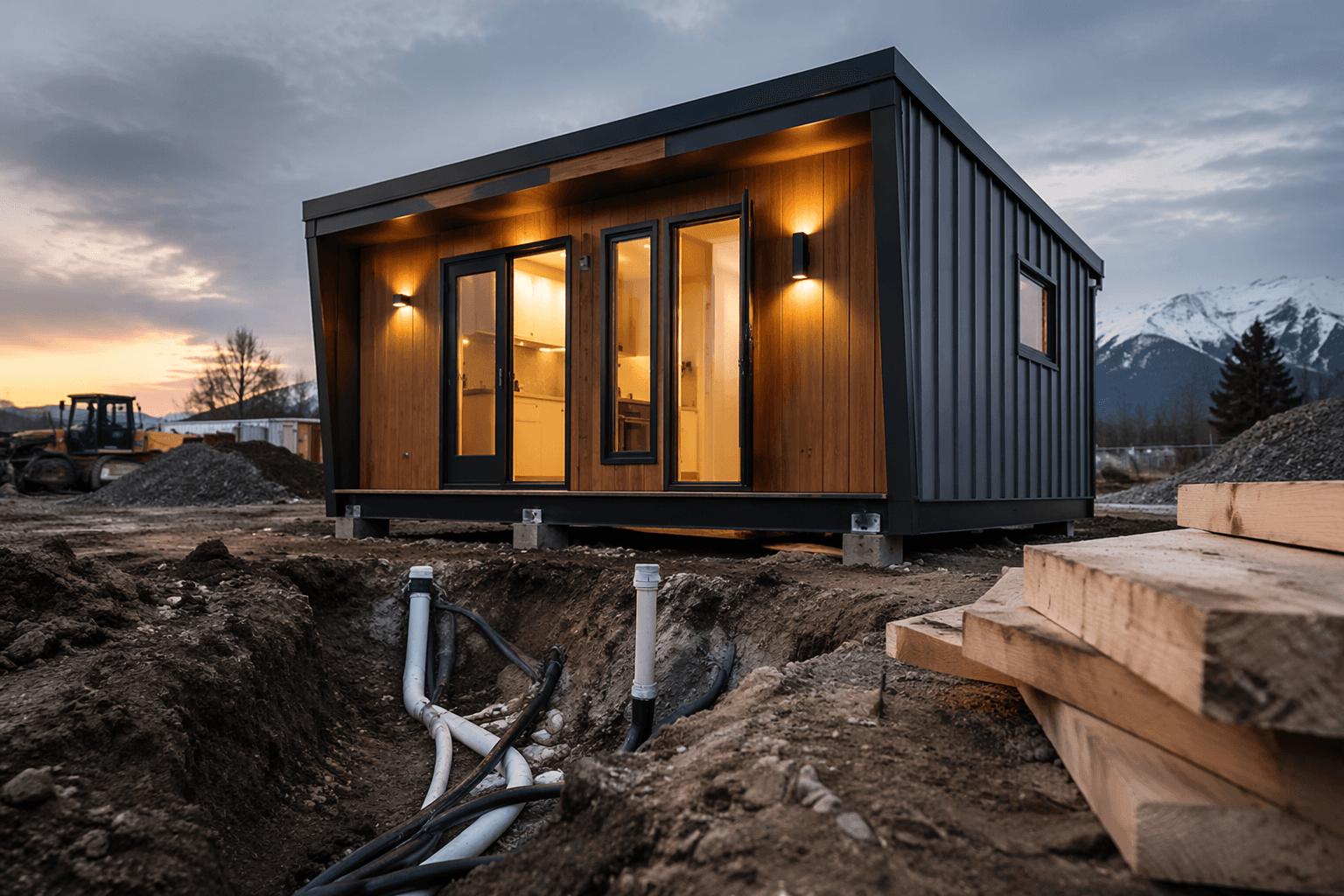
That decision has immediate practical consequences. Lukas has no wheels, so it has to be transported by truck rather than pulled like a typical tiny house on wheels. For anyone comparing THOWs, that alone will decide the purchase, because this is not a nomad’s rig. For anyone staying put, though, the payoff is obvious: more usable room, more conventional flow, and less of the compromised feeling that often comes with a mobile build.
A compact footprint that behaves like a small home
The dimensions matter because they shape everything else. Lukas is still small by conventional housing standards, yet its 10-meter length and 3.5-meter width give it a more generous profile than many homes in the tiny-house category. Craft House lists it as a modular house with a gable roof, and the usable areas break down into 18.6 square meters for the living room with kitchenette, 6.3 square meters for the room, and 3.3 square meters for the bathroom.
That layout is why the house can sleep four comfortably without feeling like a stack of compromises. Instead of squeezing every function into one multipurpose box, Lukas separates its spaces enough to give the home a more residential rhythm. It reads less like a minimalist cabin on a chassis and more like a small apartment translated into modular form.
The sleeping plan does the heavy lifting
The most telling design move is the bedroom arrangement. Lukas has a downstairs master bedroom with a double bed, storage, and its own exterior door, which immediately makes the home easier to use day to day. That downstairs room is not just a place to crash; it works as a true private zone, with direct outdoor access and enough practical storage to support longer stays.
Above that, an upstairs bedroom is reached by an open staircase in the living room. This is the piece that pushes the sleep count to four while preserving a feeling of openness below. Instead of using loft space as an afterthought, Craft House has integrated it into the plan in a way that still leaves the main floor feeling livable and connected.
Light, furniture, and the feel of a real living room
Lukas leans hard into the idea that tiny-house living should not feel visually tight. Skylights and generous glazing bring in daylight and help the interior feel lighter and less enclosed than many compact dwellings. That matters just as much as square footage, because the psychological difference between a dim, chopped-up space and a bright one can be the difference between novelty and daily comfort.
The living area reinforces that apartment-like effect. It includes a sofa, coffee table, entertainment center, and wall-mounted TV, so the room is set up for sitting, not just passing through. The open staircase also helps keep the space from feeling boxed in, which is a common problem in smaller homes that try to do too much behind too many walls.
The kitchen and bath are unusually complete
The kitchen is one of the strongest signs that Lukas is designed for staying power rather than weekend use. It includes breakfast-bar seating for two, a sink, oven, induction cooktop, fridge-freezer, dishwasher, and cabinetry. That is a serious appliance list for a tiny house, and it makes the home easier to picture as an actual residence rather than a stripped-down retreat.
The bathroom carries the same message. It has a glass-enclosed shower, a vanity sink, a wall-hung toilet, and a washer-dryer, along with underfloor heating throughout the home. Those details matter because they reduce the need to compromise on routine tasks, from laundry to cold-weather comfort. The more Lukas behaves like a full home, the less it relies on the tiny-house aesthetic alone to justify itself.
What Craft House says it is building
Craft House describes itself as a maker of year-round, fully functional modular and mobile homes, and Lukas fits squarely into that identity. The company’s standard spec for the model includes triple-glazed PVC windows, a 220 V electrical installation, plumbing, air conditioning, and underfloor heating. It also includes a smart slide door in the living room and a terrace door in the bedroom, both of which support the house’s easy indoor-outdoor flow.
The company’s broader construction approach is part of the appeal too. Its FAQ says its houses use certified C24 structural timber dried to 12 percent humidity, OSB board for the base, and, for mobile models, a zinc-coated steel trailer frame approved for road traffic. That combination helps explain why Craft House can present Lukas as part of a wider modular lineup rather than a one-off design experiment.
Price and buyer fit: who wins by giving up wheels
Craft House lists Lukas at 320,000 PLN net, which places it in a serious purchase bracket for a tiny home buyer. The real question is not whether the house is small, because it is. The question is whether the buyer values movement or comfort more, because Lukas clearly spends its design budget on livability instead of towing convenience.
That is what makes the model so revealing. It sits at the edge of a bigger shift in the tiny-house market, where some builders are moving beyond RV-style mobility and making homes that behave more like full residences. For buyers who want the visual simplicity and smaller footprint of tiny-house design without living like they are permanently in transit, Lukas is an unusually clear answer.
This article was produced by Prism’s automated news system from verified source data, official records, and press releases, then run through automated quality and moderation checks before publishing. The system is built and supervised by the people who set the standards it runs under. Read our full AI policy.
Did this article answer your question?