Custom tiny house in Spain doubles as a mobile ADU for family life
Spain’s Extension shows how a tiny house can act like a family ADU without becoming permanent. It gives Sonia and David extra living space that can move with them.
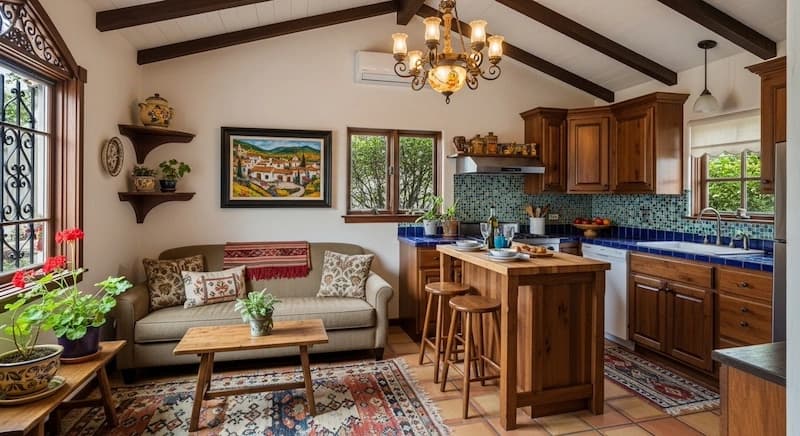
A tiny house that works like an ADU
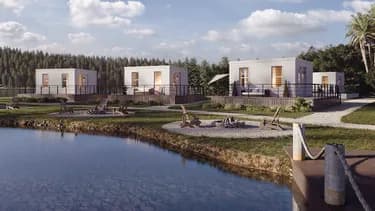
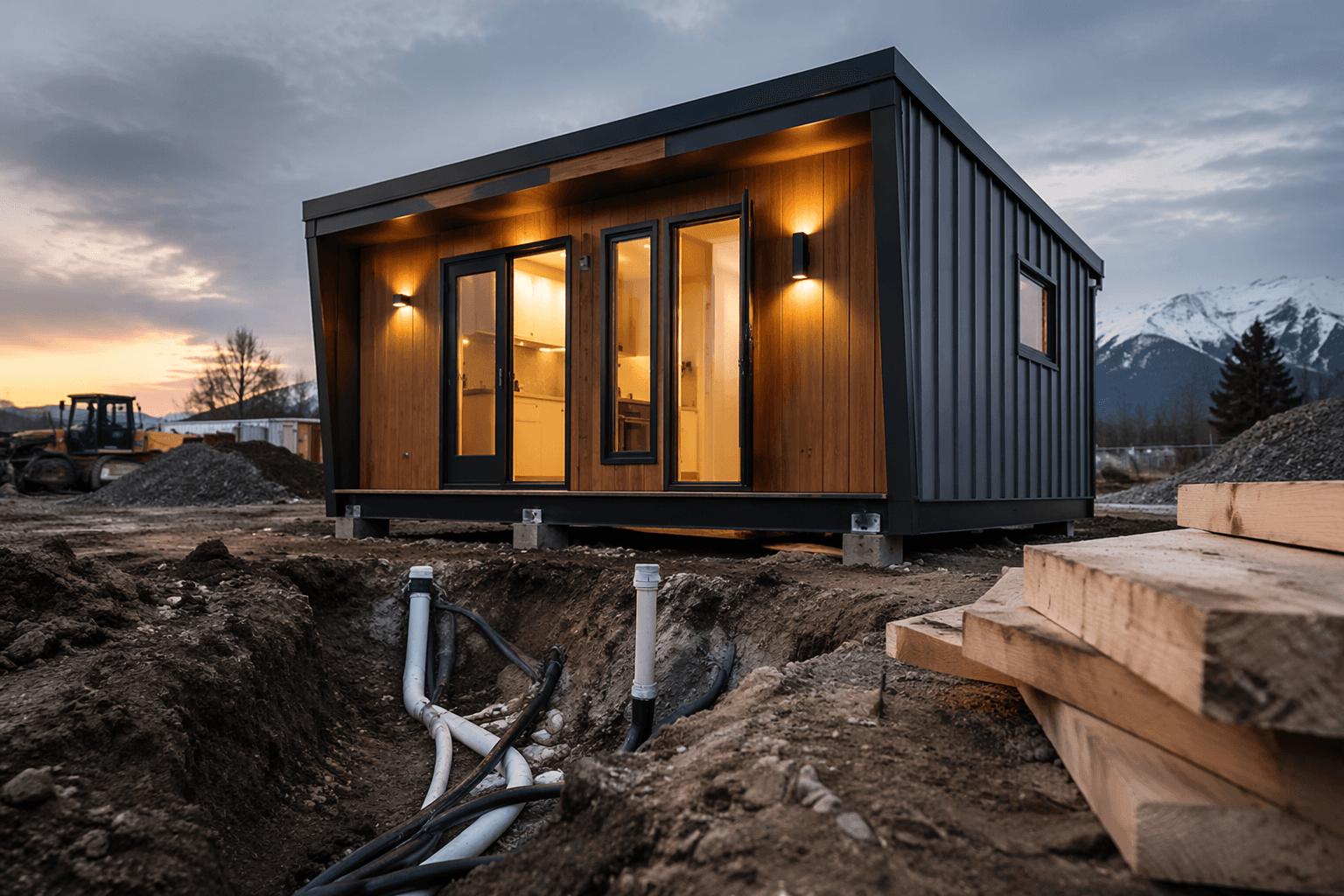
Extension is built around a problem that feels instantly familiar: a family needs more usable space, but a traditional addition is expensive, fixed in place, and tied to one property forever. Custom-built in Spain for Sonia, David, and their children, this tiny house is being presented as a self-contained living unit that behaves like an accessory dwelling unit, or granny flat, while keeping one major advantage that most ADUs do not have, mobility.
That hybrid identity is what makes the project stand out. It is not trying to be a fantasy cabin or a tiny-home showpiece. It is a practical piece of family infrastructure, made to sit beside a primary residence and solve a very specific need: extra square footage without the permanence of construction that becomes part of the lot itself.
Who this kind of build is really for
The clearest audience for a home like Extension is a household that already has a main house but needs another layer of living space. That might mean guest quarters, a place for children to spread out, a private retreat, a separate office, or a calm room that keeps family life from colliding all day long. The research around Extension points directly to that use case, and that is where the tiny-house category has become more compelling.
This is the kind of build that speaks to homeowners who want flexibility more than size. A self-contained unit can fill in the gaps of family life without forcing a household into a full remodel or a permanent annex. In that sense, Extension is less about downsizing and more about adding a missing function in a compact form.
Why mobility changes the equation
The mobility piece is the real differentiator. A conventional ADU is usually tied to zoning rules, local approval processes, and the assumption that the structure will stay put once it is built. Extension keeps the benefits of a small secondary dwelling, but it adds the possibility of movement, which changes how a family can think about space over time.
That matters because it turns the unit into a form of adaptable infrastructure. Instead of committing to one site forever, the household gains a compact space that can support family life now and remain useful if circumstances shift later. For readers in the tiny-house world, that is a meaningful distinction: the project is not simply a smaller house, but a movable one that still performs like an accessory unit.
Practical first, glamorous second
The tone around Extension is refreshingly unsentimental. It is described as simple and complex at the same time, which is exactly the kind of paradox that often defines the best tiny builds. Simple, because the purpose is obvious and the layout serves real needs. Complex, because making a tiny dwelling genuinely useful for a family, while keeping it self-contained and mobile, requires careful planning.
Just as important, the house is not being sold as glamorous in the way some tiny homes are marketed. That is part of its appeal. It looks like a unit designed to be lived in, not merely admired, and that practical sensibility is what gives it credibility as a family solution rather than a lifestyle prop.
A flexible room with more than one job
Extension can be read as several things at once, and that is the point. It could be a guest space when relatives come to stay. It could be a quiet office when work needs separation from the main house. It could be a calm overflow zone for family life when everyone needs a bit more breathing room. Because it is self-contained, it offers privacy and independence without severing its connection to the larger property.
That makes the build especially relevant for multigenerational households. A family can keep close while still creating boundaries, which is often the hardest thing to achieve in a single home. The tiny-house format gives that arrangement a smaller footprint and a less permanent footprint than an addition poured into the ground.
The ADU comparison, without the usual limits
The article’s strongest framing is that Extension has the benefits of an ADU without being tied to one lot or one permit path. That is a powerful proposition for homeowners who like the idea of an accessory unit but do not want the full weight of permanent construction. It also separates this kind of tiny house from the standard image of a backyard cottage that becomes part of a property forever.
In practical terms, mobility gives the owner another layer of control. A movable unit can be part of a family strategy rather than a one-time construction decision. That is especially appealing in markets where housing costs are rising and people want every square meter to do more than one job.
Part of a bigger shift in tiny houses
Extension also fits a broader change in how tiny houses are being used. The most interesting projects now are often not about minimalism in the abstract, but about solving real housing and space problems in a concrete way. Families are looking for lower-impact, flexible ways to add room to daily life, and tiny homes are increasingly filling that role.
That is where sustainability enters the picture. A smaller, purpose-built unit naturally uses less space than a conventional addition, and the fact that it is mobile makes it feel more adaptable as well. The research positions Extension as part of this move toward tiny homes as flexible infrastructure, not just personal lifestyle statements.
What Extension shows about the next phase of tiny living
The value of Extension is that it makes the tiny-house conversation more useful. It shows how a compact dwelling can serve a young family in Spain as an extra room, a private retreat, or a self-contained extension of the home without becoming trapped in the logic of permanent construction. Sonia, David, and their children needed more space, and this build answers that need in a way that stays movable.
That is the real takeaway here: the strongest tiny houses are not always the ones that look the most dramatic. Sometimes the most compelling build is the one that quietly solves a family’s space problem, stays practical, and keeps its freedom to move when the home needs to change again.
This article was produced by Prism’s automated news system from verified source data, official records, and press releases, then run through automated quality and moderation checks before publishing. The system is built and supervised by the people who set the standards it runs under. Read our full AI policy.
Did this article answer your question?