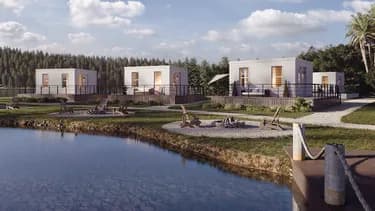
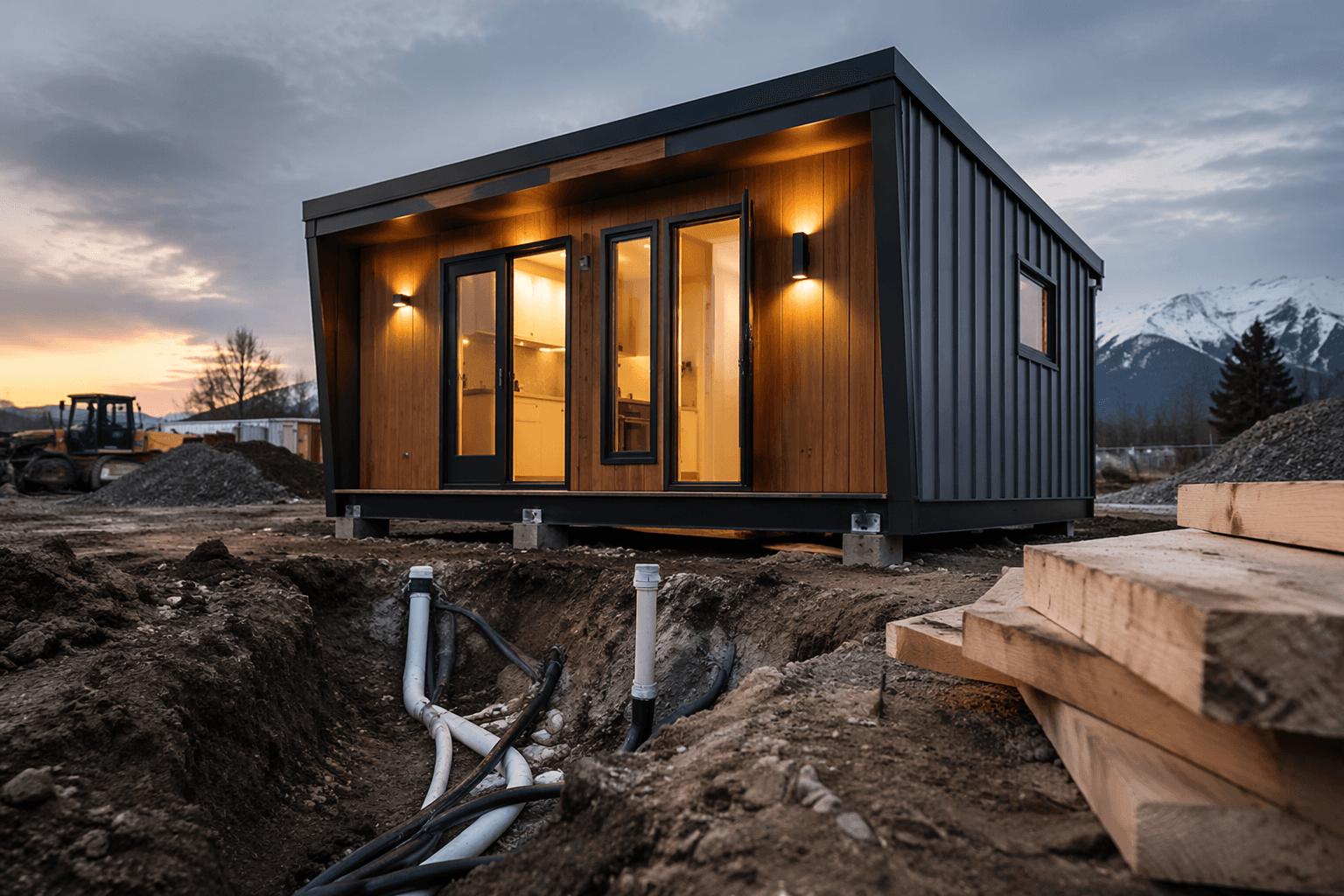
Deer Valley’s new single-wide tiny home blurs the line with manufactured housing
Deer Valley’s 1-bedroom, 1-bath “2-NEW!” comes in at about 700 square feet, but it is being built as a manufactured home, not a towable tiny house.
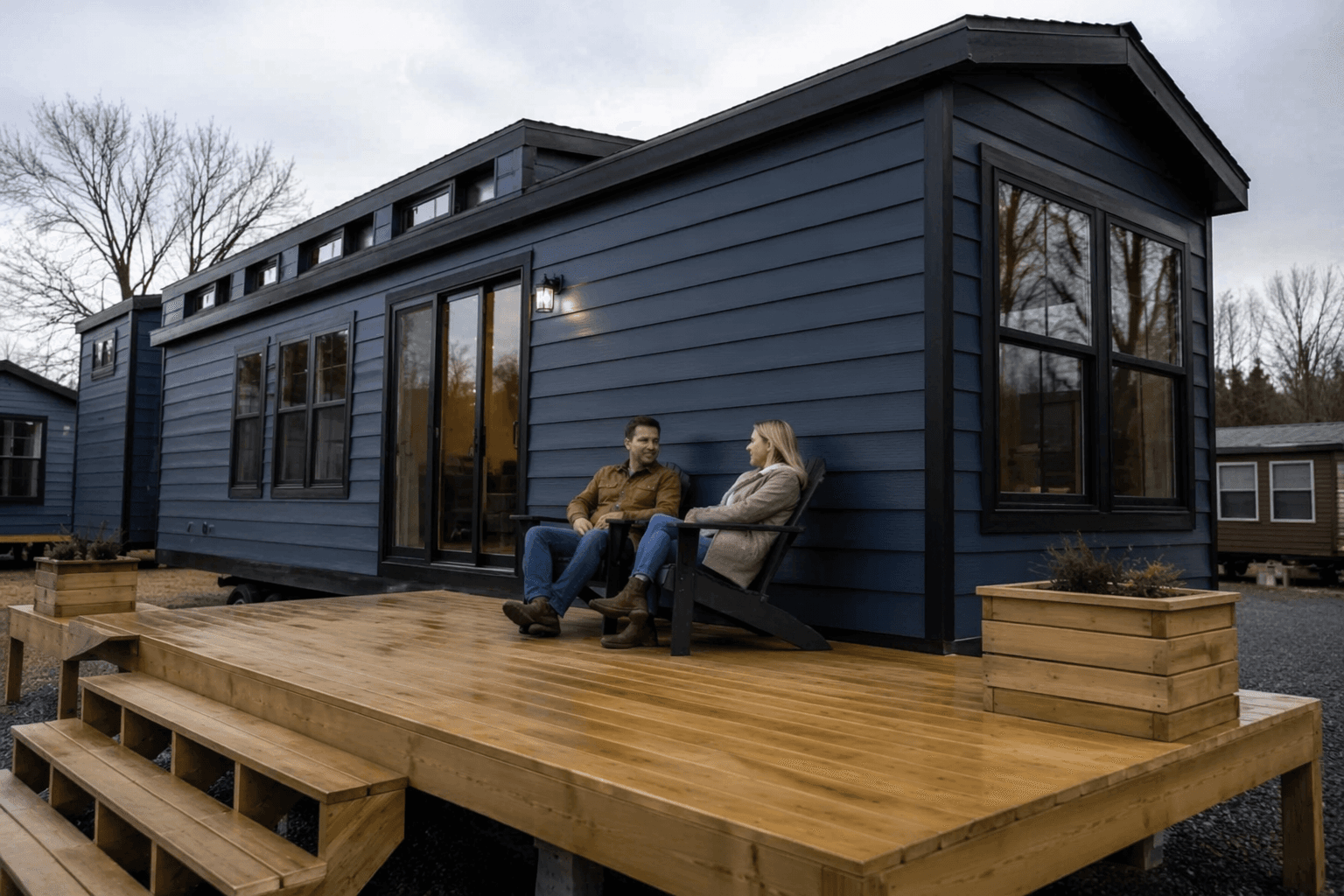
Deer Valley’s latest single-wide lands in the gray zone that tiny-house fans keep arguing about. The model, called “2-NEW!,” is listed at 1 bedroom, 1 bathroom, and roughly 700 square feet, but it is being built as a manufactured home, which pushes it closer to mainstream factory-built housing than to the road-ready trailers most people picture when they hear “tiny house.”
That distinction matters because the build changes how the home lives in the world. A manufactured home does not depend on towing down the highway or climbing into a loft to create a small footprint. It is part of a housing form that is easier to square with permanent siting, utility hookups, and the kind of financing buyers often expect from a conventional home purchase. In tiny-house culture, those details are not cosmetic. They shape whether a house feels like a flexible lifestyle choice or a more settled place to land.
Deer Valley Homebuilders leans into that crossover. The company describes its Cozy Cabin series as thoughtfully designed modular and manufactured homes that maximize every square foot, and says it offers two distinct series, including Signature and Mossy Oak. That branding tells its own story: compact living is no longer being sold only as a niche, minimalist experiment. It is being packaged as a family of factory-built products with multiple style lanes.
The floor plans show how wide that lane has become. One Deer Valley Cozy Cabin plan, DVHBSS-MONL-1644-#1, is listed at 596 square feet with 1 bedroom and 1 bathroom, measuring 16 feet by 39 feet 9 inches. Dealer inventory for a 2026 Cozy Cabin lists an even smaller version at 480 square feet, also 1 bedroom and 1 bathroom, with dimensions of 15 feet by 39 feet 9 inches. Some dealer pages also call the unit HUD certified, and one listing notes a 200-amp electrical service requirement and all-electric appliances.
That is the heart of the category creep. A prior tour described a Deer Valley tiny home as a HUD-certified single wide built in the style of an RV park model and under 500 square feet, while current listings stretch from 480 square feet to about 700. The labels keep shifting, but the pressure points stay the same: mobility versus permanence, code standard versus custom build, and whether buyers want a tiny house as a statement or simply a smaller home that works.
Deer Valley’s new single-wide makes the blur impossible to ignore. It looks like tiny-house culture from a distance, but its real appeal may be that it behaves like manufactured housing where it counts, and that is exactly where the market is headed.
This article was produced by Prism’s automated news system from verified source data, official records, and press releases, then run through automated quality and moderation checks before publishing. The system is built and supervised by the people who set the standards it runs under. Read our full AI policy.
Did this article answer your question?