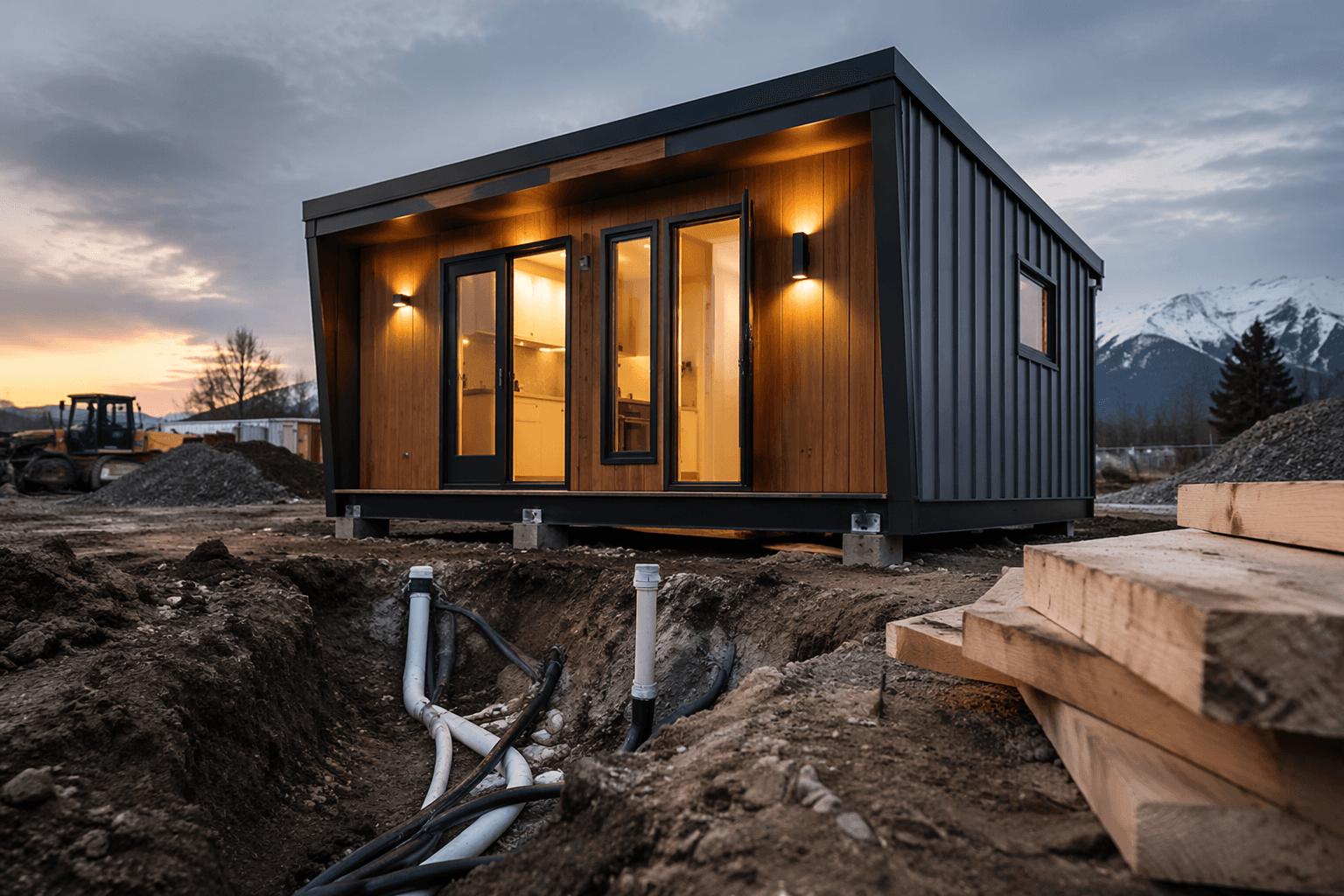
DIY tiny home packs full-size comforts into 290 square feet
Rachel and John turned 290 square feet into a full-time home with a real kitchen, heated floors, and 18 windows, proving tiny living can feel generous when every inch is planned.
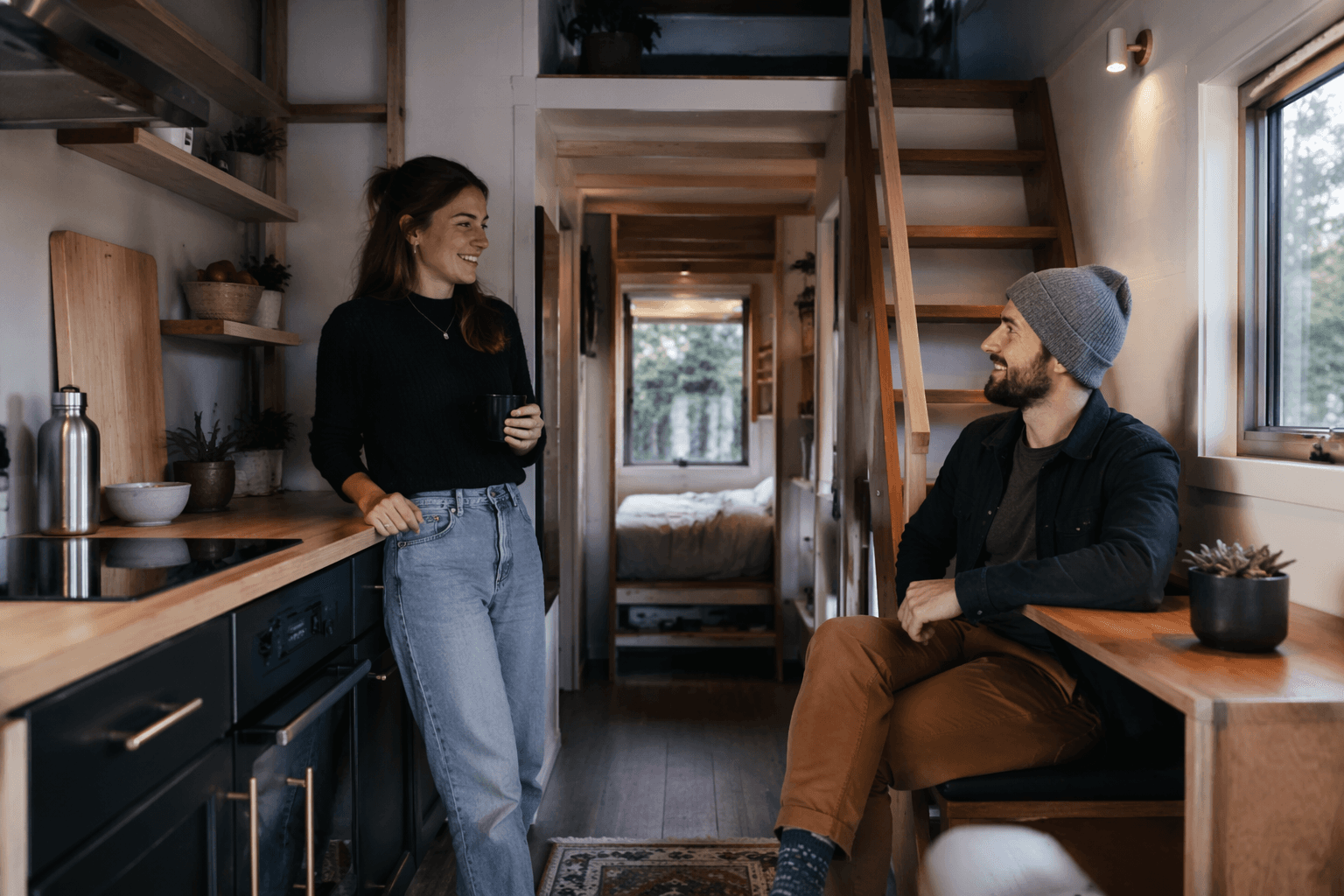
Built for daily life, not just a pretty photo
Rachel and John did not build their tiny house to chase a trend. They built it because a conventional home was out of reach, and the cheaper options available to them would have meant major repairs or renovations. Seven years later, the result still reads less like a novelty and more like a hard-won answer to the housing market: a compact home that fits the way they actually live.
The scale is modest, about 290 square feet of interior living space before the lofts, with another description putting it at roughly 300 square feet. But the point is not the number on the floor plan. The point is that the couple used DIY to make the home work as a full-time residence, rather than accepting a bargain property that would have demanded more money and labor after the move-in.
The square footage goes where it matters most
The clearest lesson in this build is where the couple chose not to compromise. Instead of shrinking the basics down to tiny-house clichés, they kept a full-size kitchen, a full-size bathtub, heated floors, abundant storage, and a dedicated area for their two dogs. That mix tells you exactly what they prioritized: everyday comfort, not minimalist aesthetics for their own sake.
A full-size kitchen changes how a tiny home functions. It supports real cooking, real grocery storage, and the kind of meal prep that makes small-space living sustainable over years instead of weeks. The full-size bathtub does the same for bathing and recovery, while heated floors quietly improve the feel of the whole home without taking up precious visual space. Storage and a dog zone are not glamorous upgrades, but they are the kind that keep a compact home from feeling chaotic once people, pets, and daily routines all collide.
Light is doing a lot of the heavy lifting
The house has 18 windows, and that detail explains a lot about why the interior feels larger than the raw square footage suggests. In tiny homes, windows are not just decoration or a design flourish. They shape how a room reads, how much air and brightness it has, and whether the space feels closed in or open to the outdoors.
Rachel and John also used a classic dual-loft layout, which keeps sleeping space off the main floor and frees up the central living area for daily use. That is a familiar tiny-house move, but in this case it works because the rest of the design supports it. The lofts are part of the solution, not the whole story, and the 18-window plan keeps the home from feeling like a stacked set of functions.
The exterior adds real living space, not just curb appeal
The front deck is another place where the build expands beyond the footprint. String lights, integrated wire-mesh safety railings, and built-in planter boxes turn that deck into usable outdoor space, not just a place to step out the door. In a small home, a deck like this effectively becomes another room when weather allows, which matters even more when the interior is already doing so much work.
The French doors and thoughtful exterior finish also matter, though in a different way. They give the home a polished, lived-in look without stripping away its handmade character. That balance is part of why the build feels complete rather than improvised: some elements are clearly custom for style, while others solve immediate space problems. The result is a home that looks intentional because it is intentional.
What this DIY build got right
This house is useful because it shows how tiny living can stretch when the decisions are specific. Rachel and John did not force their routines into a prefabricated template. They built around the parts of daily life that would have been hardest to give up, then organized the rest of the home around those choices.
- Keep the kitchen full-size if cooking is part of real life, not just an occasional task.
- Spend on light, because windows change how small square footage feels far more than décor does.
- Make storage built-in and abundant, because clutter is what shrinks a tiny home fastest.
- Treat the deck as usable square footage, especially when outdoor seating and planter boxes can extend the living area.
- Protect comfort features like heated floors and a real bathtub, since the best tiny homes are the ones people can live in for years.
The speed of the project adds another layer to the story. A separate description says the couple completed the tiny house in just a few months, which makes the build feel less like a forever project and more like a deliberate path into ownership. That matters in a housing market where waiting for the right traditional home can mean waiting forever, especially when the cheaper alternatives come with hidden repair bills.
A tiny home that makes its own case
What makes Rachel and John’s house stand out is not that it is cute, though it is. It is that the home has already proved itself over seven-plus years of full-time living. The full-size kitchen, heated floors, bathtub, storage, dog space, dual lofts, and 18 windows all point to the same conclusion: small can still mean comfortable when the build is organized around actual use.
That is the real takeaway from this 290-square-foot house. It does not ask you to romanticize sacrifice. It shows what happens when a tiny home is built to support a whole life, and that is why the footprint feels bigger than the number suggests.
This article was produced by Prism’s automated news system from verified source data, official records, and press releases, then run through automated quality and moderation checks before publishing. The system is built and supervised by the people who set the standards it runs under. Read our full AI policy.
Did this article answer your question?