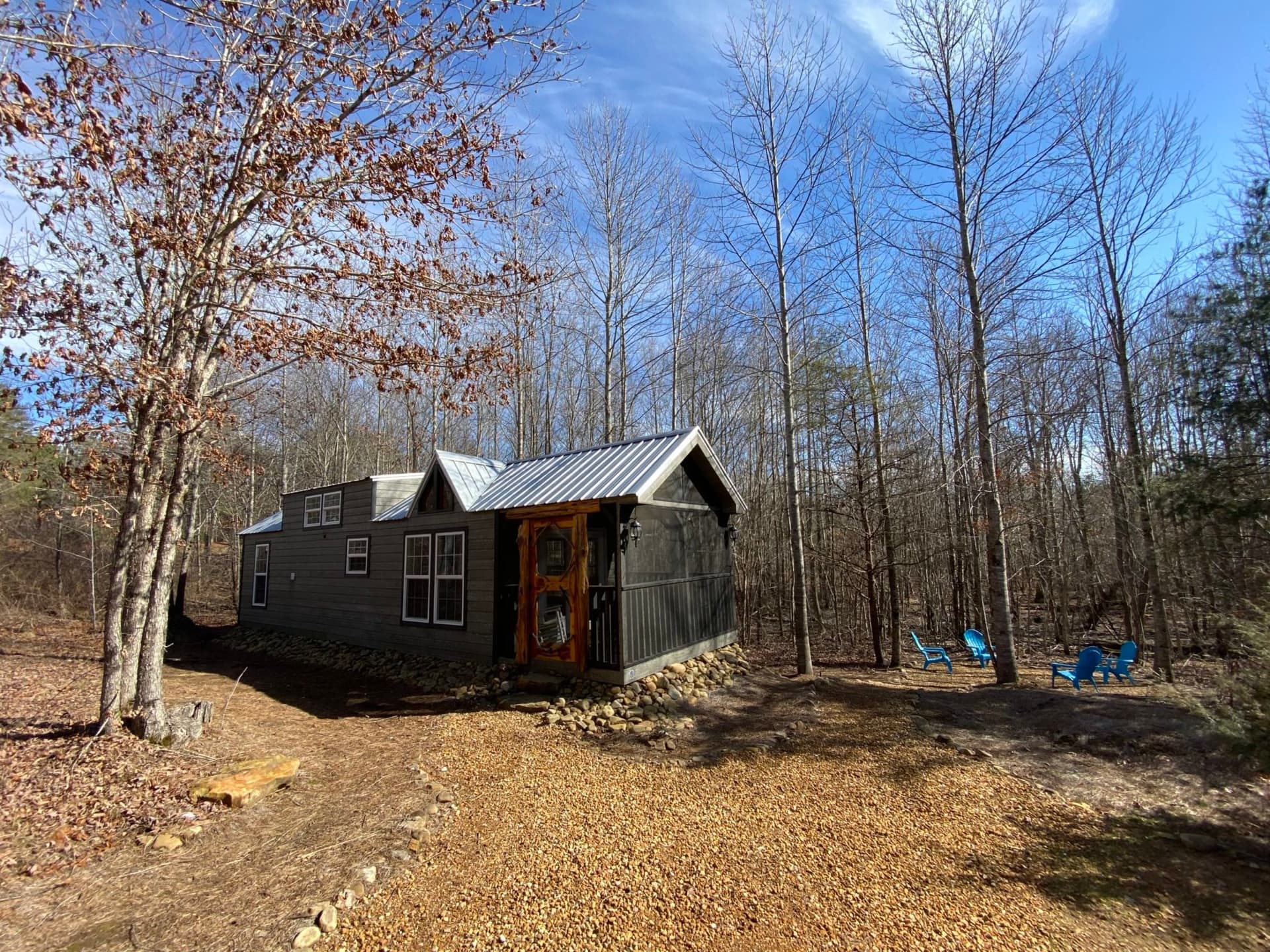
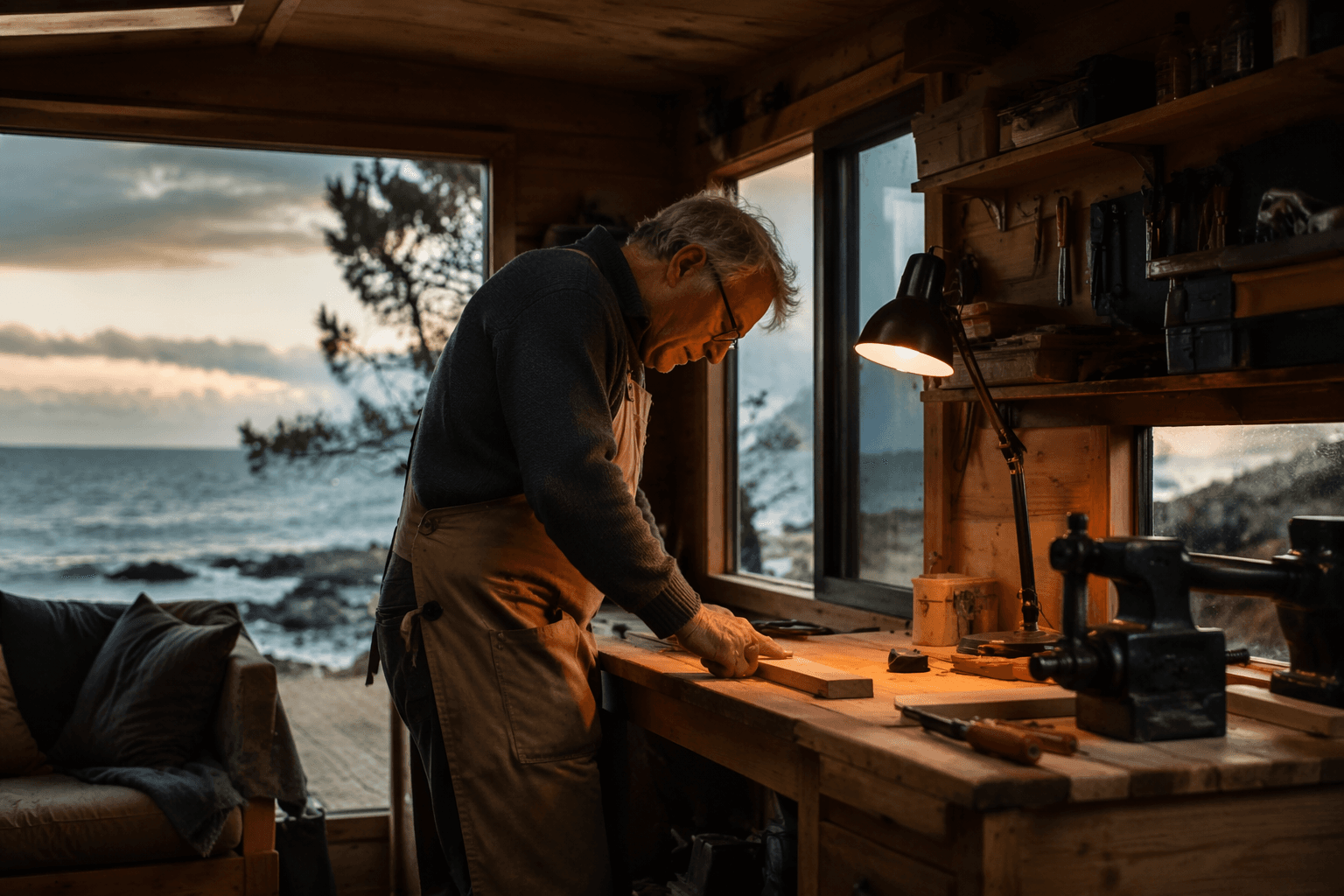
Don says his 372-square-foot tiny house was worth the move
Don’s no-regrets verdict holds up because his 372-square-foot tiny house is built for comfort, light, and a lower-overhead life. The real test is how that setup stacks up against bigger homes, tighter codes, and daily routines.
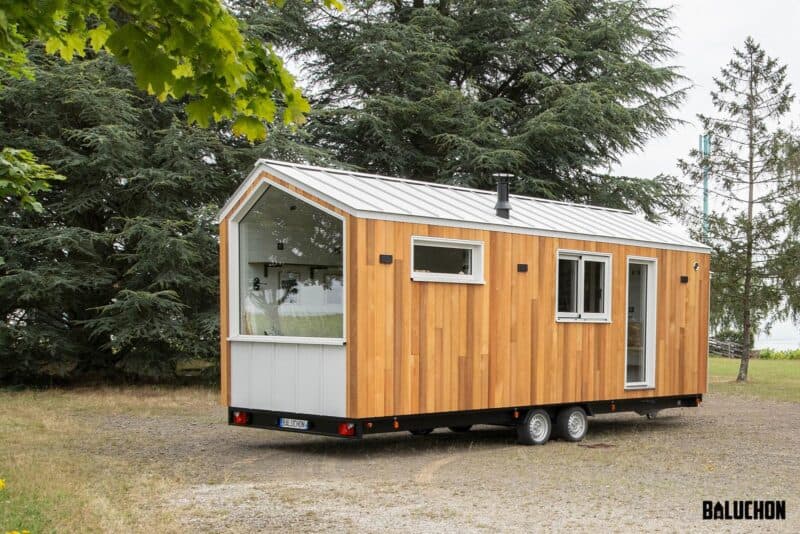
Don’s no-regrets test starts with the numbers
Don is living in 372 square feet on wheels, and that alone tells you this is not a novelty-sized pause between bigger homes. The real story is whether the choice still works after the first flush of excitement fades, and Don’s answer is yes. His tiny house was designed for comfort and natural light, two design moves that matter more than square footage when a home has to feel good every day, not just look clever in photos.
The scale difference is stark. The U.S. Census Bureau says the median size of a new single-family home sold in 2024 was 2,210 square feet, with a median price of $420,300 and an average price of $514,500. Against that backdrop, Don’s home is dramatically smaller, but it also sits inside a very different housing logic: less space to furnish, heat, clean, and maintain, and fewer reasons to overbuild a life around extra rooms that may not get used.
Why this tiny house works after the honeymoon phase
What keeps Don’s setup from feeling like a compromise is the way the interior is described. Comfort and natural light are doing the heavy lifting here, and that matters because small homes can feel either generous or cramped depending on how open the space feels. In tiny-house design, daylight, ceiling height, and clear sightlines can change the lived experience more than raw square footage ever will.
That is why Don’s no-regrets framing lands differently than a simple “I like small spaces” story. It suggests the house is supporting daily routines instead of getting in the way of them. A well-planned tiny house can reduce friction in ordinary tasks, and once the layout stops fighting you, the smaller footprint starts to feel durable rather than temporary.
The broader housing market makes the move easier to understand
Don’s house may be unusual in size, but it is not unusual in motivation. The National Association of Home Builders reported that first-quarter 2024 median single-family floor area came in at 2,140 square feet, the lowest reading since the second half of 2009, showing that even the broader housing market has been moving toward somewhat smaller new homes. Tiny houses push that idea much further, but the direction is familiar: buyers and downsizers are looking for homes that fit changing priorities.
Price pressure helps explain the appeal too. When the median new-home price is $420,300 and the average climbs to $514,500, a compact, lower-overhead place can look less like a lifestyle statement and more like a practical housing decision. For readers watching monthly costs, maintenance, and the burden of unused space, Don’s move reads as a direct response to the realities of the market.
Tiny-house downsizing is no longer just an edge case
Don’s story fits a larger pattern that keeps showing up in tiny-house coverage: older adults, empty nesters, and people leaving larger homes are making the tradeoffs concrete. Virginia Tech research on tiny-home downsizers found that the two main demographics were millennials and recently retired people, which helps explain why these stories resonate across generations. The appeal is different for each group, but the common thread is the same: a smaller home can match a life that no longer needs a full-size housing footprint.
The environmental side is part of that appeal as well. A Virginia Tech study of 80 tiny-home downsizers found that all participants experienced lower ecological footprints after downsizing. That does not make tiny living a universal answer, but it does show that the choice can produce measurable gains beyond the emotional satisfaction of simplifying.
The durability test is not just comfort, it is code
The hardest part of tiny living is often not the floor plan. It is the rulebook. Tiny houses on wheels can run into zoning, building-code, and vehicle-rule issues because regulation changes from place to place, and that uncertainty affects where a home can sit, how it is treated, and what kind of long-term placement is possible.
That is why standards matter so much. Movable tiny houses are often discussed in relation to RV-based standards such as ANSI A119.5 and NFPA 1192, while the International Code Council and the Tiny Home Industry Association have started a standards process for tiny houses used for permanent occupancy. Those standards questions are not abstract technicalities. They shape whether a tiny home is treated as a vehicle, an RV, or a house, and that determines how easy it is to finance, site, and keep in place.
What Don’s house gets right for real-life tiny living
Don’s 372-square-foot home offers a useful checklist for what makes tiny living hold up over time:
- Keep the interior bright, because natural light expands the feel of a small space.
- Prioritize comfort, because a tiny house has to work as a daily home, not just a project.
- Focus on livability over gimmicks, so the space stays calm and usable.
- Expect regulation to matter, especially for a tiny house on wheels.
- Measure success by routine, cost, and ease of use, not just by how small the footprint is.
That is the larger lesson in Don’s move. A tiny house earns its keep when it still feels like the right decision after the novelty wears off, and his no-regrets stance suggests the home is doing exactly that. In a housing market where bigger is still the norm, a 372-square-foot house that stays comfortable, bright, and manageable makes a strong case for compact living as a serious long-term choice.
This article was produced by Prism’s automated news system from verified source data, official records, and press releases, then run through automated quality and moderation checks before publishing. The system is built and supervised by the people who set the standards it runs under. Read our full AI policy.
Know something we missed? Have a correction or additional information?
Submit a Tip