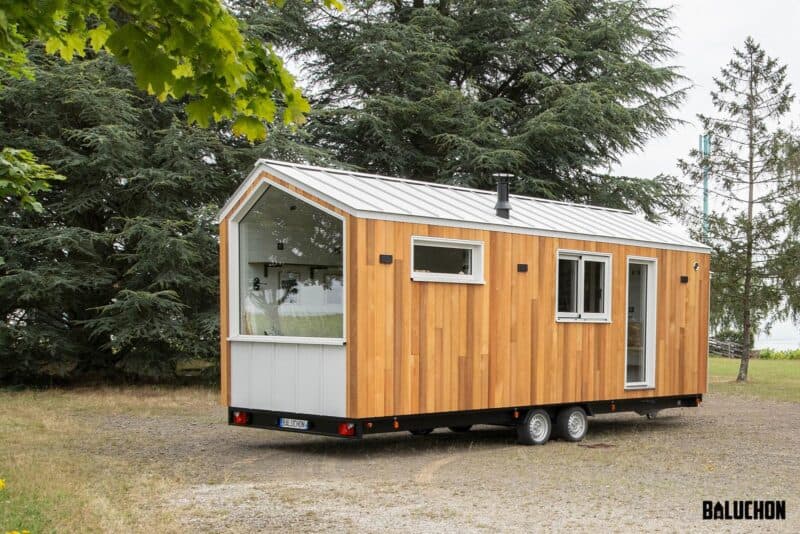
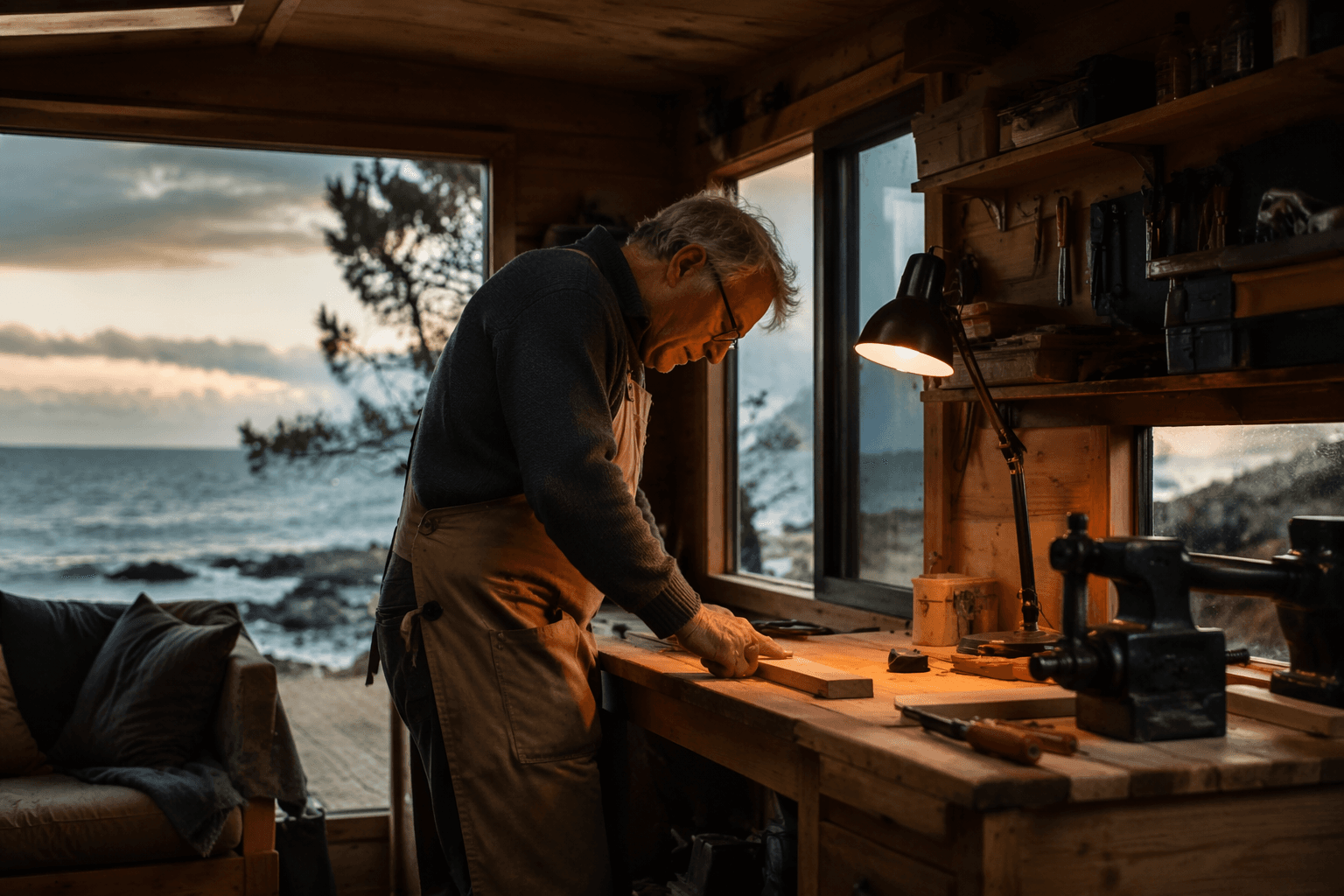
Wilson family welcomes tour of modular tiny house cabin
The Wilson family’s cabin showed how a modular tiny home can arrive finished, customizable, and ready for family use. River Ridge’s prices run into six figures.
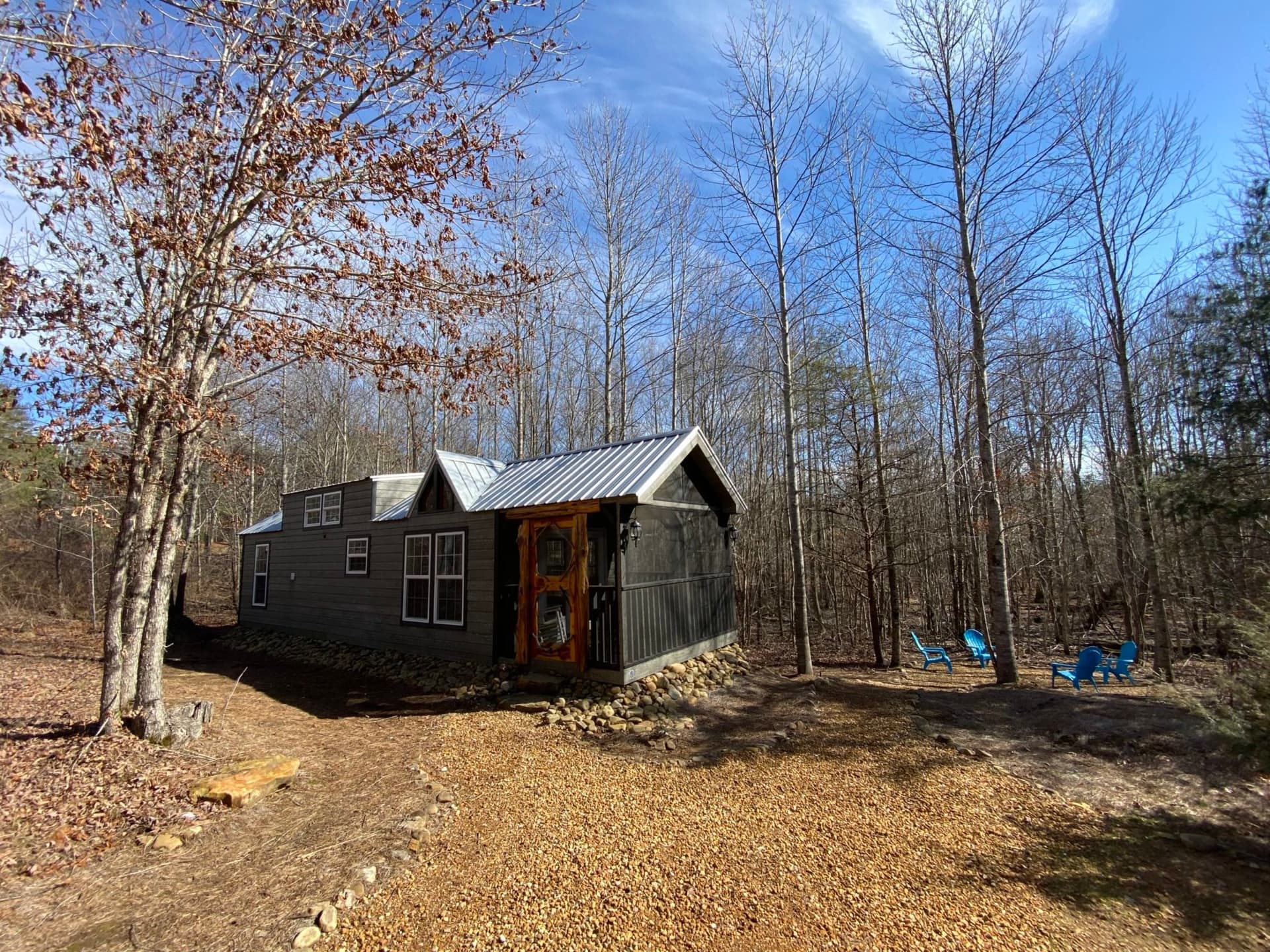
The Wilson family did more than open the door for a cabin tour. Their modular tiny house put the practical side of small-space living on display: a finished home tied to River Ridge Escapes, built to look and live more like a compact cabin than a one-off hobby project.
That difference matters in a tiny-house market where buyers are weighing more than charm. River Ridge Escapes says it sells tiny homes nationwide or for its own communities, and it keeps model cabins open Monday through Friday, 10 a.m. to 5 p.m. EST, at its dealership in Menlo, Georgia. The company also says buyers can customize floor plans, appliances, fixtures, lighting, window placement, and other features, which gives modular buyers a more structured path than starting from scratch with a trailer-based build.
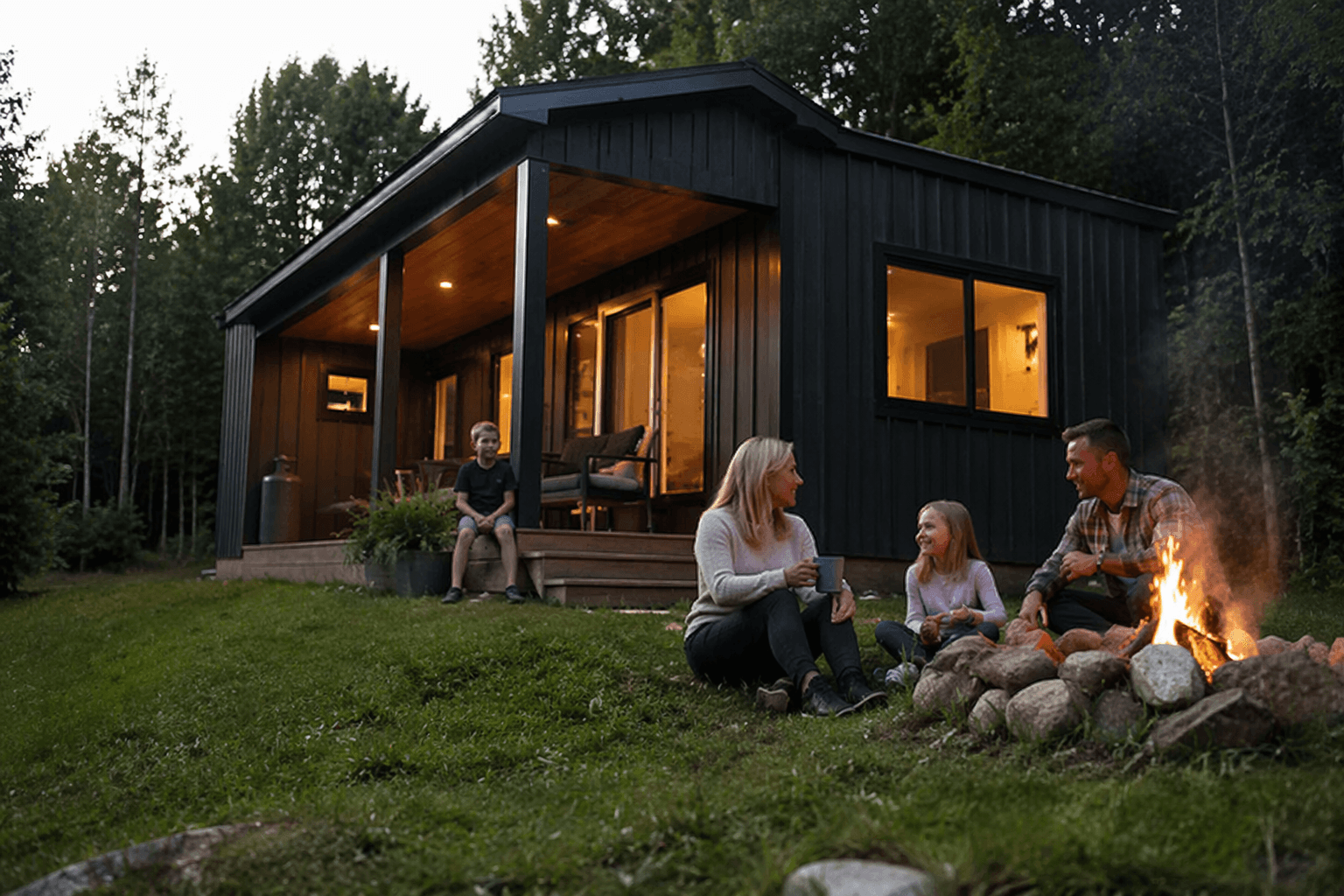
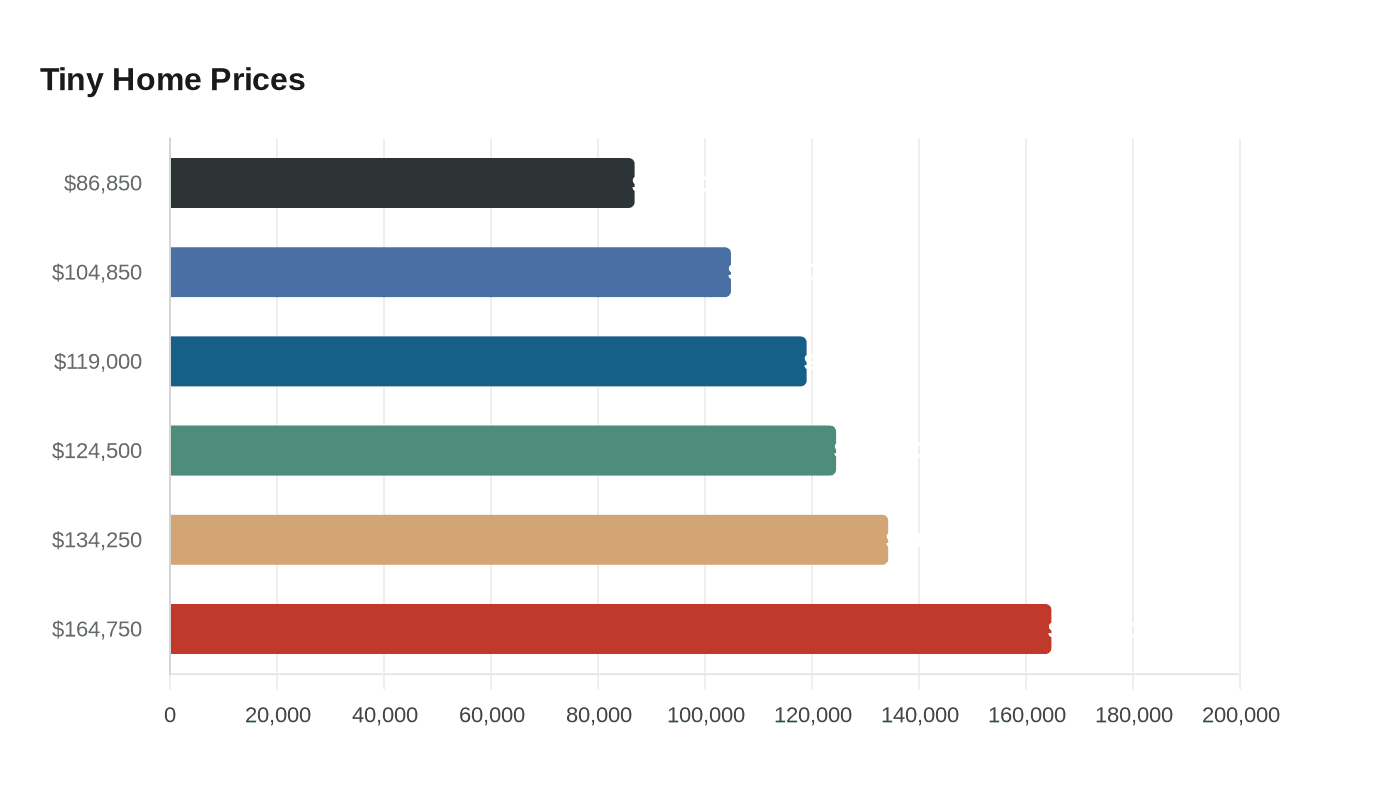
The numbers show how far the category has moved from low-cost novelty. River Ridge’s current inventory includes homes listed around $86,850, $104,850, $119,000, $124,500, $134,250, and $164,750 before delivery, sales tax, tag and title, or lot fees. The company says prices can change because of demand and shortages of building supplies. That makes the point plainly: modular tiny homes can be faster and more turnkey, but they are still serious purchases.
The land side of the equation is just as important. River Ridge says it began developing its first community in 2016, and a 2025 interview described Little River Escape in Cloudland, Georgia, as a 50-acre community with 48 three-quarter-acre lots atop Lookout Mountain. The company’s modular home, The Harvest, was built to 2024 IRC standards and measures 454 square feet, with vaulted ceilings, a loft, quartz countertops, stainless appliances, and designer finishes. ICC’s 2024 International Residential Code Appendix BB also gives tiny houses 400 square feet or less a clearer code path when adopted. Taken together, the Wilson cabin, the pricing, and the community model show a tiny-home market that is less about scrappy improvisation and more about whether a family can move into a small house that feels finished from day one.
This article was produced by Prism’s automated news system from verified source data, official records, and press releases, then run through automated quality and moderation checks before publishing. The system is built and supervised by the people who set the standards it runs under. Read our full AI policy.
Know something we missed? Have a correction or additional information?
Submit a Tip