Retiree downsizes to off-grid tiny home for stable coastal living
Coby swapped rising rent for a 8.2-metre Jackson tiny home on the New South Wales coast, trading square metres for steadier monthly control.
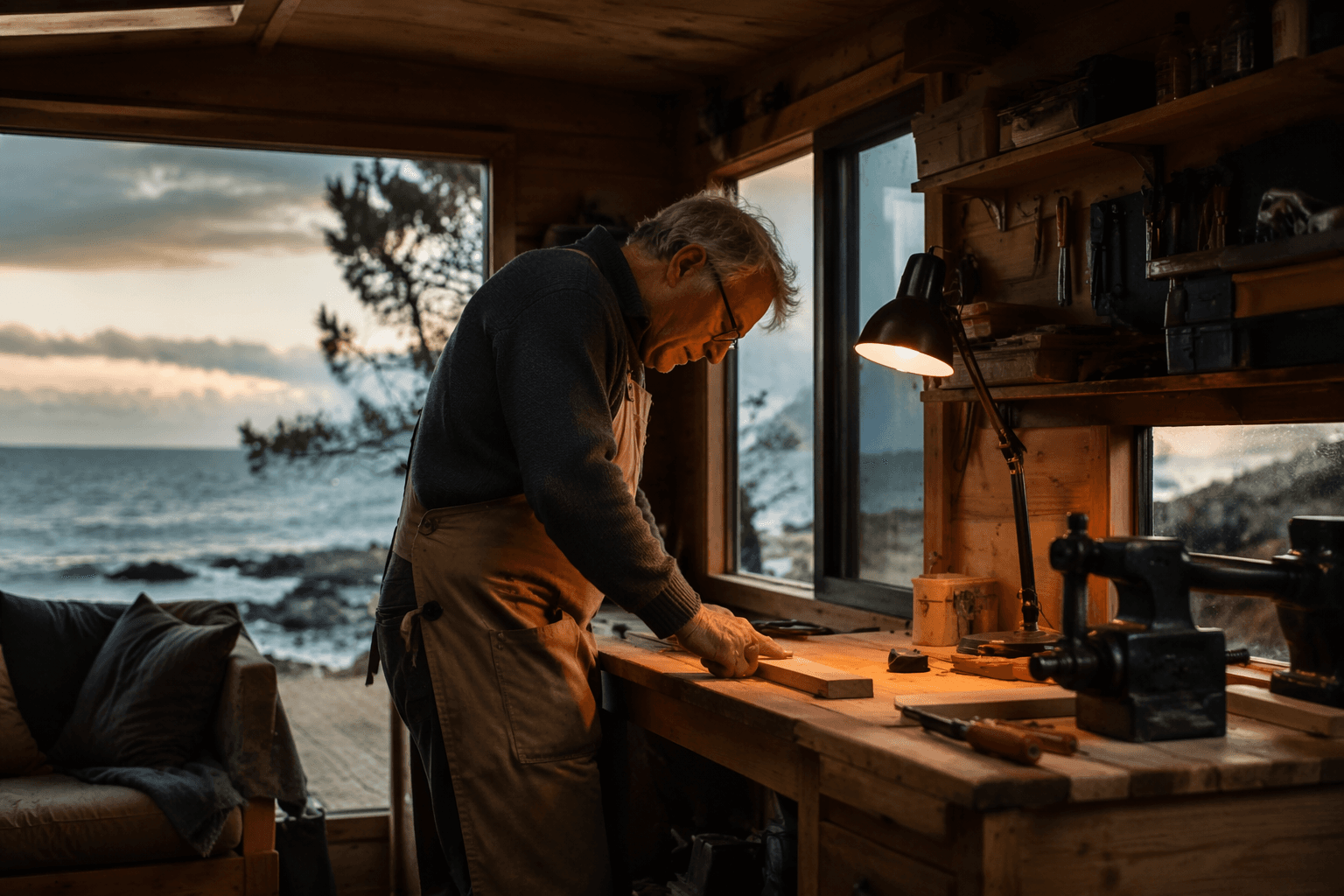
Rising rent pushed Coby out of uncertainty and into a Jackson model tiny home on a friend’s coastal property in New South Wales, where she traded a lease for far more control over her monthly outgoings and her day-to-day routine.
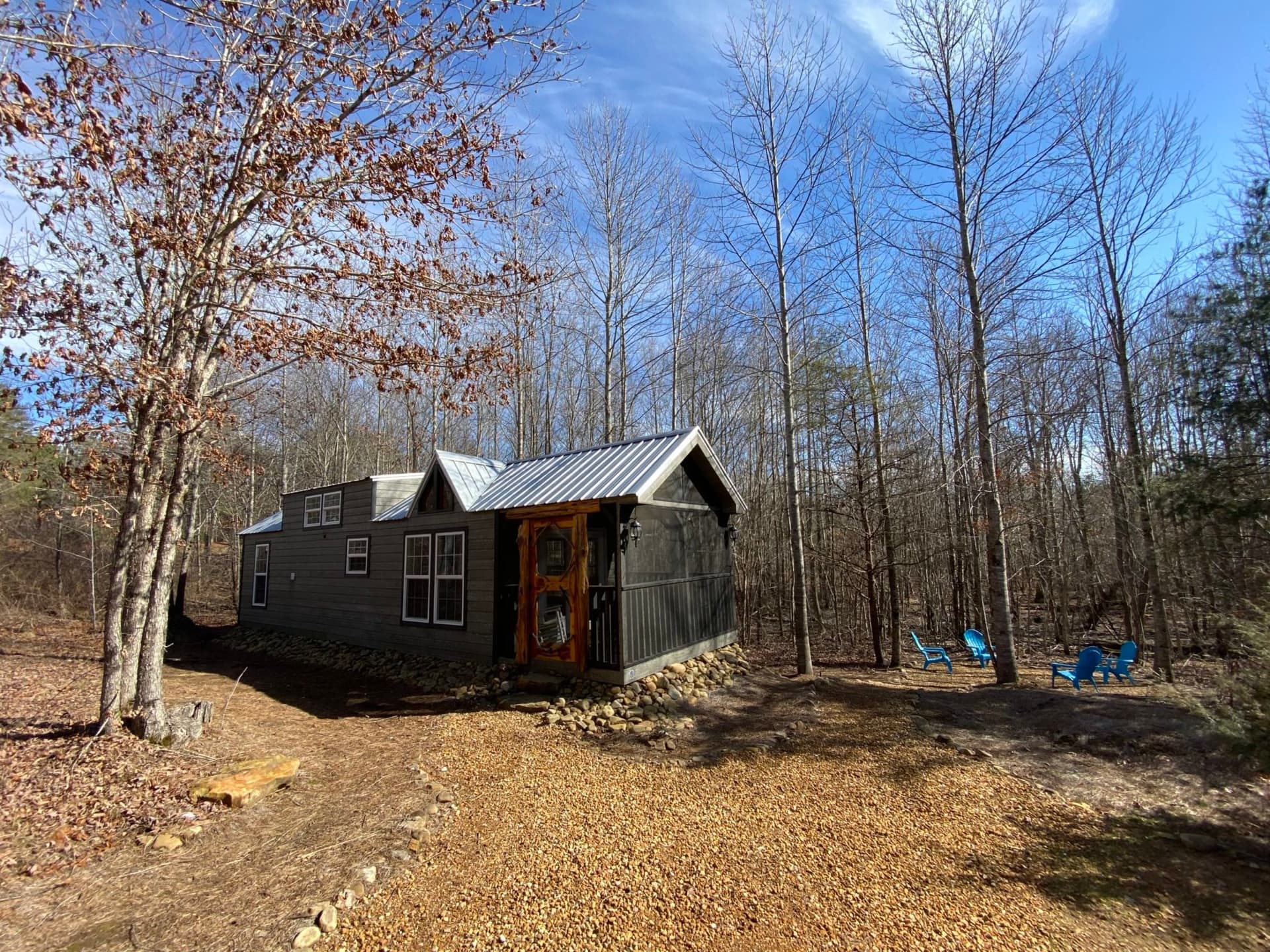
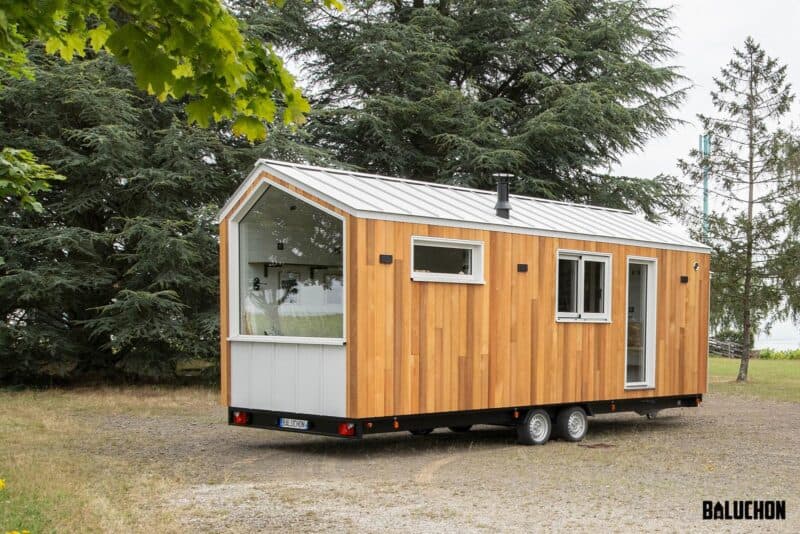
The off-grid setup is a compact one, measuring about 8.2 metres long, 3 metres wide and 4.6 metres high, but the house was built to feel open rather than cramped. The layout supports full-time living, and the setting does part of the work too. Surrounded by lawn, trees and open space near the coast, Coby’s place reads larger than its footprint, with a small wooden porch extending the living area outdoors and a hidden spa bath tucked into the deck for a bit of comfort most tiny-home buyers do not expect.
That combination matters because Coby’s move was never just about novelty. It was a retirement strategy. By downsizing, she cut the pressure that comes with ongoing rent rises and gained a more stable, lower-stress housing arrangement. For older Australians watching their housing costs creep up, that is the real appeal: not a trend piece, but a way to protect cash flow and keep more control over where retirement money goes each month.
The broader backdrop helps explain why the story lands. The Australian Bureau of Statistics estimated 122,494 people were experiencing homelessness on Census night in 2021, and it said rental-price growth, while easing, still reflected strong housing pressure. Annual rent growth slowed to 4.5% over the 12 months to the June quarter 2025, after peaking at 7.8% in the March quarter 2024. For retirees living on fixed or limited incomes, even a slowdown does not erase the squeeze.
Older Australians are feeling it sharply. The Australian Institute of Health and Welfare said people aged 55 and over made up 11% of specialist homelessness service clients in 2024-25, up from 6.1% in 2011-12. It also said the number of people experiencing homelessness aged 55 or older rose from about 12,500 in 2006 to about 19,400 in 2021. Against that backdrop, Coby’s tiny home looks less like a lifestyle indulgence and more like a practical hedge against insecurity.
The planning landscape has been shifting too. Griffith University research has noted the tiny-house movement gaining momentum in Australia, while ABC reported that 41% of councils surveyed had approved alternative housing for permanent dwelling. In New South Wales, councils including Byron Shire and Eurobodalla have spelled out how tiny homes may be treated as secondary dwellings or relocatable homes, depending on how they are built and placed. Coby’s arrangement works because the land, the rules and the design all line up.
What she gave up was floor space. What she gained was breathing room. For Coby, the coastal tiny home is not a compromise on retirement, but a cleaner monthly ledger and a calmer place to live it.
This article was produced by Prism’s automated news system from verified source data, official records, and press releases, then run through automated quality and moderation checks before publishing. The system is built and supervised by the people who set the standards it runs under. Read our full AI policy.
Know something we missed? Have a correction or additional information?
Submit a Tip