Georgia Rep. Stinson's Tiny House Residency Wins Court Challenge, Stays on Ballot
A Georgia judge ruled Rep. Patty Stinson's tiny house in Butler qualifies as her legal primary residence, keeping the District 150 incumbent on the 2026 ballot.
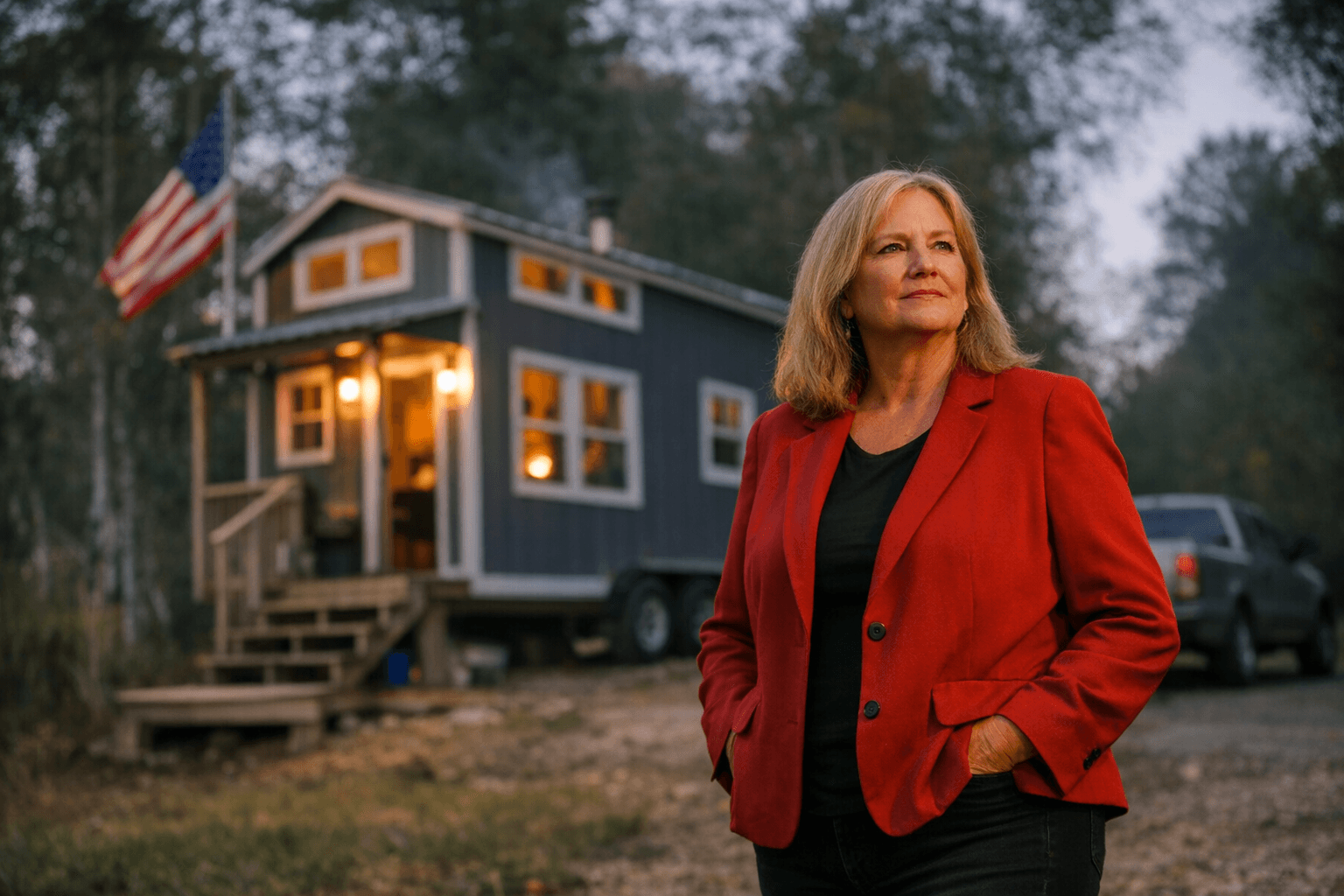
A Georgia state judge cleared Rep. Patty Marie Stinson to remain on the ballot for District 150 after ruling that her tiny house in Butler, Taylor County, constitutes a valid primary residence. The April 2 decision rejected a constituent's challenge that had questioned whether the 13-year incumbent actually lived within her district.
The tiny house sits on the same property as Stinson's family funeral home, an arrangement that became the focal point of the dispute. Stinson testified she has lived there since 2021, and her legal team submitted documentary evidence that included her driver's license, utility bills, and tax records. Taylor County's own property records reinforced the claim: they list separate descriptions for the funeral home and the tiny house at the same address, effectively recognizing the two structures as distinct units under county records.
The judge found that the combined documentary proof satisfied the legal burden for ballot eligibility. Stinson, first elected in 2013, stays on the ticket for a district covering parts of Taylor, Dooly, Macon, and Peach counties. The challenger retains 30 days to file an appeal.
The case drew attention because electoral residency rules were written largely for conventional housing, leaving tiny homes in a gray area that courts must interpret on a case-by-case basis. This ruling provides a concrete answer: when a tiny-home dweller builds a documented paper trail covering their license, utilities, and local tax records, that evidence can hold up under direct legal challenge. For tiny-house advocates, the decision strengthens the argument that small-footprint living carries full civic standing, not just as shelter but as a legally recognized home address.
With nontraditional housing spreading across Georgia and beyond, more residency disputes tied to unconventional living arrangements are likely ahead. This Butler case now gives candidates, housing advocates, and election officials a documented Georgia precedent to reference when the next challenge arrives.
Know something we missed? Have a correction or additional information?
Submit a Tip