Gulfport advances ADU ordinance to legalize backyard tiny homes
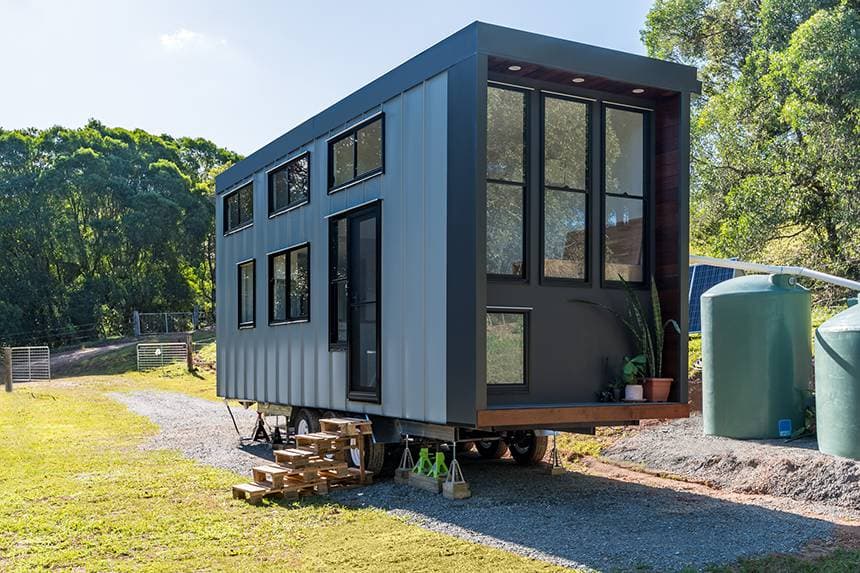
Gulfport cut a nonprofit carveout from its ADU draft, then moved the ordinance forward, putting backyard tiny homes closer to a real zoning path.

Gulfport’s latest accessory dwelling unit draft got tighter before it got farther. City Council unanimously approved Ordinance No. 2026-04 on first reading June 2, after removing a nonprofit-owned property exception, a change that narrows who gets special treatment as the city turns backyard tiny homes from a policy idea into zoning language.
The ordinance would create formal ADU rules in Gulfport’s zoning code, which matters because tiny-house advocates are usually looking for a legal path, not just a nice-sounding housing concept. In practical terms, the draft rules are expected to cover where an ADU can sit on a lot, how large it can be, what it can look like, where parking lands, how the unit can be used, who can occupy it, whether it can be approved administratively, and how short-term rental rules apply. For owners hoping to add a small backyard unit, that is the difference between a project that can be permitted and one that still runs into a zoning wall.
Gulfport’s current code still does not define ADUs as a distinct residential use. That means, right now, only properties zoned for multiple units can legally accommodate them unless the city updates both its Comprehensive Plan and its Land Development Code. The city’s review began on Dec. 2, 2025, when Forward Pinellas Executive Planner Linda Fisher laid out the issue for Council. Fisher said Gulfport already has 113 local properties carrying a county code often used for ADUs, and 91% of those properties were built before 1960. She also pointed to nearby Pinellas County cities that already allow ADUs, including St. Petersburg, Dunedin, Largo and Tarpon Springs.
The June 2 vote followed a more complicated move on May 19, when Council tabled the zoning ordinance but approved the companion comprehensive plan amendment, Ordinance No. 2026-05, on first reading by a 4-0 vote. Fisher said Gulfport could also exempt ADUs from units-per-acre density standards under the countywide plan, while the city’s current flexibility for garage apartments does not go far enough to build a real ADU framework. State pressure is rising too: the Florida Senate analysis for CS/CS/SB 48 says counties and cities would have to adopt ADU ordinances by Dec. 1, 2026, with the law taking effect July 1, 2026. It also directs OPPAGA to examine tiny homes and affordable housing.
For tiny-house readers, Gulfport is becoming a more usable model, but only if the city keeps translating its broad support into enforceable code. The nonprofit exception removal shows where leverage is shifting now, away from carveouts and toward a standard rulebook that can actually let backyard tiny living survive the next round of local scrutiny.
This article was produced by Prism’s automated news system from verified source data, official records, and press releases, then run through automated quality and moderation checks before publishing. The system is built and supervised by the people who set the standards it runs under. Read our full AI policy.
Know something we missed? Have a correction or additional information?
Submit a Tip