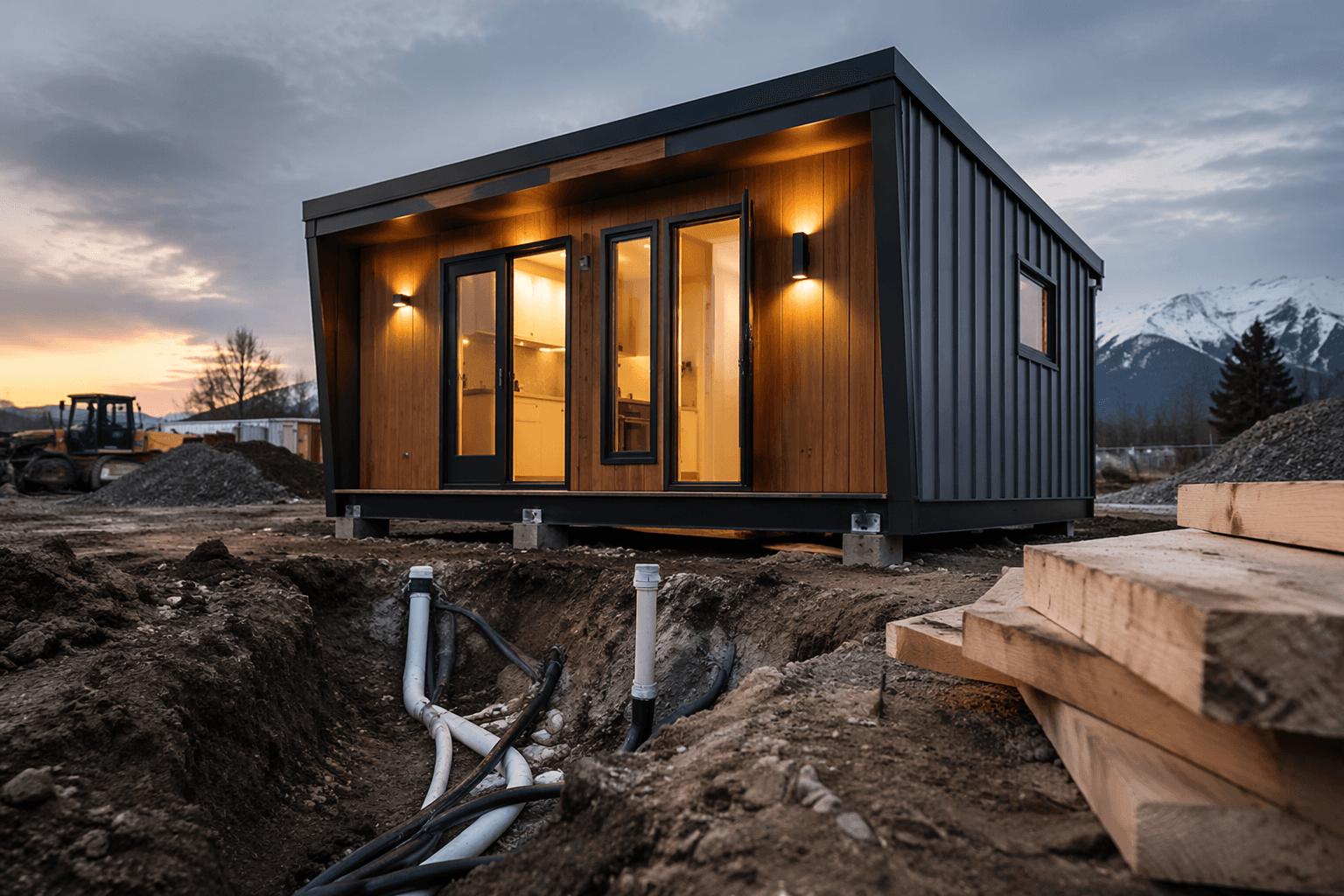
Intensive tiny-house certificate offers hands-on shell build and systems training
Yestermorrow's 20-class-day Tiny House Design/Build Certificate runs Jan 12–Feb 6 in Waitsfield, Vermont, giving pros and DIYers shop time, trailer integration and off-grid skills that translate to real projects.

Yestermorrow Design/Build School is running a concentrated Tiny House Design/Build Certificate program at its Waitsfield, Vermont campus that began Jan 12 and runs through Feb 6, 2026. The 20-class-day course pairs classroom instruction with shop work so participants leave with both design knowledge and practical carpentry experience.
The program is aimed at professionals moving into the tiny-house market and serious DIYers who plan to build a tiny house on wheels. Classes meet Monday through Friday from 9 a.m. to 5 p.m., and the syllabus covers space-efficient layout and joinery, trailer integration and load considerations, basic site-prep, and off-grid systems for power, water and waste. A core element is collaborative construction of a tiny-house shell, giving enrolled students hands-on practice with framing, envelope detailing and mechanical rough-in.
Tuition for the certificate is $5,000 with a $125 materials fee. Lodging and meal options are available for attendees who need on-campus or nearby accommodations. Expected takeaways include a drafting kit, textbooks and the practical carpentry experience that makes the classroom lessons useful on an actual jobsite or personal build.
For builders focused on tiny-house on wheels projects, the program’s emphasis on trailer integration and site-prep is especially valuable. Lessons on tongue weight, trailer attachment points and how to translate a floor plan to a mobile platform help bridge the gap between conceptual design and a roadworthy structure. For people who want to go off-grid, sessions on solar, battery systems and graywater strategies provide foundational knowledge needed to size systems and avoid common mistakes that turn up during commissioning.
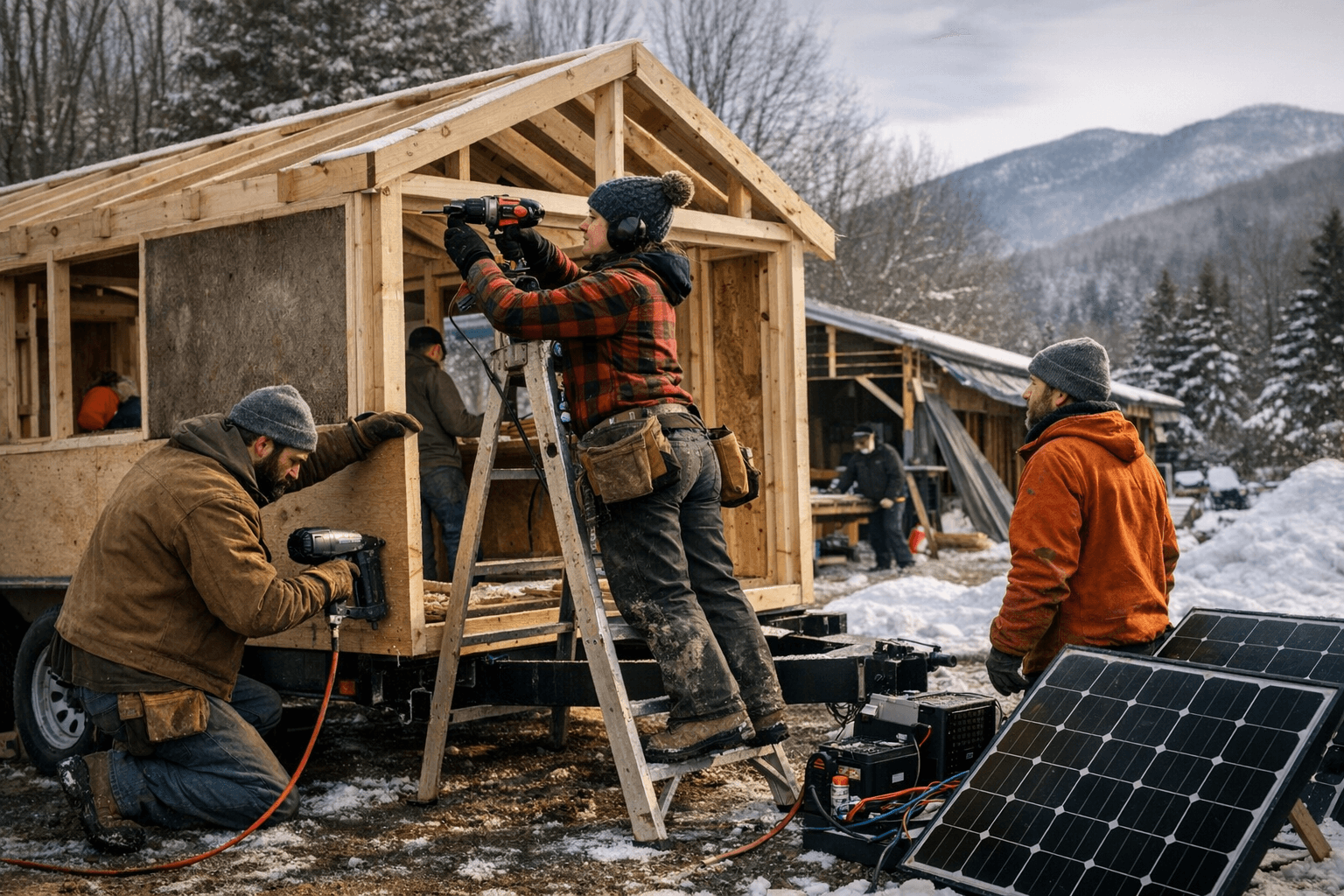
The course also functions as a peer and networking environment. Collaborative build days are a chance to swap techniques, compare tool setups and learn time-saving shop workflows. Alumni reviews and a published schedule and instructor list accompany the program, offering prospective students information they can use when deciding whether to commit to a month of intensive training.
The takeaway? Our two cents? If you want a classroom-plus-shop boot camp that actually gets you into a tiny shell and into systems work, this course gives practical, repeatable skills. Bring your safety gear, an appetite for hands-on time and a list of local code and towing questions to answer when you get home. Measure twice, cut once, and use this period to shore up the knowledge that makes small-square-footage builds succeed.
This article was produced by Prism’s automated news system from verified source data, official records, and press releases, then run through automated quality and moderation checks before publishing. The system is built and supervised by the people who set the standards it runs under. Read our full AI policy.
Did this article answer your question?