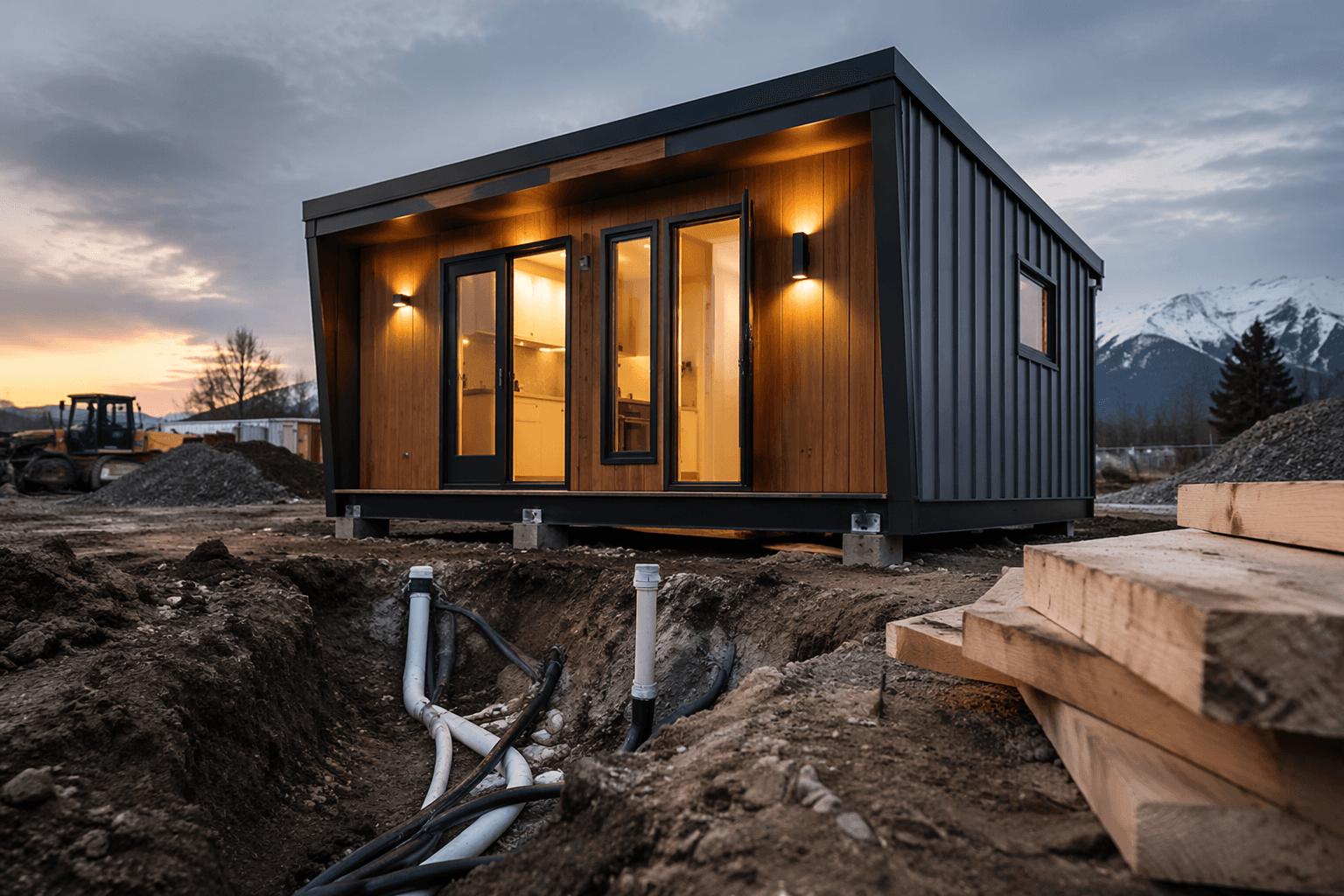
Iowa Law Requires Cities to Allow ADUs on Single-Family Lots Starting 2026
SF 2369 outlaws blanket ADU bans in Iowa starting July 1, requiring every city to allow at least one ADU per single-family lot.

Blanket municipal bans on accessory dwelling units are now off the table in Iowa. Senate File 2369 was enrolled on April 9, standardizing how counties and cities may regulate ADUs statewide and requiring every jurisdiction that permits single-family housing to also permit at least one ADU per lot. Local governments have until July 1, 2026, to bring their zoning ordinances into compliance.
The law does more than open a door. SF 2369 establishes a statutory baseline for ADU permitting across Iowa, which means cities that previously used zoning code to quietly prohibit backyard cottages, garage apartments, and tiny-home ADUs can no longer do so by ordinance. The bill also clarifies how "size" is calculated for an ADU, specifying that non-heated spaces are excluded from that measurement, a detail that matters considerably for builders navigating square footage thresholds.
For tiny-home advocates, this resolves one of the most persistent friction points in the Iowa market: legal uncertainty about whether a municipality could simply say no. That uncertainty has historically made it difficult for homeowners, builders, and lenders to commit to ADU projects. Under SF 2369, that floor now exists in statute.
Cities retain meaningful discretion. The law preserves local authority to impose reasonable development standards, so expect municipalities to continue regulating setbacks, height limits, and design compatibility. What they cannot do is prohibit ADUs wholesale in zones where single-family homes are permitted.
The July 1 deadline is tighter than it sounds. Iowa's municipalities now have fewer than three months to audit their zoning codes, revise permit checklists, and update administrative procedures. Homeowners and builders eyeing ADU projects should contact local planning offices now to understand what the transition timeline looks like in their specific jurisdiction and whether pre-approved plan programs are in development.
Iowa's move aligns it with a growing cohort of states that have used ADU legislation as a housing supply lever, stripping local governments of blanket prohibition authority in zones where single-family housing is allowed. For ADU manufacturers and modular builders, SF 2369 represents an expanded addressable market that did not exist before April 9.
From a financing standpoint, the clearer legal status created by SF 2369 should begin opening pathways that were previously difficult: lenders and insurers who balked at ADU projects in jurisdictions with ambiguous rules now have a statutory guarantee of baseline permissibility to work from. How quickly Iowa's cities move to adopt conforming ordinances will determine how soon that statutory permission translates into permitted projects in the ground.
This article was produced by Prism’s automated news system from verified source data, official records, and press releases, then run through automated quality and moderation checks before publishing. The system is built and supervised by the people who set the standards it runs under. Read our full AI policy.
Did this article answer your question?