PATH and One City Peterborough Unite to Advance Supportive Tiny Rental Homes
After failed sleeping cabin permit bids, PATH joined One City Peterborough to pilot supportive micro-rental units on a backyard site for people experiencing housing insecurity.

After a string of unsuccessful temporary use permit requests for sleeping cabins, Peterborough Action for Tiny Homes (PATH) announced a formal partnership with One City Peterborough on April 8 to advance a cluster of supportive micro-rental units on an existing backyard site in the city.
The collaboration marks a deliberate strategic pivot. PATH's earlier push to establish temporary sleeping cabins ran into approval obstacles that exposed a pressure point familiar to tiny home advocates everywhere: community-driven organizations can generate the energy and volunteer capacity to build, but routinely lack the administrative infrastructure to navigate complex zoning requirements, funding applications, and compliance frameworks. Partnering with One City Peterborough, an established local housing nonprofit, gives PATH direct access to exactly that infrastructure, along with site control and fundraising channels the campaign previously lacked.
The pilot project targets people experiencing housing insecurity, pairing small rental units with wraparound supportive services. Using an existing backyard site as the proving ground, the partners plan to install a cluster of micro-units and track resident outcomes carefully, building a data set around housing stability, health improvements, and job placement. That evidence base is not incidental; it is engineered from the outset to justify scaling the project beyond its initial footprint.
The funding approach reflects the same pragmatism. PATH and One City Peterborough are pursuing a mixed strategy combining grants with local subsidies, a structure that distributes financial risk and reduces the political exposure that can derail early-stage tiny home projects before a single unit is occupied.
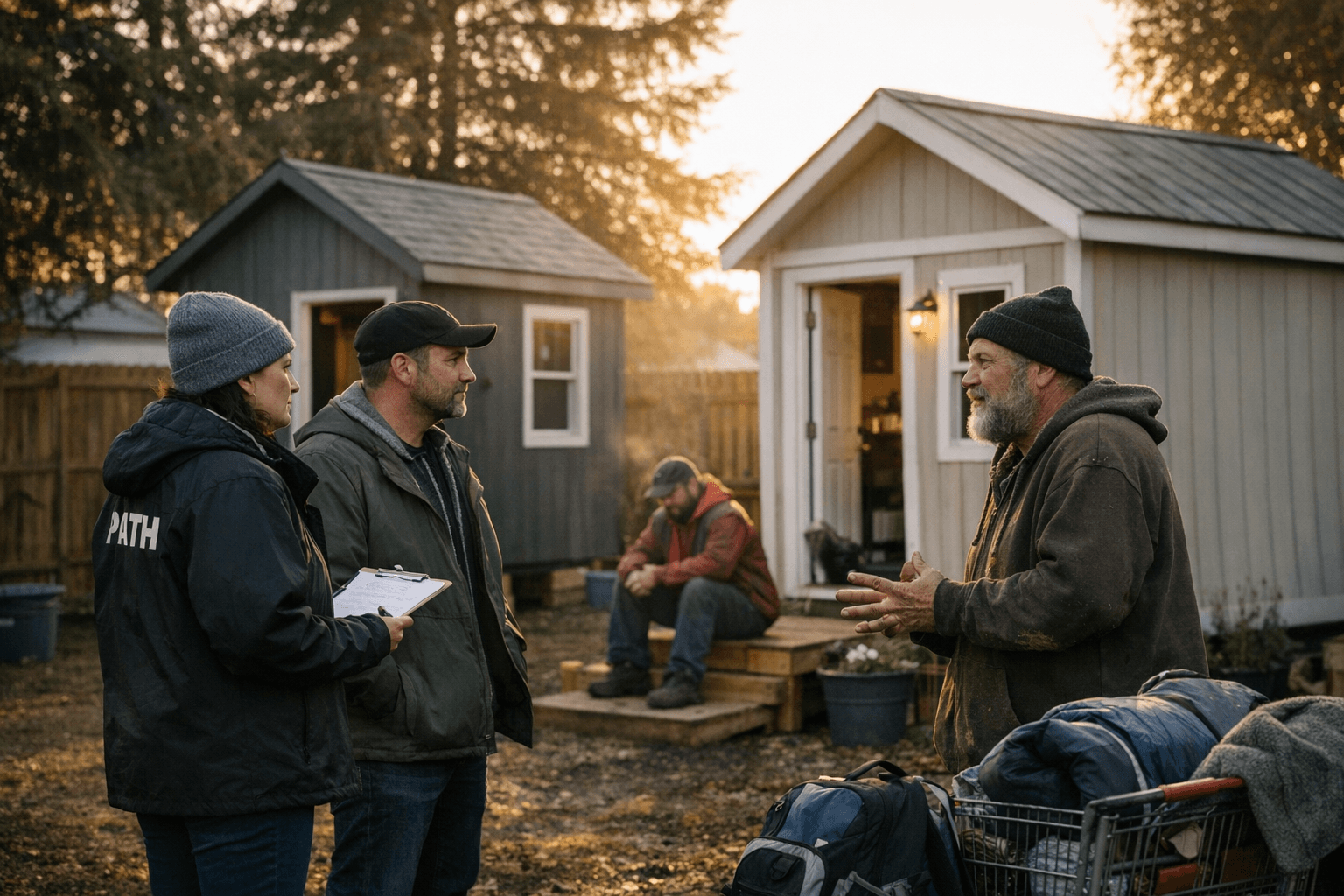
For tiny home organizers watching from other municipalities, the Peterborough model offers something concrete: identify a partner with an established permitting and funding track record before breaking ground, design the pilot at a scale that allows genuine community engagement, and build the data collection framework in from day one. Regulatory fluency and institutional credibility are the bottleneck far more often than construction capacity.
The Peterborough partnership will not resolve the city's housing pressures in a single backyard. But it moves a community-led tiny home effort from concept into a zoning-compliant, fundable, and measurable project, which is further than most similar campaigns manage to get.
This article was produced by Prism’s automated news system from verified source data, official records, and press releases, then run through automated quality and moderation checks before publishing. The system is built and supervised by the people who set the standards it runs under. Read our full AI policy.
Did this article answer your question?