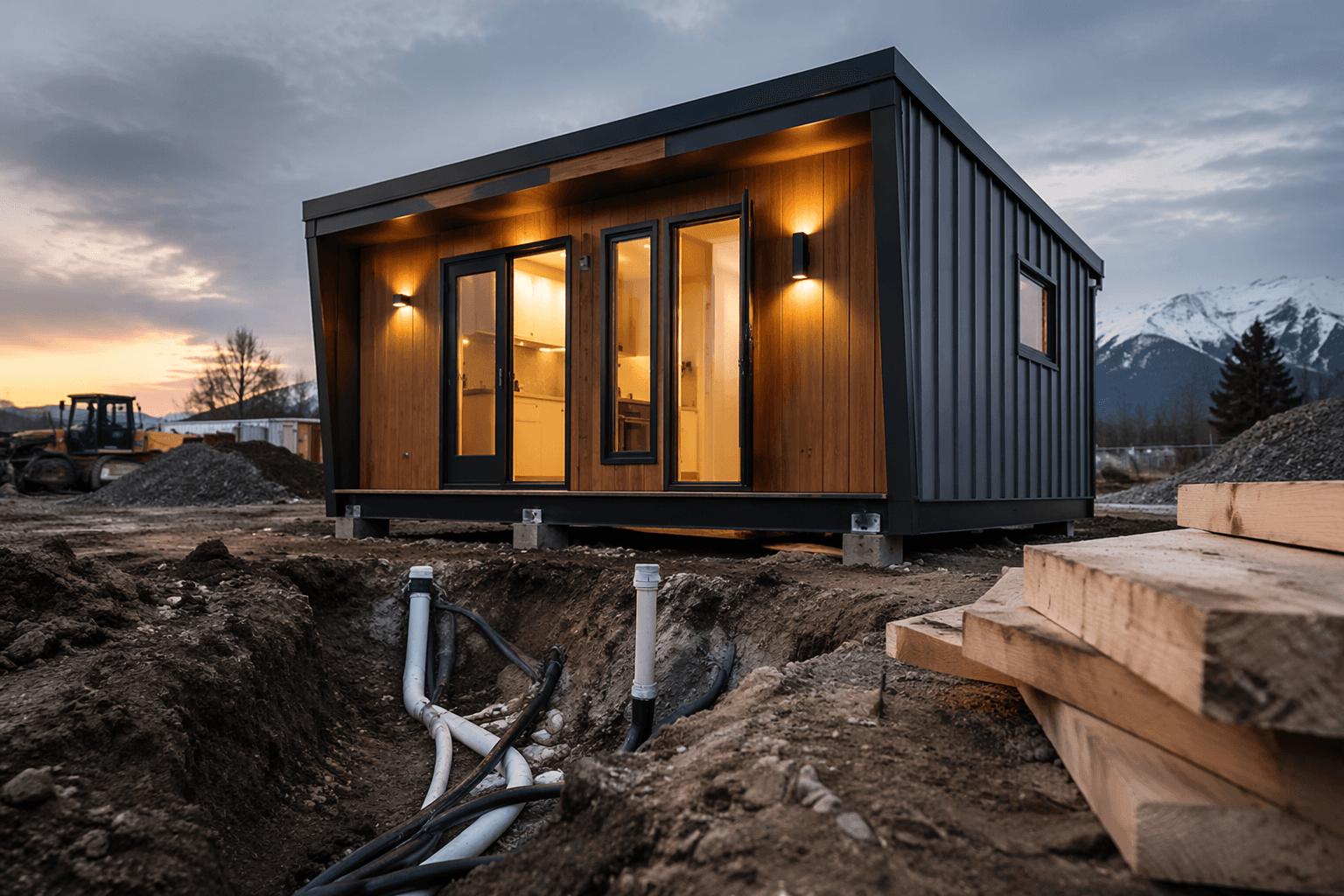
Japan Ends Minimum Home Size Rules as Tiny Houses Surge
Japan scrapped its minimum home-size benchmark, opening the door to even smaller houses as high prices and changing households reshape what counts as normal housing.
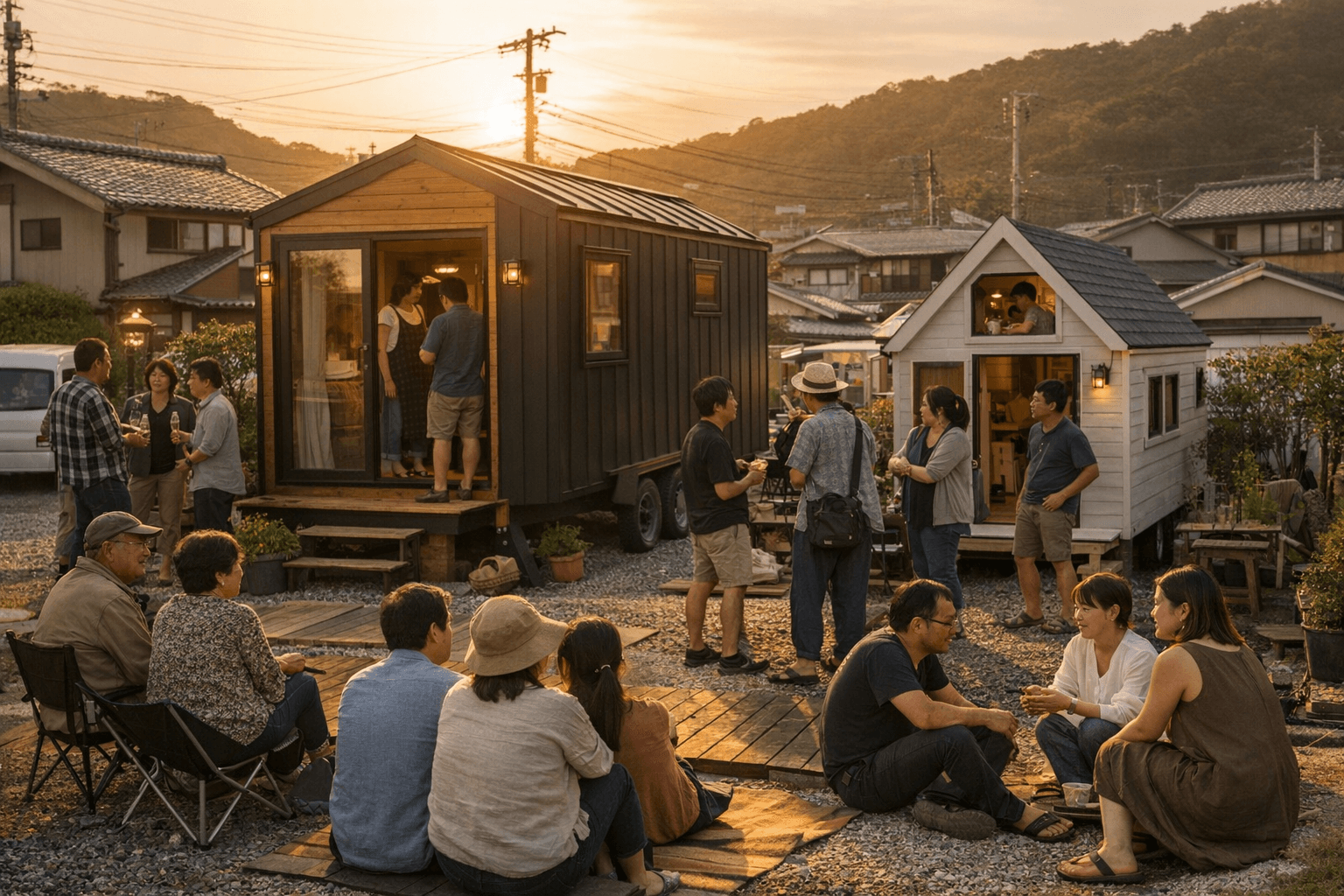
Japan just took a hard turn away from a housing rule that had hung around for decades. The Ministry of Land, Infrastructure, Transport and Tourism approved a new national housing plan on March 27, 2026, and with it dropped the minimum residential floor-area guidelines that had long defined the floor for acceptable housing. NHK reported that the shift means even smaller homes can now count as meeting housing needs.
That is a big deal in a country where tiny living was already creeping into the mainstream, especially in dense places like Tokyo. Rising real-estate prices have pushed more buyers and renters toward compact homes, and the policy change gives that market official cover. Instead of treating smaller footprints as a compromise, Japan is now signaling that ultra-small homes may be part of the answer, not just a stopgap.
The old benchmark was familiar to anyone who has followed Japanese housing policy: 25 square meters for one person, 30 for two, 40 for three, and 50 for four. The planning materials also carried higher inducement targets for more comfortable living, including 55 square meters for a one-person urban household and 65 square meters for two people. Those numbers were never just abstract targets. They shaped what planners, builders and lenders treated as normal, and they gave the market a clear line between acceptable and too small.
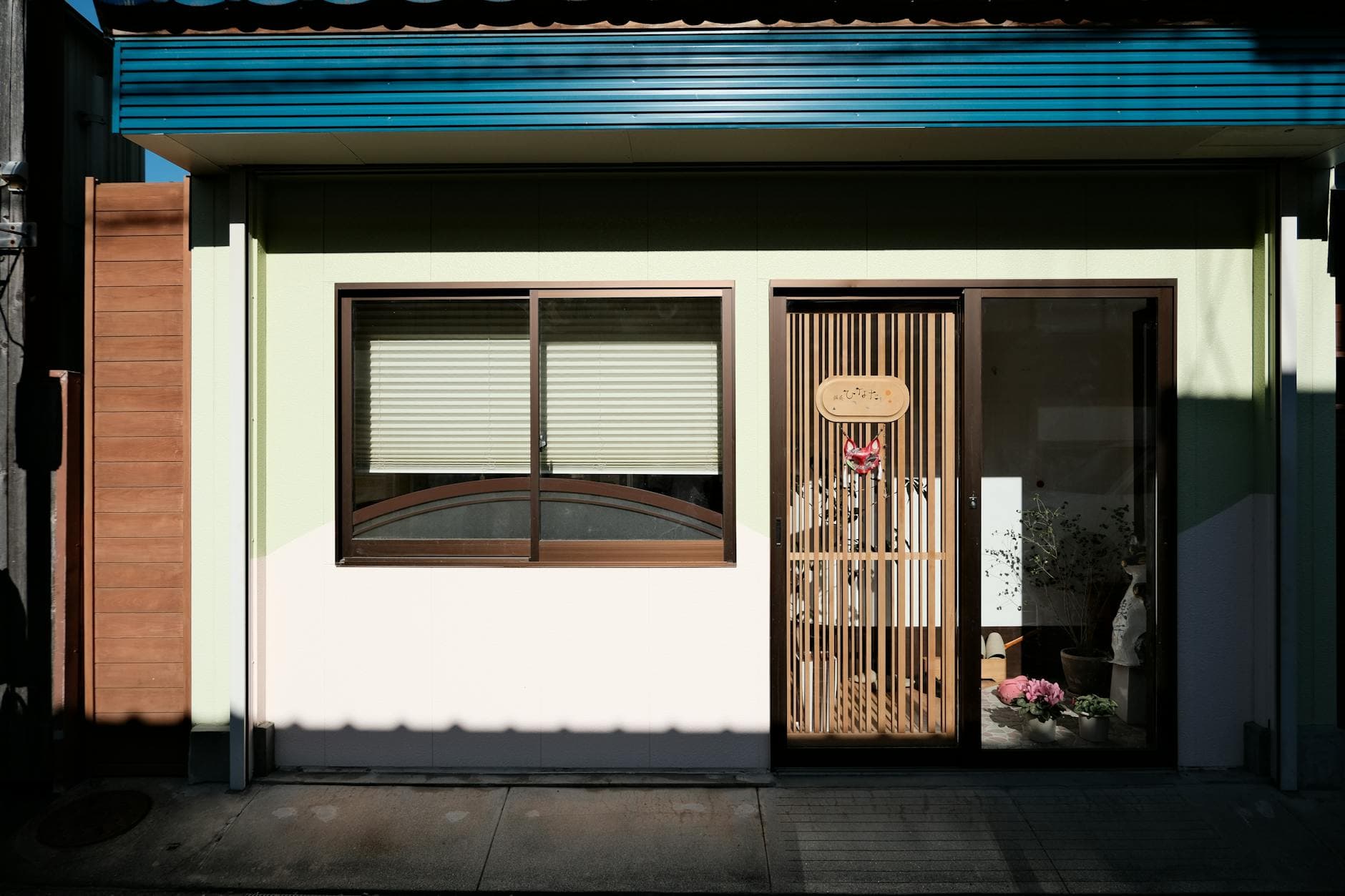
The new housing plan covers fiscal 2026 through fiscal 2035, and the ministry framed the change around a Japan that is getting older, smaller and harder to house in the old way. The plan points to a continuing population decline, more single-person elderly households and fewer total households over time. It also says the country will need to make more effective use of existing housing stock, including older homes that can be repurposed instead of replaced.
That broader shift matters because Japan’s Building Standards Act, first enacted in 1950, still exists to protect life, health and property by setting minimum standards for buildings. The tension is obvious: one part of the system still draws a bright line around safety, while housing policy is loosening the old assumptions about how much space people need. For tiny-house builders, that creates a far more permissive backdrop. For high-cost markets watching Japan, it may also set a precedent that smaller homes are no longer a fringe bet, but a policy tool.
This article was produced by Prism’s automated news system from verified source data, official records, and press releases, then run through automated quality and moderation checks before publishing. The system is built and supervised by the people who set the standards it runs under. Read our full AI policy.
Did this article answer your question?