Jay Shafer's 89-square-foot tiny house helped launch the movement
Jay Shafer’s 89-square-foot house made tiny living legible: compact, crafted, and radically deliberate. Its ideas still shape modern builds, even as codes have moved on.
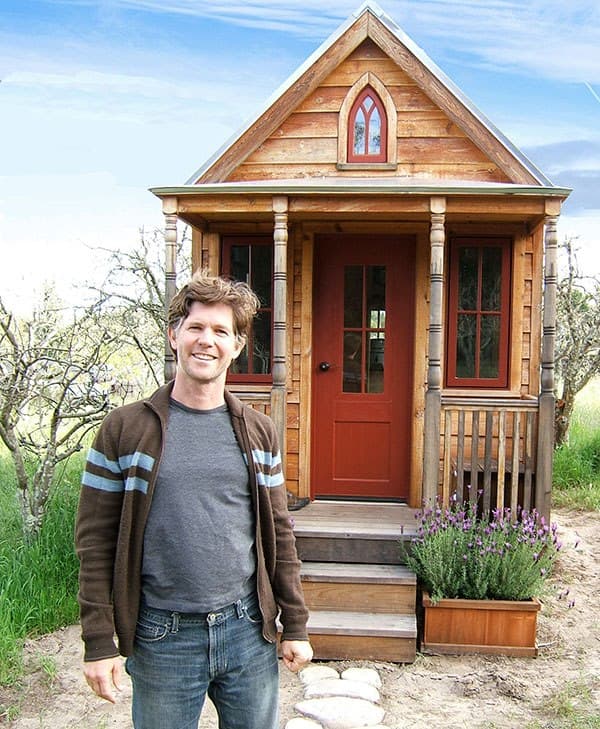
Jay Shafer did not launch a movement with a slogan. He did it with an 89-square-foot house on wheels that made tiny living impossible to ignore. The number is the point: small enough to feel audacious, but complete enough to raise the question that still drives the scene today, what really has to fit inside a home?
The prototype that gave tiny houses a reference point
Shafer’s early work matters because it turned a loose idea into a visible object. He has been building and inhabiting tiny houses since 1997, and WIRED described his first one as a miniature country chapel with weathered wood, a high-pitched roof, and tall crimson-trimmed windows. That image tells you a lot about the project Shafer was pursuing from the start: this was never just about shrinking a floor plan, but about making a small home feel intentional, recognizable, and cared for.
By 1999, the original Tumbleweed tiny house had been built, and Tumbleweed Houses says that first Tumbleweed was mounted to a trailer that year. That trailer choice helped define the form factor many people now picture when they hear “tiny house.” Mobility, visual identity, and a compact footprint became part of the same package, which is why Shafer’s early build is so often treated as a starting line rather than just an oddity.
How the design language was set
Shafer’s work with Tumbleweed Tiny House Company helped establish the visual and philosophical language of the movement. The emphasis was on high craft, obvious efficiency, and a clear rejection of excess, not on downsizing for its own sake. That distinction still matters because the strongest tiny houses today are not simply smaller versions of standard homes. They are designed to make every inch carry weight, with storage, access, and daily function all folded into the plan.
The early prototype also showed how much tiny-house appeal comes from shape and finish, not just square footage. A house with weathered wood, a pronounced roofline, and carefully framed windows reads differently from a bare utility box. Shafer’s earliest builds gave the community a model for how compact living could still have character, warmth, and craft.
Why Shafer became more than a builder
LifeEdited describes Shafer as one of the people most closely associated with small living and frames him as someone who practically invented what is now known as the tiny house. That reputation rests on more than size. Shafer was asking the kind of questions that still define the category: how small can a home be and still feel livable, what is essential in a house, and how do you design for function without losing warmth or character?
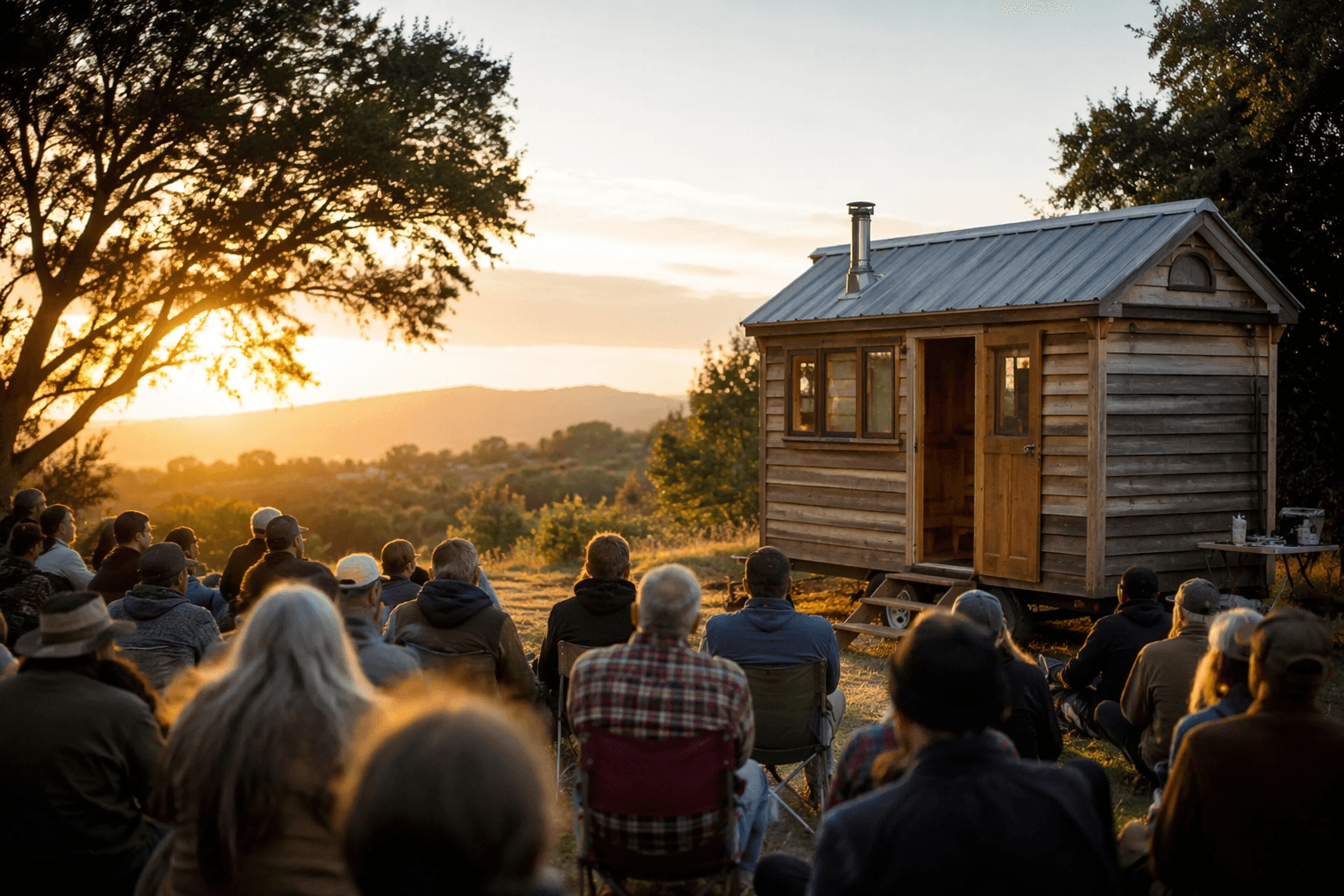
He also linked tiny houses to larger social questions. A TEDxSonomaCounty video description says Shafer explains how superior design and social justice can be connected to tiny houses, and he has spoken publicly about tiny-house regulations, even describing tiny houses as civil disobedience. That framing puts the movement in a different light. Tiny houses are not only a design exercise, but also a challenge to rules that decide where small, movable homes can sit and who gets access to them.
What still holds up in today’s tiny houses
Shafer’s influence is still visible in the choices people make when they build or buy tiny. The core ideas that endure are the ones tied to livability:
- Efficient use of every corner, from sleeping lofts to storage that disappears into walls and benches
- Trailers as a practical base for portability and siting flexibility
- A handcrafted look that makes the home feel like a real dwelling, not a shed scaled up for comfort
- A strong edit on essentials, which keeps the layout focused on daily use rather than excess
Those ideas remain central because they solve real problems for modern owners. Tiny-house buyers still want movement, affordability, and a space that feels personal rather than disposable. Shafer’s prototype helped prove that a small footprint could still support those goals if the design was disciplined enough.
What modern tiny-house living has outgrown
The places where the movement has changed are just as important. Shafer’s early builds were proof-of-concept houses, and the community has since had to reckon with modern codes, sturdier trailer requirements, and the needs of people living in tiny houses full time. A house can be visually brilliant and still fall short if it cannot handle long-term occupancy, storage for everyday life, or the systems people now expect from a permanent home.
That tension is why the original 89-square-foot house still matters. It was radical because it asked for less, but it also exposed the limits of pure minimalism. Today’s tiny houses often need to do more than inspire, they need to function as year-round homes, fit legal siting rules, and support lives that are more complex than a weekend experiment.
Shafer’s early 89-square-foot build endures because it was small in a way that was easy to understand and hard to dismiss. The movement that grew around it still carries his craft-first, purpose-first DNA, even as the community has pushed beyond the prototype’s most extreme limits.
This article was produced by Prism’s automated news system from verified source data, official records, and press releases, then run through automated quality and moderation checks before publishing. The system is built and supervised by the people who set the standards it runs under. Read our full AI policy.
Did this article answer your question?