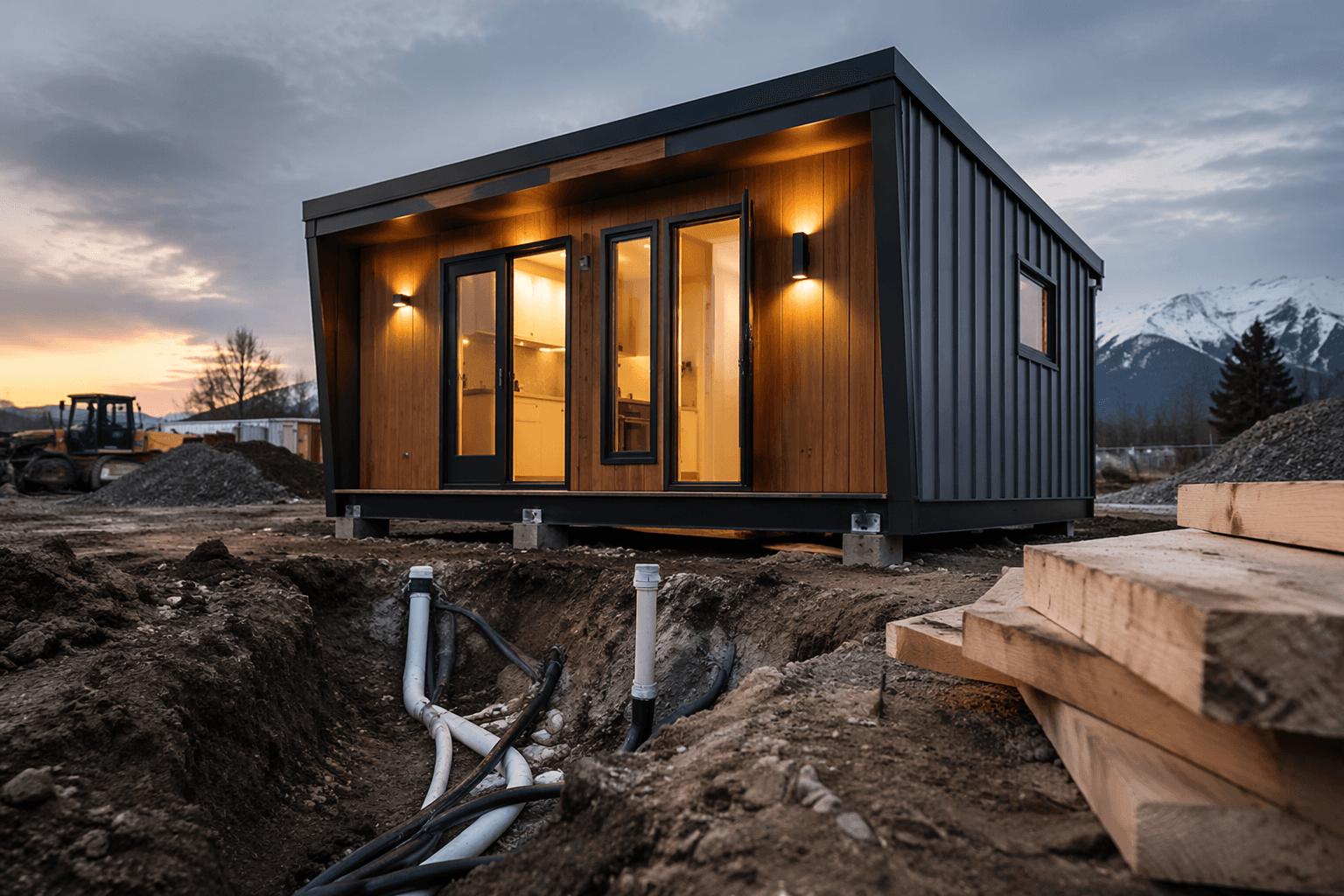
Maine Lawmakers Unanimously Advance Bill to Expand ADUs and Boost Housing Density
Maine's housing committee unanimously advanced LD 2173, an emergency ADU bill requiring two-thirds approval in both chambers before parts of last year's law take effect in July.
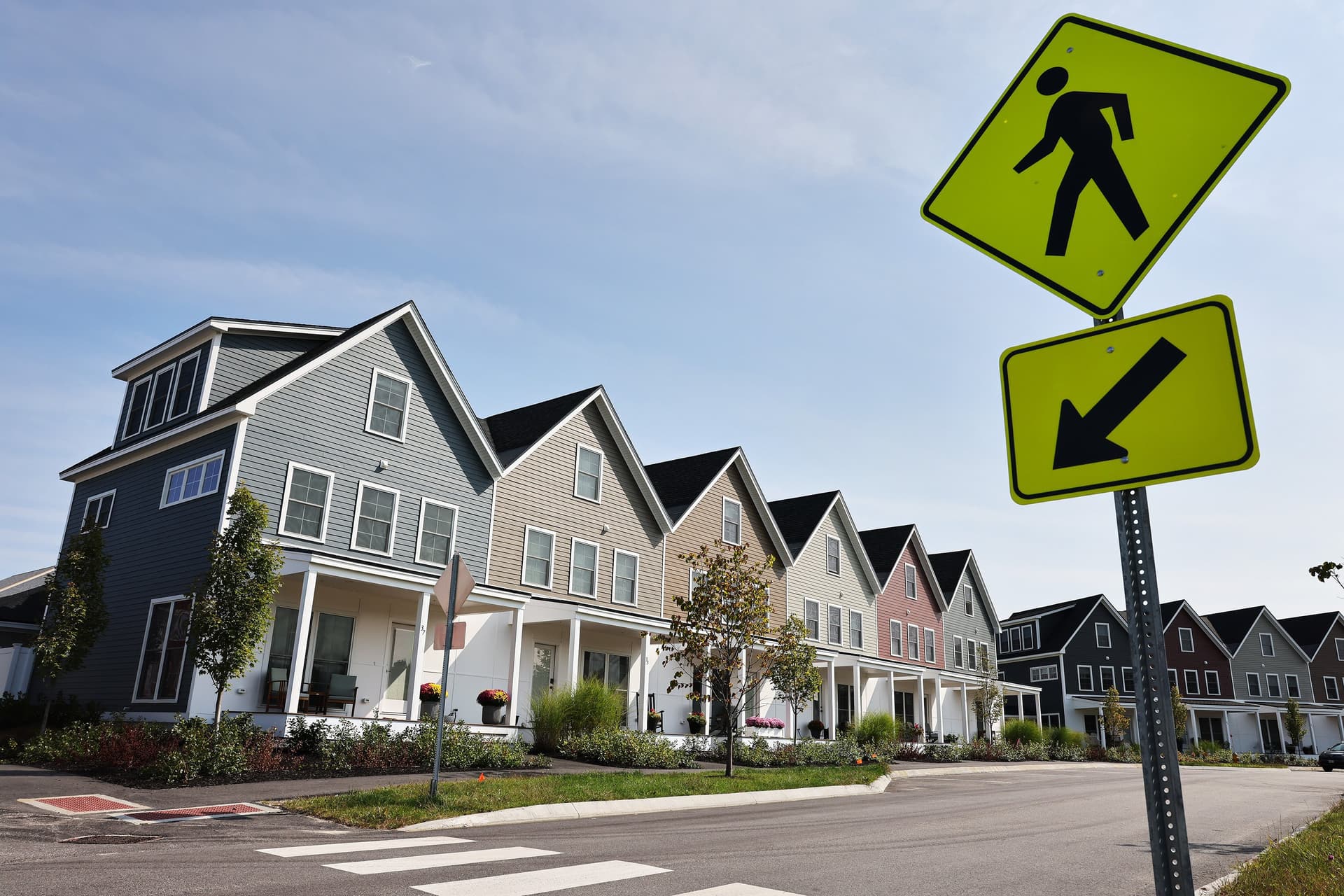
Maine's Housing and Economic Development Committee voted unanimously on March 20 to advance LD 2173 to the full Legislature, the third housing density bill the state has pushed through in four years and the latest attempt to untangle a growing stack of zoning reforms that some municipalities say went too far.
The bill, sponsored by Rep. Amanda Collamore, a Republican from Pittsfield, extends the implementation deadline by a year for some communities, reintroduces rate-of-growth ordinances that were stripped out in the last session, and doubles the lot-size minimums that municipalities can require in certain parts of town. It also explicitly supports ADUs, duplexes, and small multifamily homes as core tools for expanding Maine's housing supply without relying on public dollars.
"There will never be enough public dollars to subsidize the full amount of housing Maine needs to meet its goals," Collamore said in testimony introducing the bill. "Most of our housing must be created without subsidy. That means we need laws that allow housing to be built in practical, small-scale ways."
For anyone tracking the ADU reform arc in Maine, LD 2173 reads as a deliberate recalibration. The previous session's bill drew complaints from several communities who argued it stripped too much of their control over local growth. This measure tries to split the difference, offering those towns more runway and restored tools like rate-of-growth ordinances while keeping the broader push toward density intact.
Collamore framed individual property owners, not developers or subsidy programs, as the engine the state needs to actually move the needle. "These changes rebalance how housing gets built in Maine," she said. "They support accessory dwelling units, duplexes and small multifamily homes, and they recognize that individual property owners who want to build on their own land are a major part of the solution."
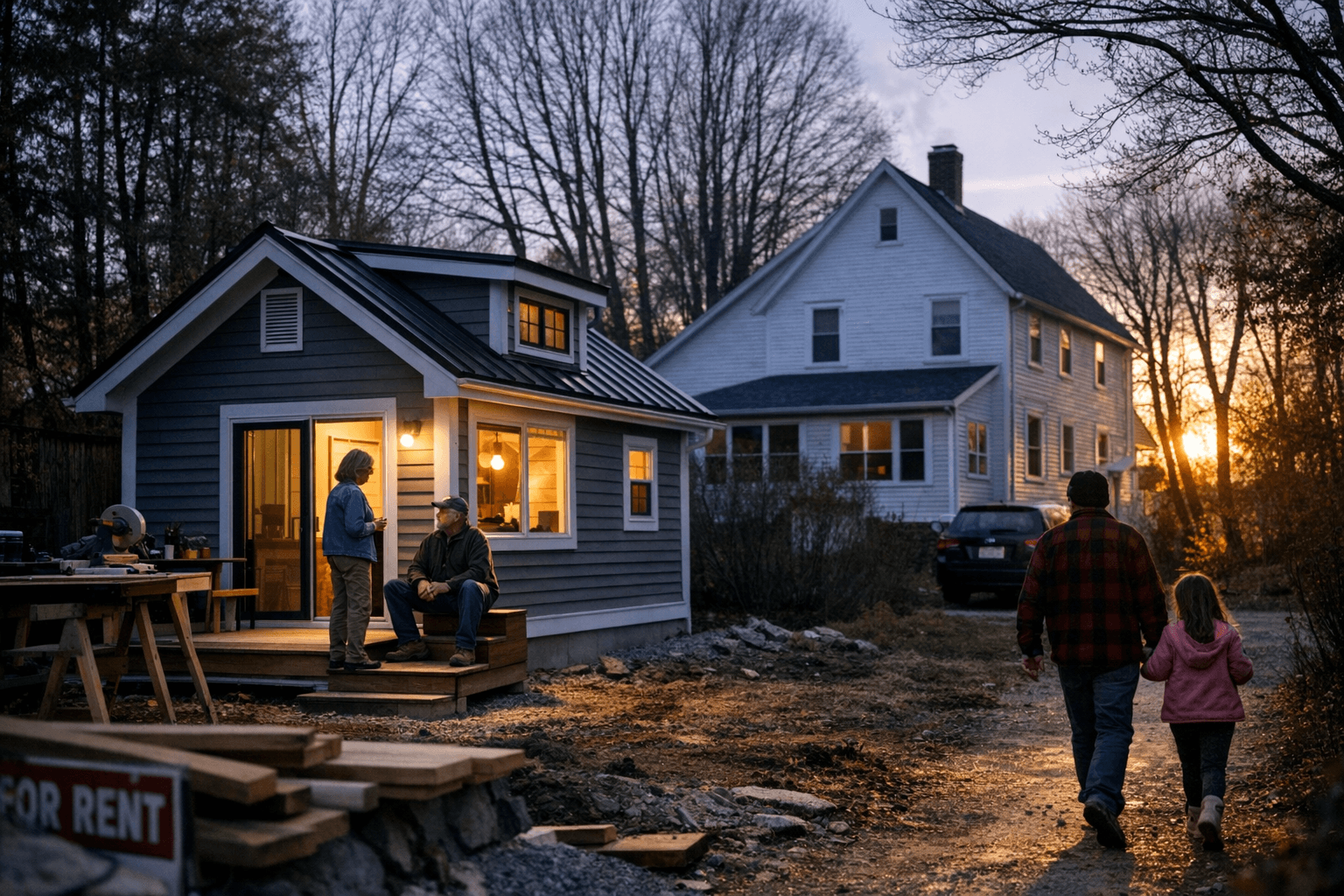
The Governor's Office sent Greg Payne, Senior Advisor on Housing Policy, to testify in support on February 10. Payne tied LD 2173 directly to two earlier reform laws, L.D. 2003 from the 130th Legislature and L.D. 1829 from last session, calling them "critical to addressing the local codes that, for too long, unnecessarily restricted the creation of the homes that Maine people need and our economy requires." He also flagged that the State Fire Marshal's Office has outstanding recommendations on certain provisions, with the administration planning to work through those concerns with committee members.
The emergency designation is what gives LD 2173 its urgency. Because portions of last year's bill are scheduled to take effect in July, Collamore filed this one as an emergency measure, which means it cannot pass on a simple majority. It needs two-thirds approval from both the Maine House and Senate to go into effect immediately upon enactment. That threshold will test how much genuine bipartisan buy-in the bill has built, and whether the compromises on municipal control are enough to bring skeptical lawmakers along.
What remains unresolved heading into the full chamber votes: exactly which communities qualify for the one-year deadline extension, the specific acreage or square-footage figures behind the doubled lot-size minimums, and the precise statutory language of the reintroduced rate-of-growth ordinances. Those details will matter enormously to municipalities trying to plan their zoning calendars before July arrives.
This article was produced by Prism’s automated news system from verified source data, official records, and press releases, then run through automated quality and moderation checks before publishing. The system is built and supervised by the people who set the standards it runs under. Read our full AI policy.
Did this article answer your question?